
Last updated October 16, 2026
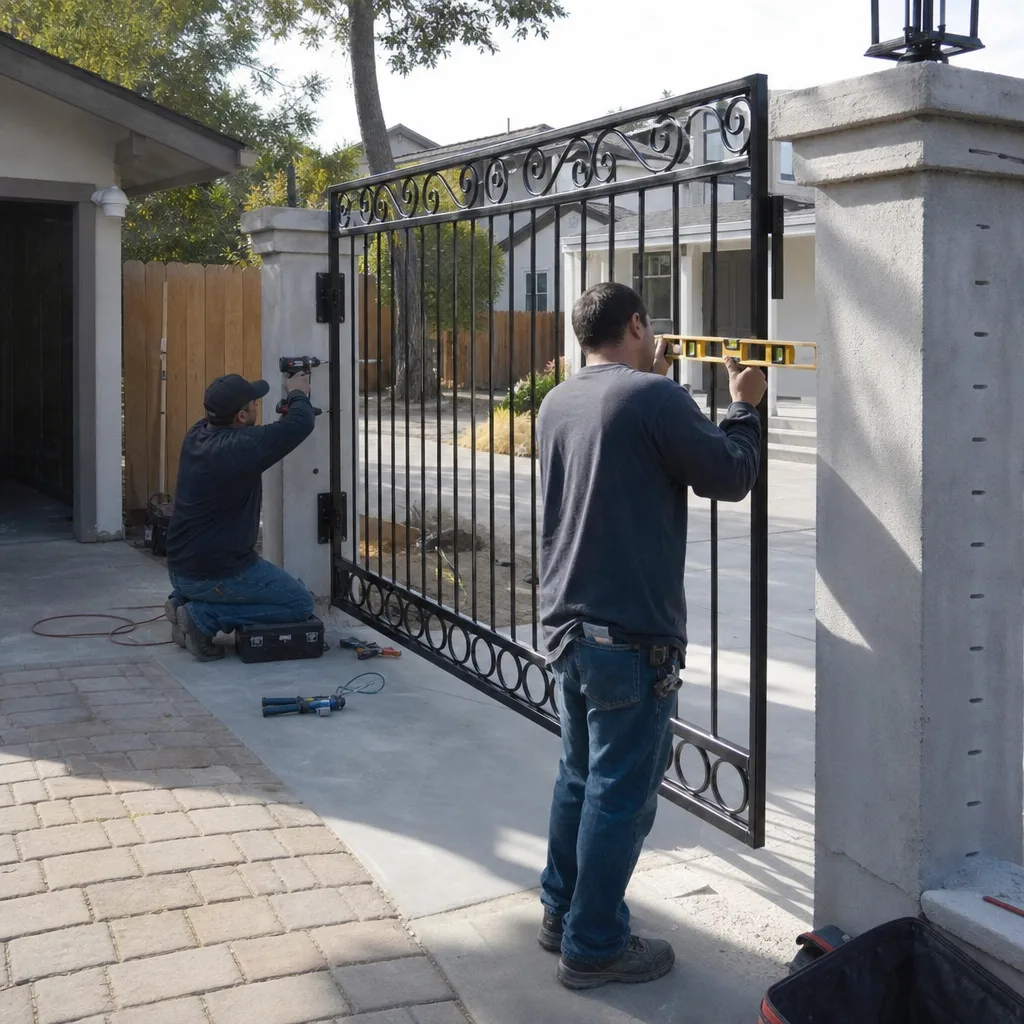
 Wrought iron
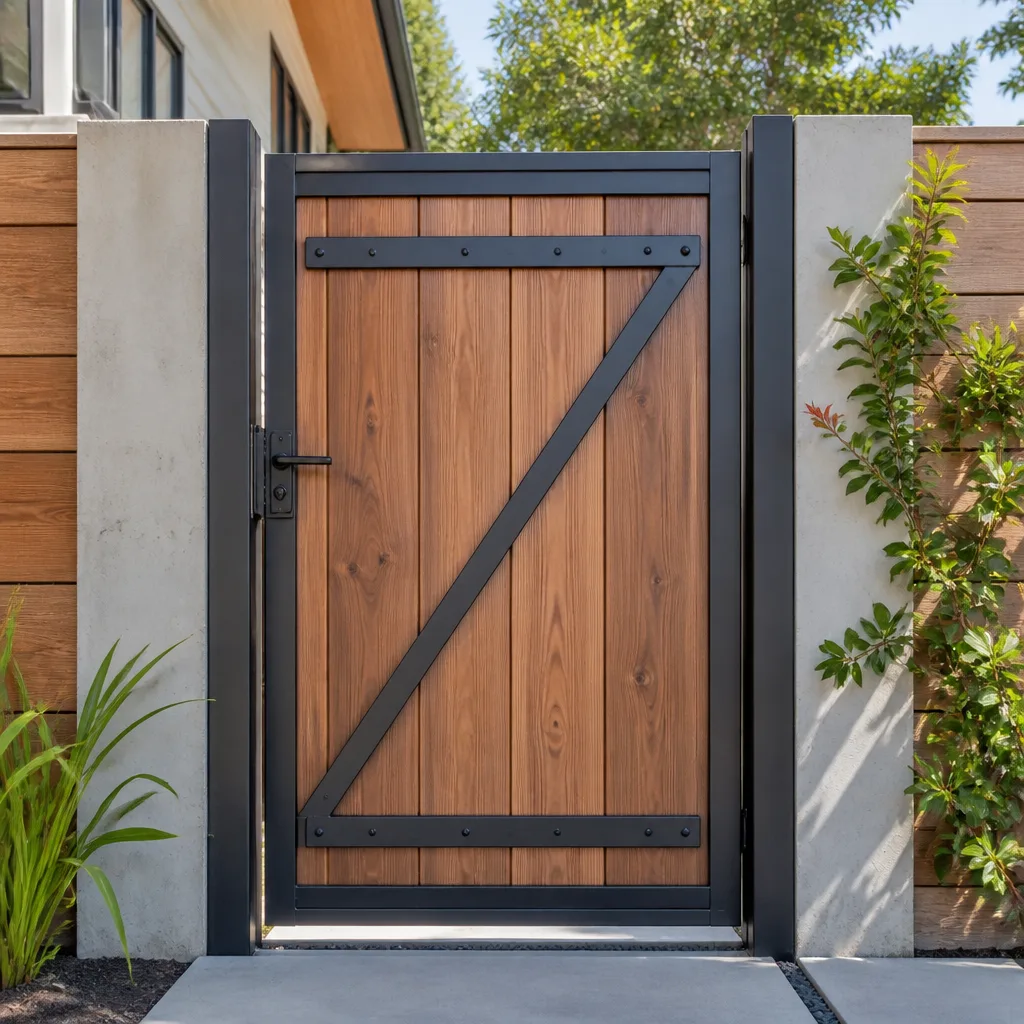 Wood & steel frame
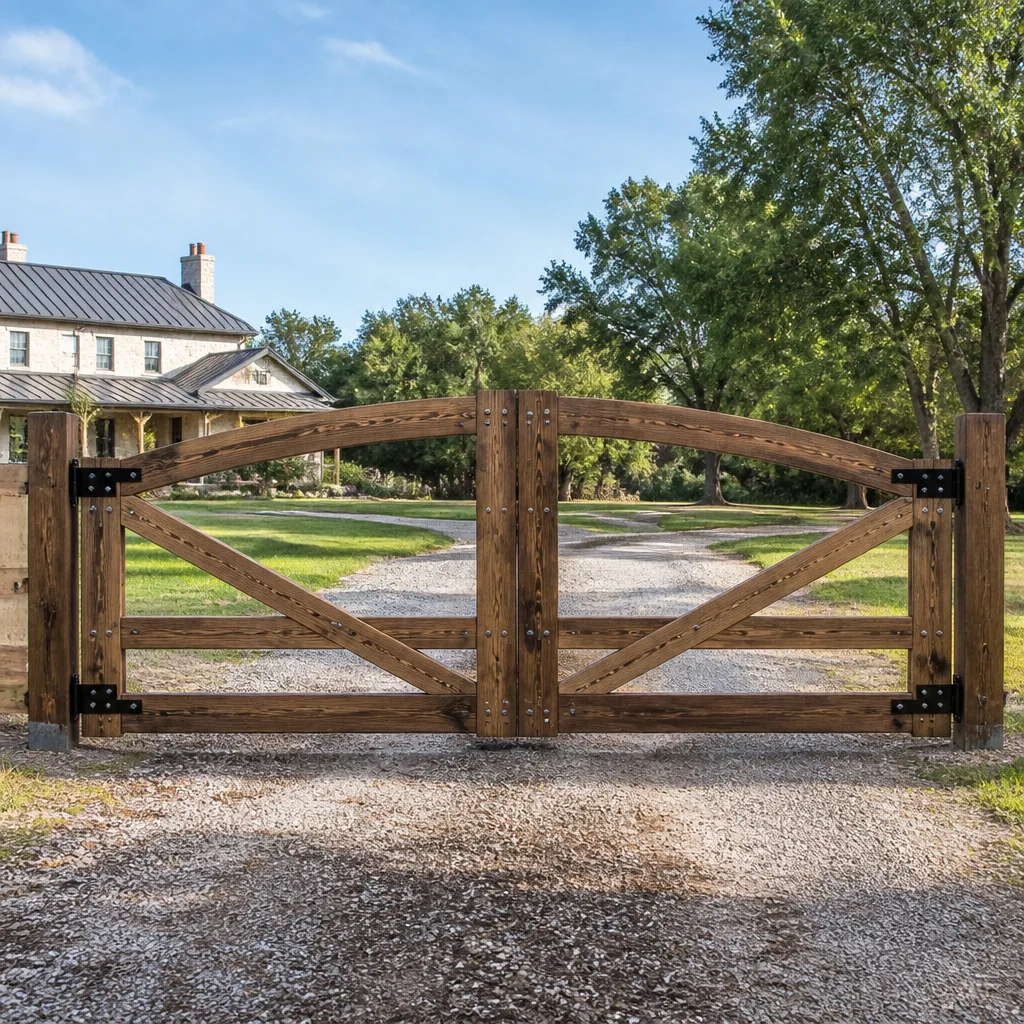 Farm & ranch
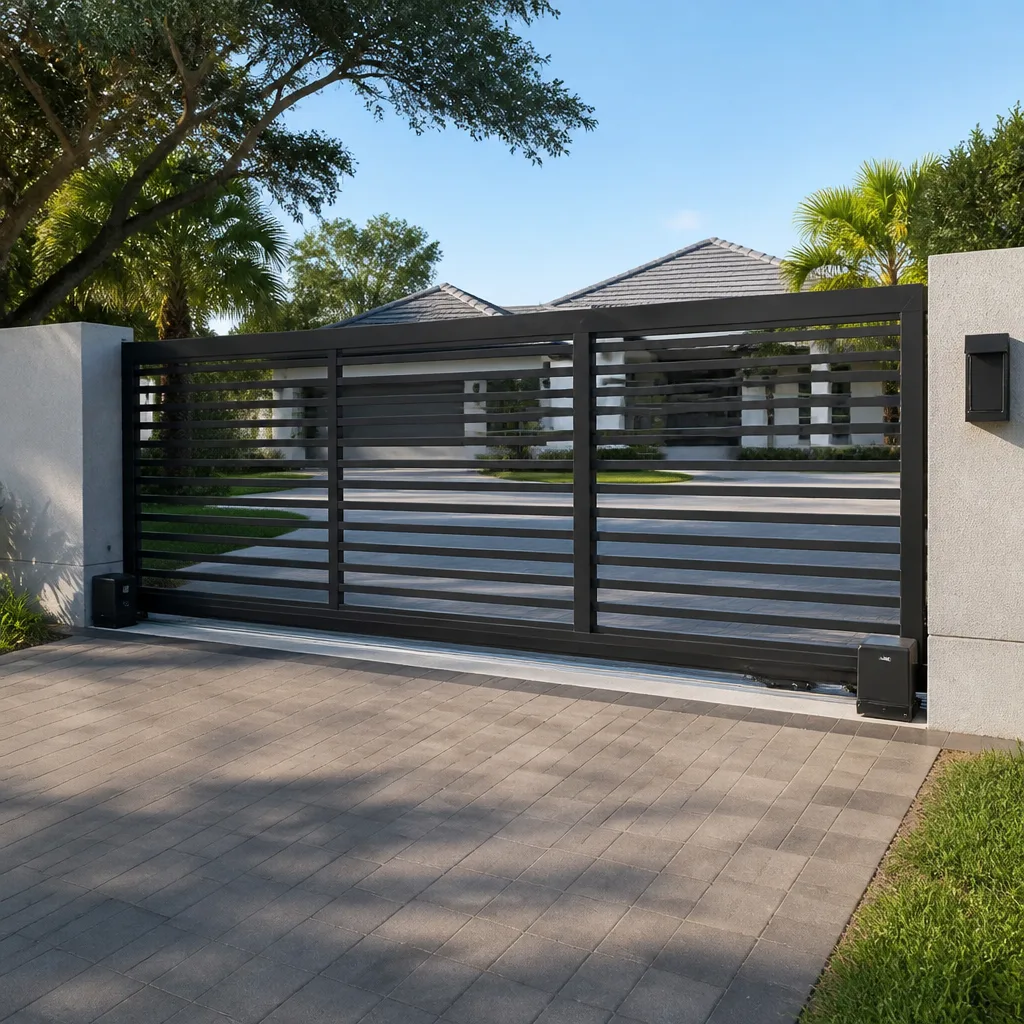 Sliding driveway gates
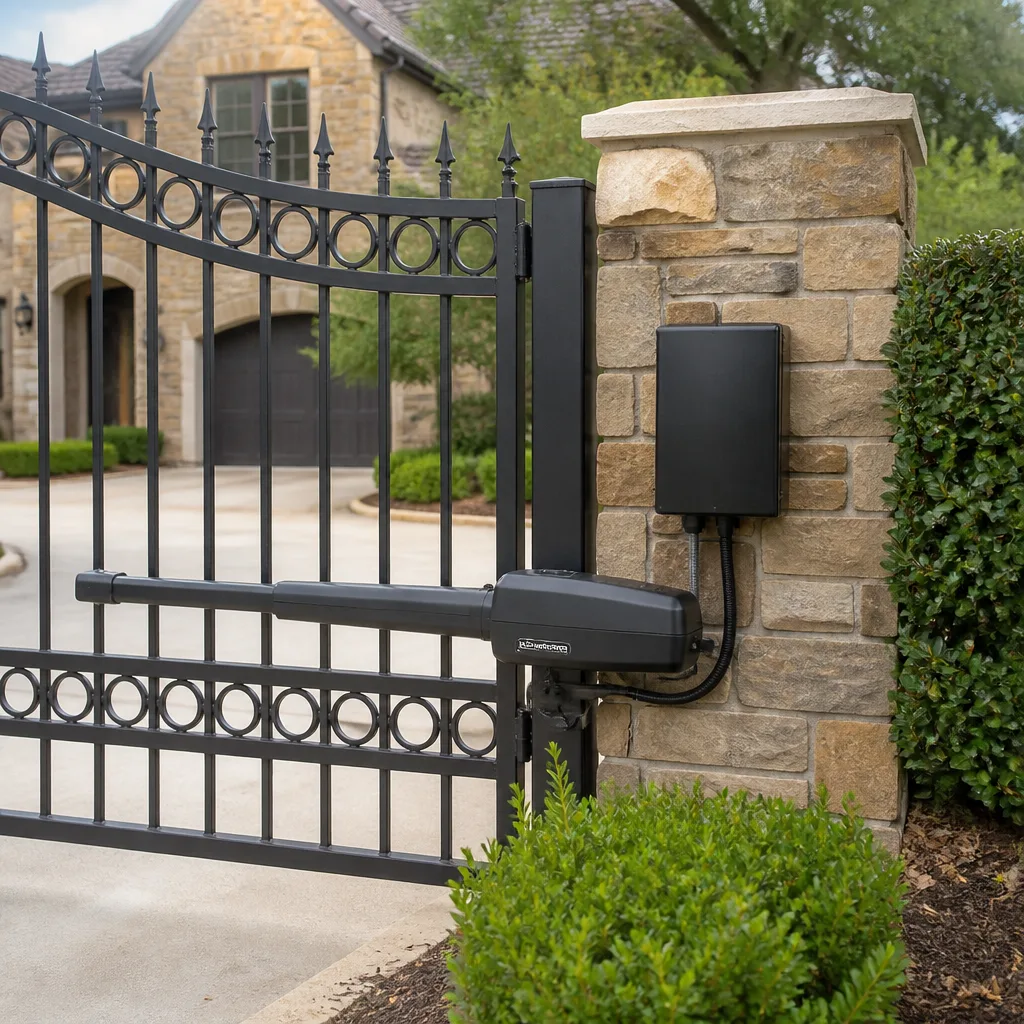 LiftMaster operators
Free on-site gate assessment - hinges, posts, and your LiftMaster or Nice gate operator checked before anything is quoted
The assessment is free and the quote is the invoice.
Get your free estimateSeasonal Gate Repair Care for San Jose: Year-Round Homeowner’s Guide
San Jose’s rainy season doesn’t just bring rain. It brings ground saturation that shifts post footings by as much as a quarter inch, and that shift is why so many gate alignment calls come in January and February, not during the storm itself. The gate worked fine in September. By mid-January, the latch won’t catch. This guide, which complements The Complete Guide to Gate Repair in San Jose, assigns specific gate maintenance tasks to specific months based on what actually stresses gates in the South Bay, from the Almaden foothills to the East Foothills. You’ll learn what to check in October before the first real storm, what to inspect after the ground dries in April, and why your gate’s control board behaves differently when daytime temperatures sit above 90°F in Evergreen.
Quick Answer
Seasonal gate care in San Jose comes down to four tasks timed to the local calendar: pre-rain preparation in October and early November, post-rain inspection in January and February, lubrication reset in April and May, and heat management from June through September. Most gate failures in San Jose happen not because the hardware is worn out, but because routine seasonal maintenance was skipped in the month before conditions changed. A homeowner who spends about ninety minutes a year on these checks can avoid most our Gate Repair services calls entirely.
Styles & brands we work with
Table of Contents
- October – November: Pre-Rain Preparation for Gate Operators and Hardware
- January – February: Post-Rain Inspection and Footing Shift Detection
- April – May: Dry-Season Transition and Lubrication Reset
- June – September: Heat Protocol for Control Boards and Batteries
- The Forgotten Annual Task: Weep Holes in Hollow Steel Frames
- A Practical Monthly Gate Check That Takes Ten Minutes
- When to Call a Professional
- Frequently Asked Questions
Our Portcullis Gate Repair San Jose home page has a full breakdown of our service area and how we schedule calls across the South Bay. This guide focuses on what you can do yourself, season by season, and what to watch for before a small adjustment becomes a full Gate Repair in San Jose job.
October – November: Pre-Rain Preparation for Gate Operators and Hardware
San Jose gets roughly 15 inches of rain in an average year, and almost all of it arrives between November and March. October is the month to prepare, not during the first storm. The single most overlooked item in pre-rain gate care is the operator drain port. Most gate operators, including LiftMaster and FAAC models common in San Jose, have small drain holes at the base of the housing that let condensation escape. When those ports clog with dirt or spider webs, water pools inside the housing during winter storms, and the control board shorts out. That repair is usually $350 to $700 parts and labor, and it’s almost entirely preventable.
Here’s the pre-rain checklist our technicians run in October:
- Clear the operator drain ports. Use a small stiff brush or a bent paperclip to clear each drain hole at the bottom of the operator housing. If water has pooled inside previously, you’ll see staining or rust at the seam.
- Check the photo eye alignment. The photo eyes, the two sensors mounted near ground level on either side of the gate opening, get nudged by foot traffic, mowers, and settling. If they’re even slightly out of line, the gate will refuse to close or reverse mid-travel. Aligning them now saves a service call during the first rainy week, when technicians are booked solid with storm-related calls.
- Test the manual release. Every automatic gate has a manual release mechanism, often a keyed lock and lever on the operator or a pull chain on slide gates. Before rain season, test it. If you can’t get the gate to move by hand, call now. Finding out during a power outage at night is the worst possible time.
- Seal exposed wiring conduits. Walk the length of the gate and look for cracked PVC conduit, loose junction box covers, or exposed wire nuts. Water entering a low-voltage control wire will corrode it slowly, and the gate may work fine until February, then fail intermittently.
- Lubricate the gate hinges and rollers with a dry lithium spray or a silicone-based lubricant. Avoid WD-40 for this job. It displaces water for a week but doesn’t lubricate bearings long-term and will break down grease you applied earlier in the year.
If you’d rather have someone else do this work, our team covers the whole electric gate repair and maintenance service in San Jose, and we quote the pre-rain service at a flat rate before we touch a bolt.
January – February: Post-Rain Inspection and Footing Shift Detection
This is the season when we get the most urgent calls. In our experience, most San Jose gate alignment problems in January are rooted in what happened underground in December. The clay-rich soil in parts of Willow Glen and Cambrian expands when saturated, and if one post sits in ground that drains faster than the other, that post stays put while the other shifts. The result is a gate that looks level but won’t close, or a latch that misses the receiver by a quarter inch.
Dean Prescott, owner at Portcullis Gate Repair San Jose, tells homeowners to check for post shift the same way a carpenter checks a doorframe: with a level and a tape measure, not just your eyes.
- Set a 4-foot level vertically against the hinge post and the latch post. Write down the bubble reading on each post. If one post reads level and the other reads a quarter bubble off, the footing has moved.
- Measure the gap at the top and bottom of the gate leaf between the gate and the post. A difference of more than half an inch between top and bottom measurements on the same side confirms the post is leaning.
- Check the gate’s resting position against the stop. Slide gates often show a gap at the fully-open stop in January that wasn’t there in October, which usually means the track or the roller trucks, the small wheel assemblies that carry the gate’s weight, have settled.
- Open and close the gate manually and listen. A scraping sound that rises in pitch as the gate moves means the gate is dragging on a surface it wasn’t dragging on before. That’s often a post moving inward as the ground swells.
If post shift is caught in January, the fix is often a shim adjustment on the hinge or a roller height adjustment, usually under $200. If left through the spring, the hinge welds crack or the post pulls free from its footing entirely, and that’s a gate installation and replacement project in San Jose, not a repair. The earlier the post shift is measured, the less expensive the correction.
April – May: Dry-Season Transition and Lubrication Reset
By late April, the ground in San Jose has begun to dry, and that’s when we see the second wave of alignment calls. As the soil contracts, posts that shifted outward in winter shift back, and the gate behaves differently than it did in February. But the more important spring task is lubrication reset.
Winter rain and the moisture it brings displaces grease in the gate’s bearing surfaces. The grease doesn’t disappear. It gets washed out of the hinge pins and roller bearings and replaced with water. By May, the bearings are running on a thin, watery emulsion that provides less lubrication than a dry bearing would. Adding fresh grease on top of the watery residue traps moisture against the metal and accelerates rust.
Here’s the lubrication reset sequence we recommend:
- Wipe down each hinge pin, roller truck, and track surface with a clean rag. Remove the old, water-contaminated grease.
- Inspect for rust bloom, the light orange dust that forms when water sits on bare steel. Rub it off with a wire brush if it’s surface-level.
- Apply a thin coat of lithium-based grease to hinge pins and roller bearings. Less is more. A thick coat collects grit, and then the grit grinds the bearing surfaces.
- Re-grease the track for slide gates with a product rated for exposed outdoor use. Avoid axle grease, which hardens in the summer heat.
- Test the gate under power and watch for smooth travel. A gate that shudders or advances in small jumps after lubrication usually has a bearing that’s already pitted, and no amount of grease will fix that.
If the gate still moves roughly after a proper lubrication reset, the bearing surfaces are worn and should be replaced before the summer heat accelerates the wear further. Most swing-gate actuator swaps run $400 to $800 parts and labor in San Jose, and the actuator, the motorized arm that physically pushes the gate open, often fails because the hinge bearings were never serviced.
June – September: Heat Protocol for Control Boards and Batteries
San Jose’s inland neighborhoods, particularly Almaden Valley, Evergreen, and the East Foothills, routinely see sustained daytime temperatures above 90°F from June through early September. That heat affects gate electronics in two specific ways: control board life and battery backup behavior.
Control boards sit inside the operator housing, which is usually a metal or dark-plastic box mounted in full sun. The internal temperature of an operator housing in Almaden on a 95°F afternoon can reach 140°F. Electronics rated for 120°F internal operation degrade faster above that threshold. The failure doesn’t happen on the hottest day. It shows up later, when the board has accumulated enough thermal fatigue that a capacitor dries out and the gate stops responding to the remote or keypad. That’s why board failures cluster in September and October, even though the heat peaked in July.
Battery backup systems have a different problem. Most residential backup batteries use sealed lead-acid chemistry, which loses capacity as operating temperature rises. A battery that provides eight hours of standby in March may provide three hours in August. If your gate has a battery backup, test it in July by cutting power to the operator at the breaker and running the gate through five open-close cycles. If the gate slows noticeably by the third cycle, the battery is due for replacement.
Things worth checking before and during the heat season:
- Shade the operator housing. A simple metal or wood shade panel mounted a few inches above the housing, with air gap for ventilation, lowers internal temperatures by 15 to 20 degrees.
- Keep vents clear. Most operator housings have ventilation louvers or slots. Clear leaves, dust, and lizard nests. San Jose has a healthy lizard population, and they love the warmth inside an operator housing.
- Listen for cooling fan noise. Some operators, including BFT and Linear models, have small internal fans. If the fan has seized, the housing runs hotter. A replacement fan is typically $30 to $60 parts and a quick labor call.
- Watch for intermittent gate stoppages on hot afternoons. If the gate opens partially and stops, then works fine at night, that’s a control board thermal fault, and it will get worse as the heat continues.
The Forgotten Annual Task: Weep Holes in Hollow Steel Frames
Almost every steel gate installed in San Jose is built from hollow tube steel. It’s light, strong, and inexpensive, but it has one weakness: moisture gets inside through pinhole weld gaps, scratches, or poorly sealed cut ends, and once it’s inside a hollow tube, it rusts the gate from the inside out.
Good fabricators drill weep holes, small drainage holes at the lowest points of the frame, so water that enters the tube can exit rather than pooling. Over time, those holes clog with paint overspray, insect nests, and rust scale. When they clog, water sits inside the bottom rail all winter, and by summer the rail is rotting from the inside. We see this most often on gates more than five years old, especially in neighborhoods with mature landscaping, because irrigation overspray adds moisture year-round, not just during the rainy season.
Here’s what to do once a year, ideally in September before the rains return:
- Find every weep hole. They’re typically 1/8-inch to 1/4-inch holes on the underside of the bottom rail and sometimes on the vertical stiles near the bottom.
- Clear each one with a small alan wrench or a piece of stiff wire. Push through any debris until you feel the tool enter the hollow cavity freely.
- Check for rusty water coming out. If water drains that’s dark or rust-colored, rust has already begun inside the tube. The gate isn’t lost, but you should treat the inside of the frame with a rust converter before the next rainy season.
- Touch up any damage to the paint or powder coat with a zinc-rich primer. Bare steel exposed through a scratch will rust within one San Jose winter.
If your gate frame shows bulging or flaking rust at the bottom rail, the steel may already be compromised, and a professional inspection is the safest next step. The high-tension hardware on a gate, the springs and cables that carry the gate’s weight, can fail without warning if the frame they attach to is weakened by internal rust. A trained professional should evaluate that condition in person.
A Practical Monthly Gate Check That Takes Ten Minutes
After the quarterly and annual tasks, there’s a simple monthly walk-around that catches most problems before they become repair calls. Here’s the ten-minute sequence we tell every homeowner to adopt:
- Open and close the gate one full cycle. Watch it move. Listen for new sounds. A gate that moves smoothly and quietly one month should move the same way the next. Any change means something altered.
- Wiggle the gate leaf by hand when it’s fully closed. Push on the leading edge of the gate, pull it, push it side to side. There should be barely any movement. If you feel play, a hinge or roller is wearing.
- Check the latch and lock engagement. Close the gate and watch the latch seat into the receiver. It should drop in cleanly without you needing to lift or push the gate into position.
- Look at the ground under the gate’s travel path. If the soil has built up or erosion has exposed a track or post base, that’s a change worth noting. A gate that dragged through dirt last month will keep dragging this month.
- Press the remote button from the curb and from inside the car. If the gate only opens when you’re close, the antenna or receiver may be failing.
If any of these checks reveal something that wasn’t there before, call a gate repair professional in San Jose sooner rather than later. Most gate problems start as a small adjustment and become large repairs because the small adjustment was never made.
Common Mistakes to Avoid
- Lubricating without cleaning first. Adding fresh grease on top of old, water-contaminated grease traps moisture against the metal and accelerates rust. Wipe the old grease off before applying new lubricant.
- Using WD-40 as a gate lubricant. WD-40 is a water displacer and a short-term penetrant, not a bearing lubricant. A week after application, the bearing is running dry again, and the original grease has been broken down.
- Ignoring a gate that’s a quarter-inch out of alignment. A small alignment issue in San Jose never stays small. As the soil cycles through wet and dry seasons, the post continues moving, and the quarter inch becomes three-quarters of an inch in a single season.
- Painting over weep holes. It’s common for homeowners to repaint a gate and accidentally plug the drain holes. Then winter rain sits inside the frame and rusts it from the inside. Check the weep holes after every paint job.
- Testing the gate only when it’s convenient. A gate that works perfectly on a Saturday afternoon may behave differently at 6 a.m. when the temperature is 20 degrees lower and the metal has contracted. Test the gate in the conditions you actually use it.
- Waiting until the gate fails completely to call. Gate failures compound. A slipping chain wears the sprocket, which then wears the motor, which then fails. The earlier a gate problem is identified, the cheaper and faster the repair.
When to Call a Professional
If the gate has drifted out of level by more than an inch, or the post shows visible movement when you push the gate, call before another rain cycle worsens the footing. If the gate opens on its own, refuses to close, or reverses direction mid-travel, that’s a safety issue involving the photo eyes, force settings, or control board. Those are not DIY fixes. The springs and cables on any powered gate carry high tension, and a sudden release can cause serious injury. That’s a job for a trained technician, and a professional inspection is always the right call when structural components are involved. Portcullis Gate Repair San Jose offers free estimates in San Jose, call (669) 800-5686, and every job gets a written price before any work starts.
Frequently Asked Questions
A seasonal gate maintenance visit in San Jose typically runs $95 to $180, depending on whether it’s a quarterly lubrication visit or a full pre-rain inspection with adjustments. Most gate repair companies offer annual maintenance plans in the $250 to $450 range that cover two or three visits per year. Call (669) 800-5686 for an exact quote, estimates are free.
The most common rain-related gate failure in San Jose is water intrusion into the operator housing through clogged drain ports, followed closely by photo eye misalignment from ground movement. Both are preventable with the October pre-rain check described in this guide.
Yes, in most cases. A sagging gate that still has structurally sound posts and hinges can usually be adjusted the same day. If the post has shifted substantially, the fix may require resetting the post in concrete, which is measured and scheduled rather than done the same day. Call (669) 800-5686 and a technician can assess the gate in person and give you a written price.
Twice a year for most residential gates: once in April or May with a full cleaning and fresh grease, and once in October with a lighter touch-up before the rainy season. Gates that run more than 20 open-close cycles per day, which is common for shared driveways and homes with multiple drivers, benefit from quarterly lubrication.
Residential gate operators in San Jose typically last 8 to 12 years with regular maintenance, with LiftMaster and FAAC units on the longer end of that range and lower-cost units on the shorter end. The most common lifespan-shortening factor is heat, which is why Almaden and Evergreen operators in direct sun often fail two or three years sooner than the same unit in a shaded Los Gatos hillside.
Yes. Portcullis Gate Repair San Jose handles full electric gate service including power runs, photo eyes, safety edges, keypads, vehicle sensors, and battery backup systems. Every job is quoted in writing before work begins, and the Kingswell Guarantee covers the repair for 365 days, including a free return visit if something isn’t right.
The Bottom Line
San Jose’s seasons don’t look dramatic from the outside, but they create distinct stress cycles for gates: fall rains saturate the soil and shift footings, winter storms flood operator housings, spring drying contracts the ground and exposes misalignment, and summer heat shortens the life of control boards and batteries. The homeowners who avoid expensive gate repairs are the ones who time their maintenance to the calendar: seal and clear drains in October, measure post lean in January, reset lubrication in April, and shade and test the electronics in July. Ninety minutes a year of seasonal attention prevents most gate failures; for more guides & resources, visit our blog. For anything beyond that, Portcullis Gate Repair San Jose is a call away at (669) 800-5686, with a written price before any work starts and a written guarantee on every repair.
Written by Dean Prescott, Owner at Portcullis Gate Repair San Jose, serving San Jose since 2008.
See the difference
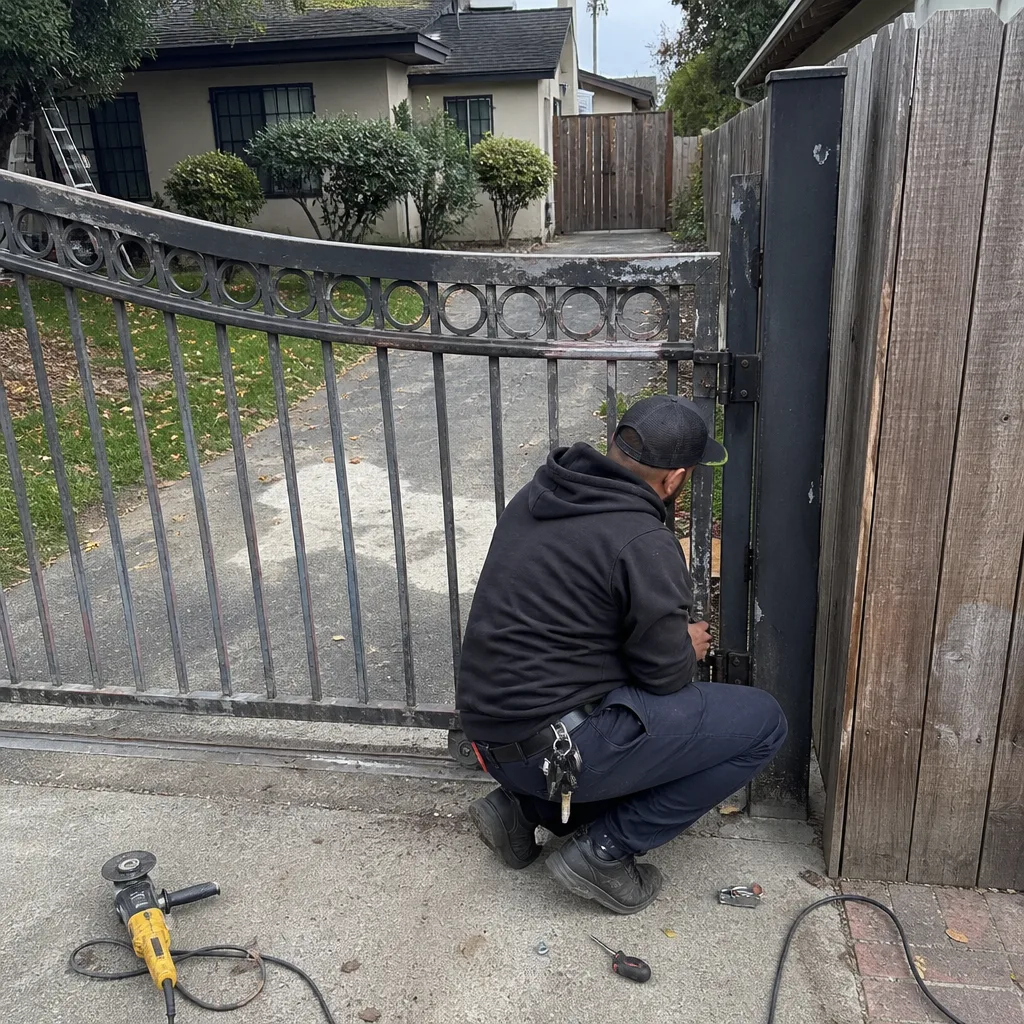 Before
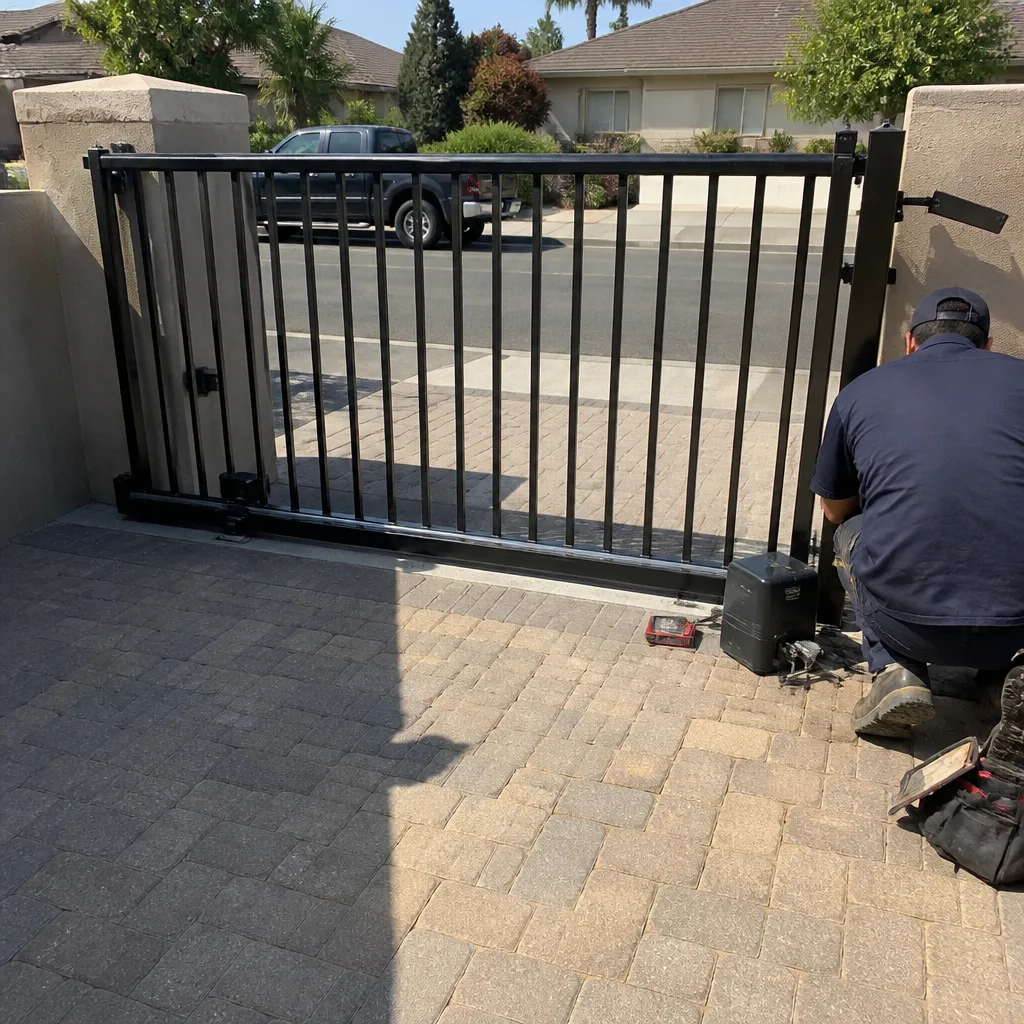 After
After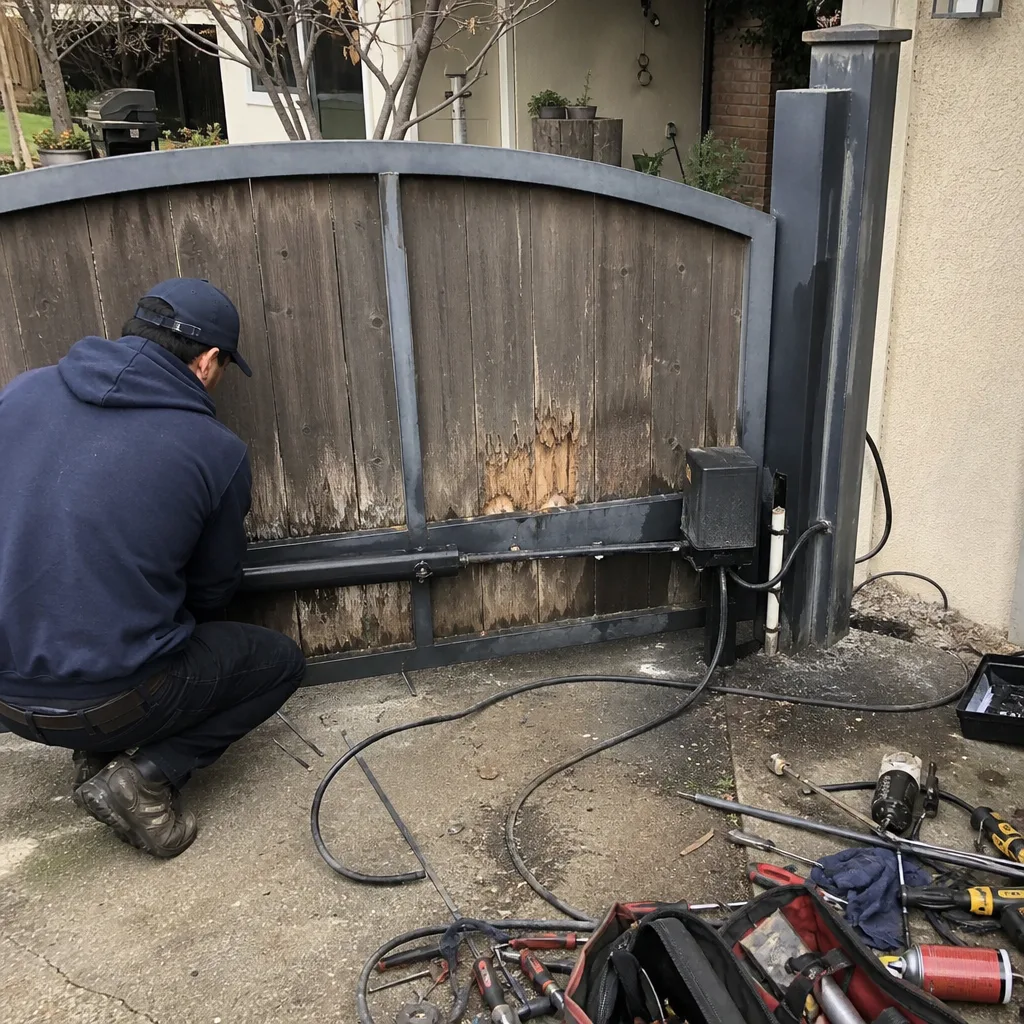 Before
 After
After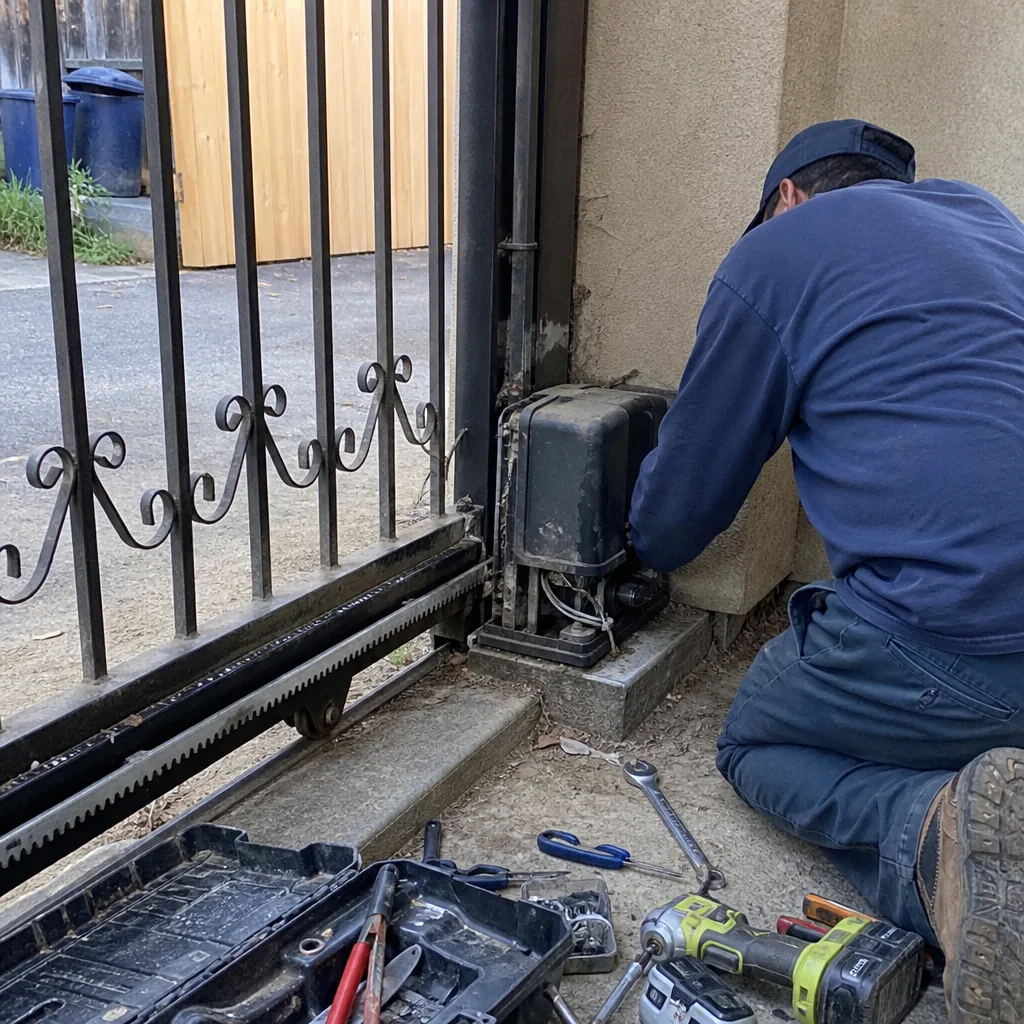 Before
 After
After