
Last updated October 16, 2026
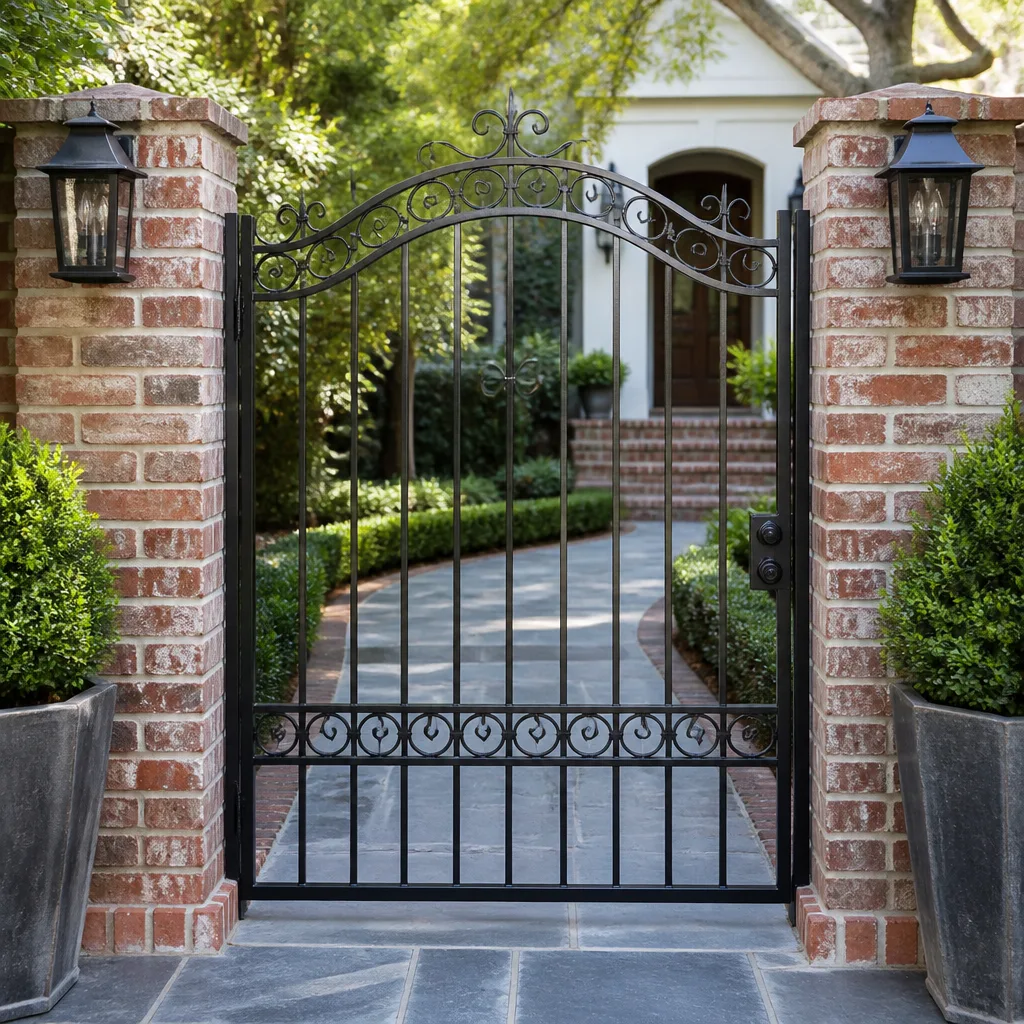 Wrought iron
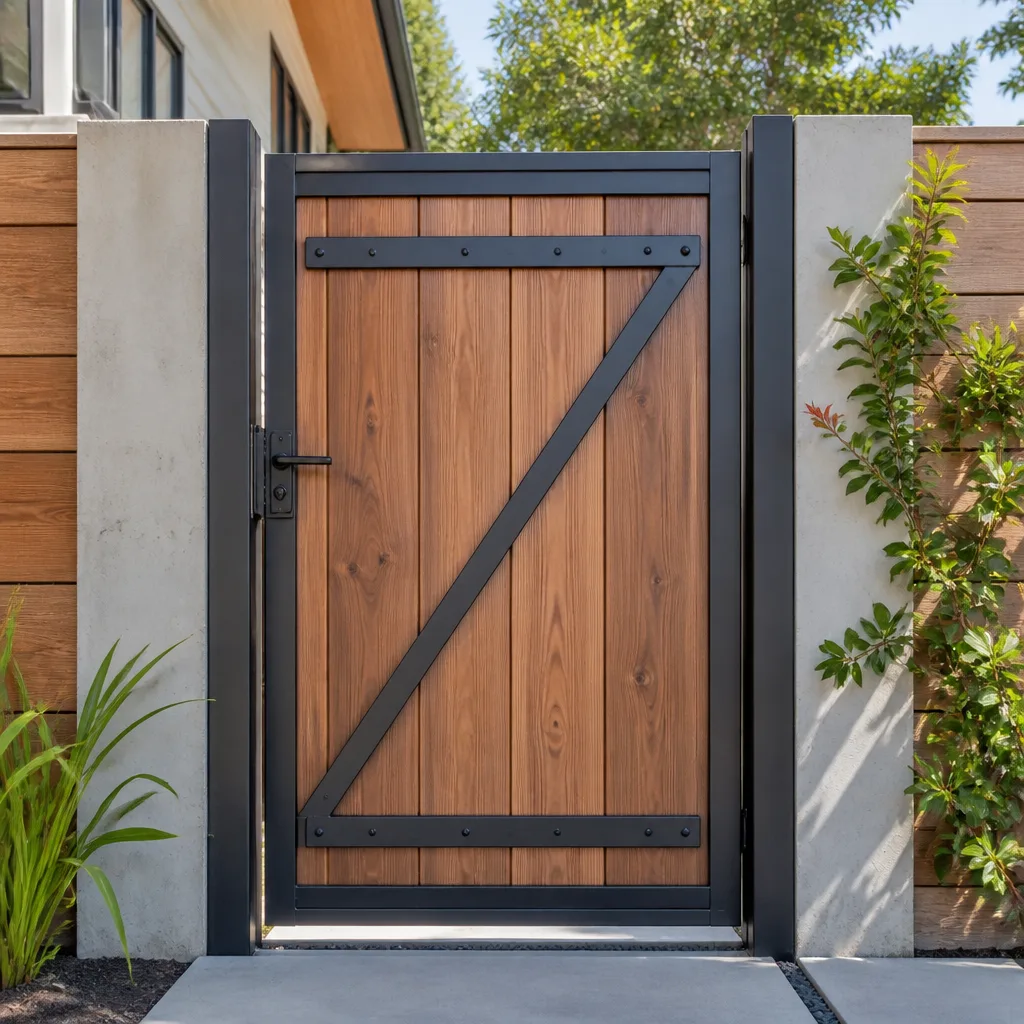 Wood & steel frame
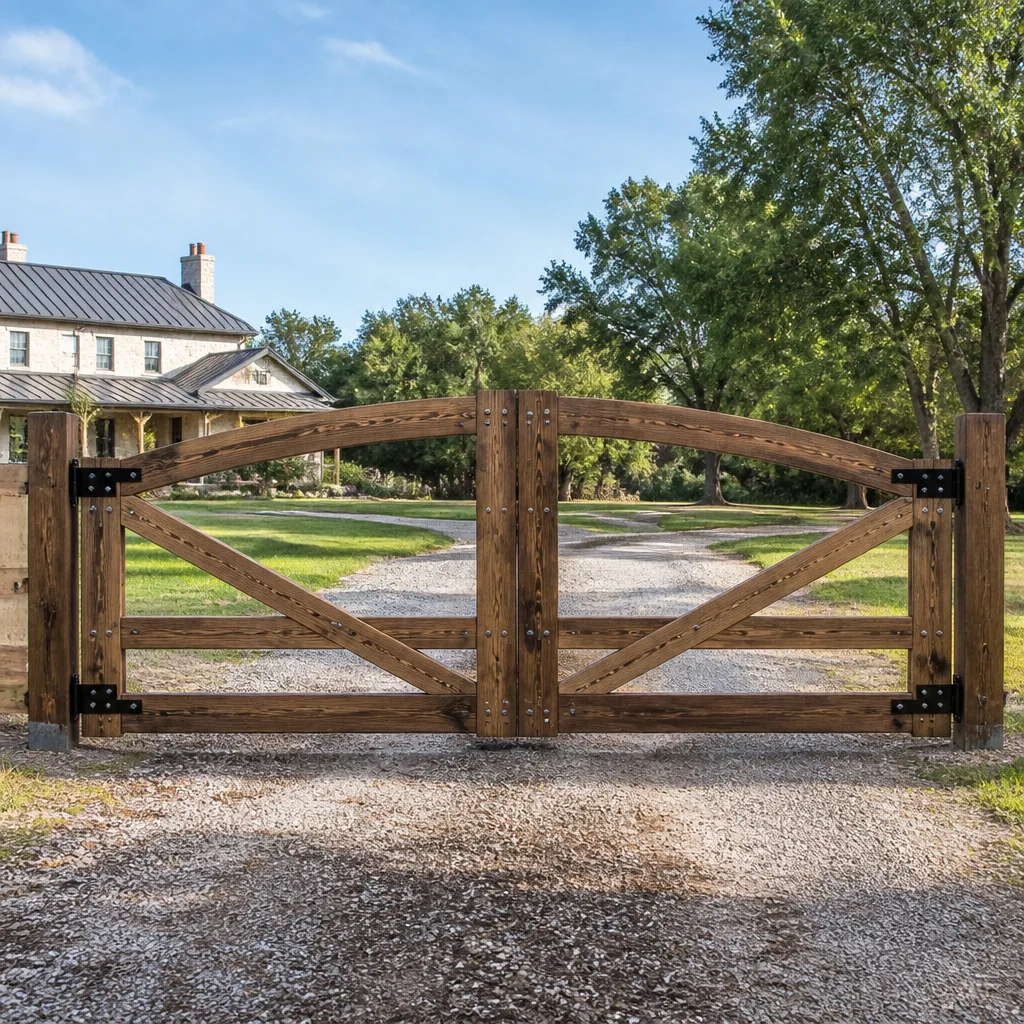 Farm & ranch
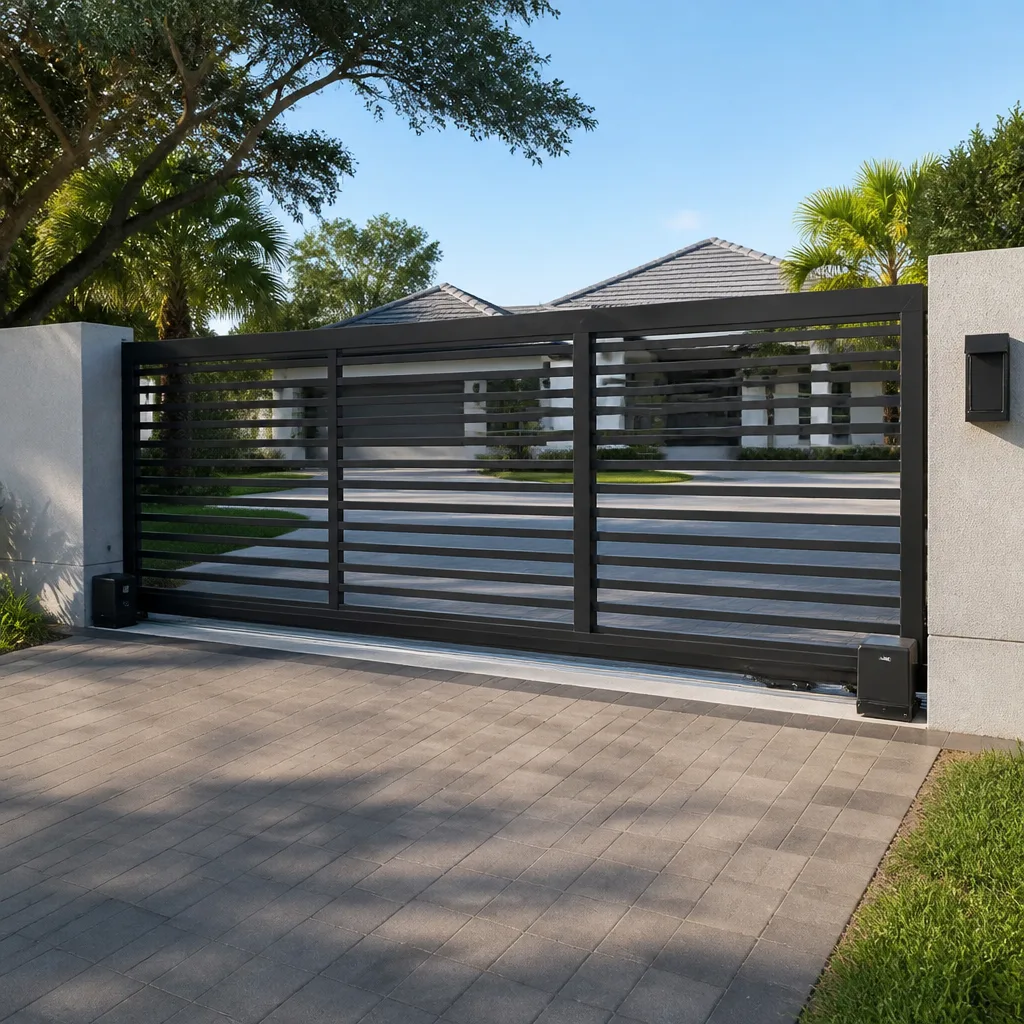 Sliding driveway gates
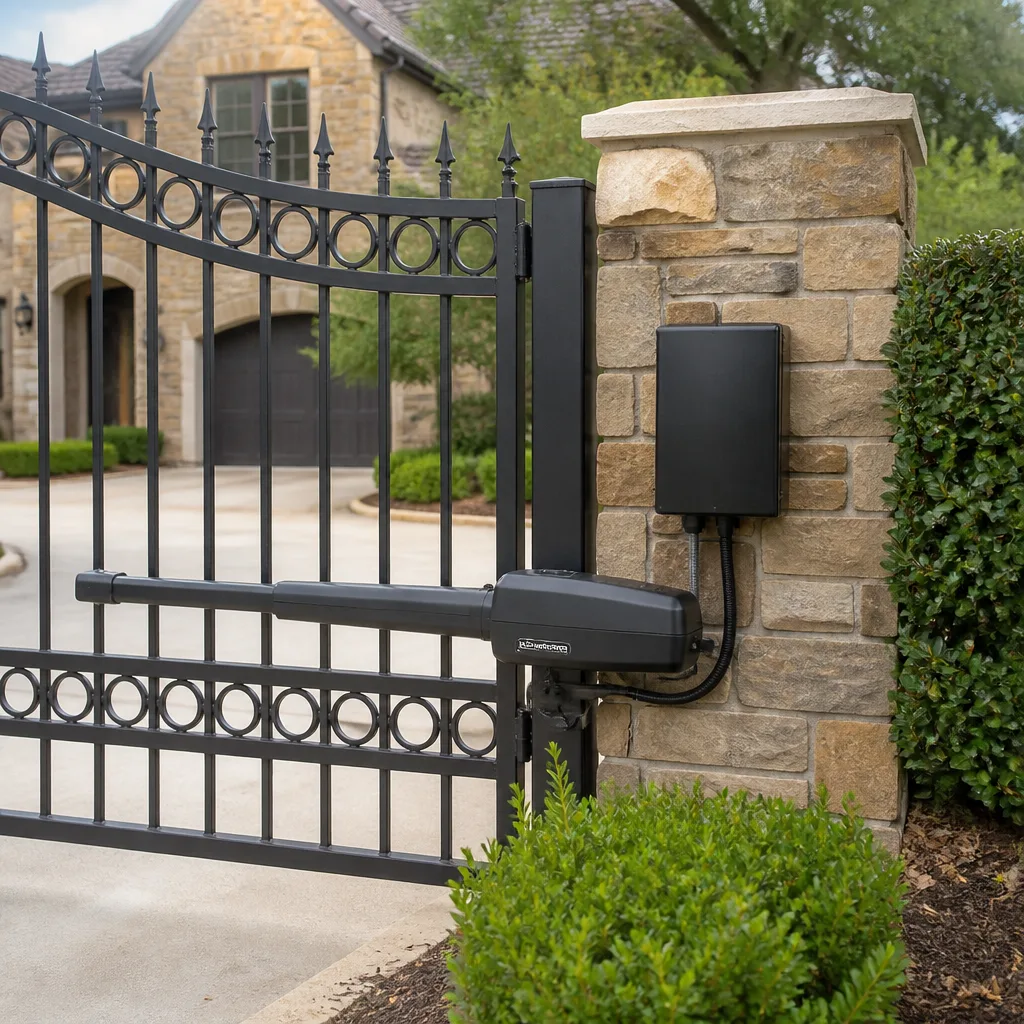 LiftMaster operators
Free on-site gate assessment - hinges, posts, and your LiftMaster or Nice gate operator checked before anything is quoted
The assessment is free and the quote is the invoice.
Get your free estimateThe Complete Guide to Gate Repair in San Jose
Here’s a number most San Jose homeowners don’t expect: roughly two out of every three gate repair calls we run involve a problem that started weeks or months before the homeowner actually picked up the phone. A gate that dragged slightly. A motor that hummed a half-second longer than it used to. A wheel that squeaked on the track each morning. By the time the gate finally stops moving altogether, a $90 limit-switch adjustment has become a $900 operator swap. This guide closes that gap. We’re going to walk through every common gate failure by symptom, not by brand or gate type, so you can match what you’re seeing at your San Jose property to a real repair category and a real price range before anyone stands in your driveway with a clipboard.
Styles & brands we work with
Quick Answer
Gate Repair Cost Breakdown: The San Jose Homeowner’s Reference for 2026 shows that gate repair in San Jose typically costs between $180 and $1,400 depending on the failure: limit switch and safety sensor adjustments run $180 to $350, actuator arm replacements on swing gates run $450 to $900, and full operator replacements on heavy driveway gates run $900 to $2,000 or more. Most repairs on residential swing and slide gates are completed in a single visit. The fastest way to get an exact number is to call a San Jose gate company that puts the price in writing before any work starts, not after the gate is already disassembled.
Table of Contents
- Symptom-First Diagnosis: Match What You See to What’s Broken
- Why San Jose Soil and Climate Cause Specific Gate Failures
- A Plain-Language Glossary of Gate Terms
- When a Repair Is Smart, and When It’s a Bridge to a Replacement
- What a Written Price Guarantee Actually Looks Like
- Electric Gate Repair: What Goes Wrong and What It Costs
- What You Can Safely Check Yourself (and What You Shouldn’t Touch)
- Common Mistakes to Avoid
- When to Call a Professional
- Frequently Asked Questions
- The Bottom Line
Symptom-First Diagnosis: Match What You See to What’s Broken
Gate repair diagnostics work best when you ignore the brand name on the motor and focus on what the gate is physically doing. A Viking operator and a DoorKing operator can fail in identical ways, and the fix often costs about the same. Here’s what we’ve seen on hundreds of San Jose gate jobs, organized by the symptom you’ll actually notice from your kitchen window or driver’s seat.
1. The gate won’t close fully, or stops halfway and reverses
This is the most common residential gate complaint in San Jose, and it’s rarely the motor. Start by looking at the safety sensors. On a slide gate, these are the photo eyes mounted on either side of the track opening, typically about 18 inches off the ground. When dust, cobwebs, or a stray leaf blocks the beam, the gate reads it as an obstruction and refuses to close. Cleaning the sensor lenses with a dry cloth fixes a surprising number of these calls. If the gate still won’t close, the next suspects are the limit switches, the small mechanical or magnetic stops that tell the operator where “open” and “closed” actually are. When a limit switch drifts out of alignment, the motor thinks the gate has traveled farther than it has. On swing gates, a sagging hinge or a settlement issue in the post can also cause the gate to bind before it reaches the closed position, which triggers the same safety reversal. This is a repair we’d expect to run $180 to $350 in San Jose depending on whether it’s an adjustment or a sensor replacement.
2. The gate grinds, shudders, or makes a metallic scraping sound
On a sliding gate, this is almost always the V-groove wheels or the track. The wheels sit inside a steel track bolted to the ground or mounted on the gate itself, and when they wear down, the gate starts riding on the track edge instead of the wheel groove. You’ll hear it. Left alone, it destroys the track, and then you’re no longer looking at wheel replacement; you’re looking at track repair or replacement. On a swing gate, grinding usually points to hinge wear or a failing actuator arm bushing. The actuator is the motorized arm that physically pushes the gate open and closed. When the internal gears in the actuator wear, the arm stutters or grinds under load. Repairs in this category typically run $250 to $600 in San Jose, with full actuator swaps running higher.
3. The gate drifts open or closed on its own after stopping
This is a classic operator failure signature. On hydraulic swing gate operators, drifting means an internal seal or check valve is failing, allowing fluid to bypass and the arm to slowly creep. On electromechanical operators, it can mean a worn gear or a failing brake. The repair here is almost always an operator rebuild or replacement rather than an adjustment. A drifting gate is a safety liability, especially if it drifts into the path of a car or a pedestrian, so this one deserves prompt attention. Budget $600 to $1,400 depending on the operator model and whether it’s a rebuild or a full unit swap. Trained techs at Portcullis Gate Repair services in San Jose service the most common residential operators in the area, including DoorKing and Elite units, so the diagnosis is usually quick.
4. The gate works fine, but the remote or keypad doesn’t
Don’t assume the gate itself is broken. Remote failures are frequently battery or programming issues, not operator failures. Before you call anyone, swap the battery in the remote and check whether the keypad has power. If the keypad is dead but the gate cycles fine from the manual button, the keypad is its own repair. If the gate doesn’t respond to any input, including the hardwired button, then the problem is usually the control board inside the operator. On brands like Viking and Elite, board failures are common after power surges, and San Jose’s intermittent outages during fire season make surge-related board damage a familiar call. Control board replacement typically runs $300 to $650 parts and labor depending on the model.
5. The gate won’t budge at all, and the motor doesn’t make a sound
First, check the breaker. You’d be surprised how many no-power gate calls end at the electrical panel, not the gate. If the breaker is fine, the likely culprits are a blown fuse on the control board, a failed capacitor, or a burned-out motor. A dead-silent operator with no warning signs is frequently the capacitor, a $20 part that’s a common failure in older LiftMaster and DoorKing units. Motor replacement on an older operator is usually the point at which a new operator starts making more sense than a motor swap, because the labor overlaps and the new unit carries a fresh warranty.
Why San Jose Soil and Climate Cause Specific Gate Failures
San Jose is not one flat, uniform environment. The city runs from bay-level terrain near Alviso up through the foothills in Almaden Valley and Evergreen, and those differences matter for gate mechanics. But the single biggest factor across most of San Jose is the soil, specifically the heavy clay content in much of the Valley floor.
Clay soils expand when wet and contract when dry. That movement is hell on concrete footings. A gate post poured into clay soil that wasn’t set deep enough or wide enough will shift over years of wet winters and dry summers. You won’t necessarily see the movement from the street. What you’ll see instead is a swing gate that suddenly drags on the latch post in August after years of clearing it by an inch, or a slide gate track that develops a subtle high spot where the concrete heaved. In neighborhoods like Willow Glen and Cambrian, where many homes date to the 1950s and 1960s and original gate posts were poured to older standards, we see this pattern regularly.
We also see distinct seasonal failure patterns. The first real rain in October or November brings a wave of gate calls about intermittent operation. Water finds its way into underground junction boxes, corroding wire nuts and shorting low-voltage control wiring. The first heat spike in May and June brings a different set: operators overheating, batteries in solar-powered gate openers failing, and metal gate frames expanding just enough to bind against their posts. Knowing which failure season you’re in helps you know whether the problem is likely a $240 wiring fix or something larger.
There’s also the coastal fog factor. Homes in the western neighborhoods closer to the Santa Cruz Mountain foothills get more fog and more marine air, which accelerates corrosion on exposed gate hardware, particularly hinges, roller brackets, and chain drives. A galvanized chain on a slide gate in Los Gatos-adjacent neighborhoods might last a decade. The same chain in a fog-exposed part of West San Jose can be visibly rusted in five years. This directly informs our repair recommendations, because sometimes the right fix is not another repair but a material upgrade, like swapping steel components for stainless or powder-coated alternatives.
A Plain-Language Glossary of Gate Terms
Every trade has its own vocabulary, and gate repair is no different. A technician should be able to explain every term below in plain English before you authorize a repair. Here’s the short version we use with San Jose customers every week.
- Operator: The motor unit that opens and closes the gate. It’s the box or the post-mounted arm, not the gate itself. When someone says “the gate motor is broken,” they almost always mean the operator.
- Actuator arm: On a swing gate, this is the motorized arm that physically pushes and pulls the gate leaf. When you see a black metal arm extending from a box near the hinge, that’s the actuator.
- Limit switch: A small internal or external switch that tells the operator when the gate has reached its fully open or fully closed position. When the gate stops in the wrong spot, this is the first adjustment a tech checks.
- Photo eye / safety sensor: The pairs of eyes mounted near ground level that detect anything in the gate’s path and stop or reverse the gate. They’re the reason your gate won’t close if a leaf is blocking the beam.
- Control board: The circuit board inside the operator that manages all the inputs: remotes, keypads, safety sensors, and limit switches. It’s the gate’s brain, and it’s the part most vulnerable to power surges.
- V-groove wheel: On a sliding gate, these are the caster wheels the gate rides on. They have a V-shaped groove that centers them on the track. When the groove wears flat, the gate starts scraping.
- Gate leaf: The actual moving panel of the gate. A double gate has two leaves. This is the part you see from the street.
- Track: The steel or aluminum rail a sliding gate travels along. It’s bolted to the ground or a concrete footing, and its alignment is critical to how smoothly the gate runs.
- Loop detector: A sensor buried in the driveway that detects the metal mass of a car and tells the gate to open or stay open. This is the technology behind most automatic vehicle access gates.
- Solenoid lock: An electric lock that secures the gate in the closed position. Common on pedestrian gates and some driveway gates, and a frequent point of failure because it sits at ground level and gets wet.
When a Repair Is Smart, and When It’s a Bridge to a Replacement
One of the hardest things to hear about your gate is that the $300 repair you’re about to pay for is going to be followed by another $250 repair in eight months, and then a $1,200 replacement the year after that. A good gate company tells you this upfront rather than quietly billing you three times for the same failing system. Here’s the honest framework we use.
Repair is smart when:
- The operator is under 8 to 10 years old and is a brand with good parts availability, like LiftMaster, DoorKing, Viking, or FAAC.
- The failure is isolated to a consumable part: a capacitor, a limit switch, a remote, a safety sensor, a wheel set, or a hinge.
- The gate frame and posts are in good condition, with no notable rust, rot, or foundational movement.
- The repair cost is under 40% of a full replacement cost for the same component.
Replacement is worth considering when:
- The operator is more than 12 to 15 years old and parts are being sourced from eBay rather than the manufacturer.
- The control board has failed a second time, especially after a surge event, because repeat board failures on an aging operator usually signal broader electrical decline.
- The gate frame itself is compromised: rusted through at the base, broken welds, or posts that have shifted enough that the gate no longer squares in the opening.
- The repair quote approaches 60% or more of replacement cost, and the new unit would carry a multi-year parts warranty.
There’s a middle category too: the stopgap repair. If a customer tells us they’re planning to replace the entire gate and operator within a year, we’ll often recommend the minimum safe fix to keep the gate functioning until the replacement is scheduled. That’s not a dishonest patch job; it’s a bridge repair, and we write the difference on the invoice so there’s no confusion. A gate repair in San Jose should never be a surprise escalation, and that starts with the company giving you an honest assessment of time horizon, not just price. The standard we hold ourselves to at every independently owned Kingswell location, including ours, is to tell customers the truth about the life left in their equipment. That’s part of the Kingswell approach, and it’s why we put every repair in writing before any work begins.
What a Written Price Guarantee Actually Looks Like
Gate repair has a price transparency problem, and San Jose homeowners know it. The pattern is familiar: a company quotes $89 for a service call, the tech arrives, the gate gets disassembled, and then the “real” quote lands at $1,400 with the gate in pieces on the driveway. The customer is in a terrible bargaining position, because the gate is now non-functional and the tech is standing right there.
A real written price guarantee means something specific. It means you get a dollar figure for the repair before the technician starts turning wrenches. It means the price on the paper is the price on the invoice, period. And it means that if the tech discovers something unexpected after the work begins, the conversation happens before an additional dollar is spent, not after the credit card is run.
Here’s what the Kingswell Guarantee promises on every gate repair, and what we’d encourage any San Jose homeowner to demand from any gate company they hire:
- The price is written before the work starts. Not a range, not an estimate, not a “we’ll see how it goes.” A number, in writing.
- The arrival window is real. You get a window, and a live person answers when you call to check on the tech’s progress.
- The job site is left clean. No cut zip ties, no stray fasteners, no grease smears on the gate. The area should look better than it did, not worse.
- The guarantee is written, not verbal. Every repair carries a written 365-Day Done Right Promise. If the repair fails inside that period, we come back and fix it at no charge, no questions, no restocking fee, no callout fee.
This last point matters more than most people realize. A verbal promise evaporates the moment the truck leaves the driveway. A written guarantee on the invoice is a contract. At Portcullis Gate Repair San Jose, every Kingswell repair invoice carries that written 365-Day Done Right Promise, and it’s the same standard across every Kingswell company. Dean Prescott, who leads our San Jose location, has been holding technicians and our own work to that standard since 2008, when we first opened our doors. If a company won’t put its repair guarantee in writing, take that as the disqualifier it is.
Electric Gate Repair: What Goes Wrong and What It Costs
Electric gate systems combine three distinct assemblies: the physical gate and its support structure, the operator or operators, and the access control components (remotes, keypads, loop detectors, and intercom or phone-based entry). Repairs can touch any one of these or several at once. Understanding which assembly is failing helps you understand the price.
Operator failures
The operator is the most expensive component to replace and the most common point of total failure. We’ve already covered actuator wear and control board failures above. What’s worth adding here is the brand-specific context, because San Jose homes have a wide mix of operator brands, and they fail differently. Ghost Controls and Mighty Mule units are common on lighter residential swing gates, and their most frequent issue is the actuator arm wearing out or losing internal limit sensing. DoorKing and Elite operators are more common on heavier gates and commercial properties, and their typical failures involve control boards, loop detector integration, and, less often, the motor itself. Viking and FAAC units appear frequently on higher-end custom gates, and those tend to fail on hydraulic seals or specialized control logic.
For planning purposes, actuator replacement on a Ghost Controls or Mighty Mule swing gate typically runs $450 to $800. A DoorKing control board replacement runs $400 to $650. A full Viking hydraulic operator replacement on a heavy custom gate can exceed $2,500, but those units also tend to have a much longer service life before replacement.
Access control failures
Keypads fail from water intrusion. This is so common we tell every San Jose customer with a pedestal-mounted keypad to check the gasket on the enclosure once a year. If the keypad sits in direct sun on a southwest-facing wall in neighborhoods like Blossom Valley, expect the membrane buttons to degrade faster from UV exposure. Replacement keypads are typically $150 to $350 installed. Loop detectors buried in the driveway fail less often than the wiring that connects them to the operator, especially after trenching work, landscaping, or earthquake-related soil movement. You’ll know a loop detector has failed when the gate opens for the keypad and remote but not when a car pulls up. Diagnosing and replacing a loop detector runs $350 to $600 including the saw cutting and sealing of the asphalt or concrete, which is why it’s the repair we always tell customers to get a second opinion on if the first quote seems off.
If you’re dealing with a full electric gate repair in San Jose, the diagnostic process follows the same sequence every time: verify power, check the safety inputs, test the operator’s manual release, then test the access control inputs. That sequence matters because it prevents what we call the parts-cannon approach, where a tech throws a new control board at a problem that was actually a shorted keypad wire. The parts cannon is expensive, and it’s another reason the written-price model matters; a tech who is financially incentivized to change parts is not a tech whose diagnosis you should blindly trust.
What You Can Safely Check Yourself (and What You Shouldn’t Touch)
There’s a real difference between a homeowner who checks the simple things before calling and a homeowner who gets hurt trying to fix a commercial-grade gate opener. The first kind saves money and time. The second kind is a cautionary tale. Here’s the line.
Safe to check yourself
- The breaker. If the gate is totally dead, go to your electrical panel and confirm the gate breaker hasn’t tripped. This takes 30 seconds and costs nothing.
- Remote batteries. A remote that stopped working only in cold weather is usually a battery issue. Swap it before you call.
- Sensor lenses. If the gate won’t close, look at the photo eyes near ground level. If they’re dusty or have spider webs, wipe them with a dry cloth and try again.
- Visible track obstructions. On a sliding gate, look for rocks, dirt, or vegetation that has grown into the track path. Clear it and run the gate.
- The manual release. Every operator has a manual release mechanism that disconnects the gate from the motor so you can push it by hand. If you can move the gate manually with reasonable effort, the problem is likely the operator. If the gate is stuck even when released, the problem is mechanical: wheels, hinges, or track.
Do not touch this
- Anything involving the electrical supply to the operator. Gate operators run on line voltage, typically 110V or 220V. Opening the operator cover with the power on can expose live terminals. Shut the breaker off or, better yet, have a professional handle it.
- Any spring or counterweight system. Some gates use tension springs to assist movement. A spring under tension stores enough energy to cause serious injury if it releases unexpectedly. This is not a DIY repair.
- Underground wiring repairs. If a wire has been cut by a shovel or a gopher (both happen in San Jose), the repair may involve splicing line-voltage or low-voltage wiring in a wet underground junction box. This is not the place to learn how to make a waterproof splice. Call a licensed professional.
If you’ve done the safe checks and the gate is still down, the next step is a phone call. When you call Portcullis Gate Repair San Jose, a live person answers, not a voicemail tree. That matters when your gate is stuck open and your dog is eyeing the street.
The emergency manual release
Every electric gate has a manual release that lets you operate the gate by hand during a power outage or operator failure. The location varies by brand: most LiftMaster and DoorKing slide gate operators have a handle or lever on the side of the unit; most swing gate actuators have a keyed release knob on the actuator body. It is worth knowing where yours is before you need it. During a San Jose power outage, you should be able to release the gate and push it by hand. If the gate cannot be moved manually even with the release engaged, you have a mechanical failure, not an operator failure, and the repair scope changes accordingly.
Common Mistakes to Avoid
- Hiring based on the lowest service call fee. A $29 service call is not a discount; it’s a marketing strategy. The money gets made on the back end, and you’re the one paying it. The price that matters is the total repair price, written down, before work starts.
- Ignoring early warning signs. Grinding sounds, slow operation, and intermittent failures are gate repairs sending you an invitation. The guest of honor at that party is a much bigger bill if you wait until the gate dies entirely.
- Accepting a verbal estimate. If the price isn’t written down, it doesn’t exist. This is true in every trade, but it’s especially true in gate repair, where the customer often can’t see the failed part until it’s been removed.
- Skipping the manual release during a power outage. Some San Jose homeowners sit through an entire outage with a non-functional gate because they don’t know every electric gate has a manual release. Find yours today, not during the next Public Safety Power Shutoff.
- Replacing the remote instead of the remote’s battery. We’ve watched customers buy $80 remotes from online vendors because a $2 battery died. Start with the battery.
- Forgetting that gate posts need drainage. In clay-heavy San Jose soil, a post set in concrete without a drainage path holds water against the metal. Over years, that rusts the post at its base, which is exactly where the gate’s structural life ends. If you’re having a new gate installed, ask about drainage. If your existing gate posts show rust lines at ground level, address it before the post fails.
- Keeping the original remote from a previous owner. When you buy a home in San Jose with an electronic gate, take a few minutes to clear the operator’s memory and reprogram it with your own remotes. Otherwise, a past resident, contractor, or houseguest with an old remote in their glovebox has access to your property. This is a five-minute job, and any gate tech can do it during a tune-up.
When to Call a Professional
Some gate problems are unambiguous: the gate doesn’t move, the operator hums but nothing happens, a swing gate has dropped so far it’s grinding against the latch post, or you can see physical damage to the actuator arm. Other situations call for a professional even if the gate is still functioning: any electrical repair, any spring or counterweight work, any repair where the gate is heavy enough to injure someone if it falls or moves unexpectedly, and any diagnostic situation where you’ve tried the safe checks and the cause isn’t obvious.
Heavy driveway gates are dangerous. A wrought iron swing gate can weigh several hundred pounds. A slide gate can be significantly heavier. When a component under tension fails during a DIY attempt, the result isn’t a small cut; it’s a hospital visit. This is not the job for a YouTube tutorial and a socket set from the garage. If your gate is misbehaving and you’re not certain why, get a professional diagnosis. Portcullis Gate Repair San Jose offers straightforward gate repair throughout the city, and every job includes the written price and the written Kingswell Guarantee. Call (669) 800-5686 for a free estimate.
Frequently Asked Questions
Most gate repairs in San Jose run between $180 and $1,400 depending on the component. Sensor or limit switch adjustments run $180 to $350, actuator replacements run $450 to $900, control board replacements run $300 to $650, and full operator replacements on heavier gates run $900 to $2,000 or more. Every Portcullis Gate Repair San Jose job includes a written price before work starts, so the number you approve is the number you pay. Call (669) 800-5686 for an exact quote on your specific gate and operator.
For many common repairs, yes. Limit switch adjustments, sensor cleaning or replacement, remote reprogramming, and control board swaps are typically same-day service calls in San Jose. Larger jobs, like full operator replacements, may require a day or two if the operator isn’t in stock locally, but most common brands are available same-week. The fastest way to know is to call (669) 800-5686 and talk to a live person, not a voicemail box.
We provide trained service on nine major gate operator brands: LiftMaster, FAAC, BFT, Linear, Viking, Ghost Controls, DoorKing, Elite, and Mighty Mule. That means the tech who arrives at your San Jose property already knows the specific system on the gate, rather than learning it from the label on the motor. All technicians are background-checked and arrive in uniform.
A professional gate repair should outlast the original problem by years. That’s the standard, not the hope. Every Portcullis Gate Repair San Jose repair carries a written 365-Day Done Right Promise. If the repair fails inside that period, we come back and fix it at no charge, including the return visit. No fine print, no restocking fee, no argument. The guarantee is stamped on every repair invoice.
Yes. If a repair assessment shows the gate or operator is near end-of-life, we’ll give you an honest recommendation with a written price for replacement. There’s no pressure to commit on the spot, and the diagnostic itself is transparent about what’s repairable and what’s not. Our gate installation in San Jose includes operator installation, access control, and structural work, with the same written-price Kingswell Guarantee that applies to repairs.
Yes. Commercial gate repair involves heavier operators, loop detector integration, and often more demanding access control systems. We handle both residential and commercial gate systems throughout San Jose, and the repair standard is identical: written price, real arrival window, clean site, and a written 365-Day Done Right Promise on every repair.
The Bottom Line
San Jose homeowners who know what their gate problem is before they call a repair company pay less and wait less. This guide and our more guides & resources exist to give you that edge. Match the symptom to the likely cause, run the safe checks, and then call a company that puts the repair price in writing before a single bolt moves. The Kingswell Guarantee is a five-part standard, not a slogan: say the price before the work, show up in the window given, leave the place cleaner than it was, put the guarantee in writing, and come back if it fails, free, for 365 days. That’s how gate repair should work. It’s how we’ve operated in San Jose since 2008, and it’s how we’ll handle your gate when you’re ready to get it fixed right the first time.
Written by Dean Prescott, Owner at Portcullis Gate Repair San Jose, serving San Jose since 2008.
See the difference
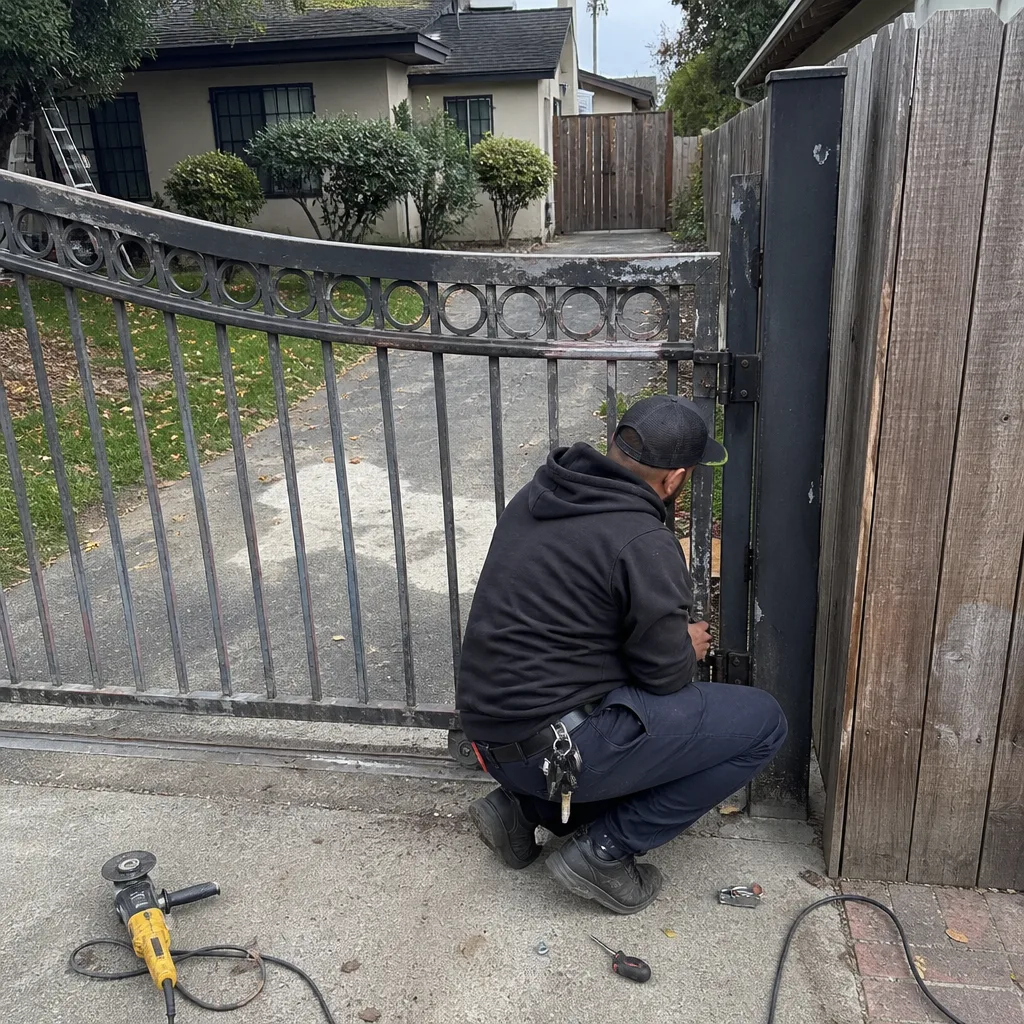 Before
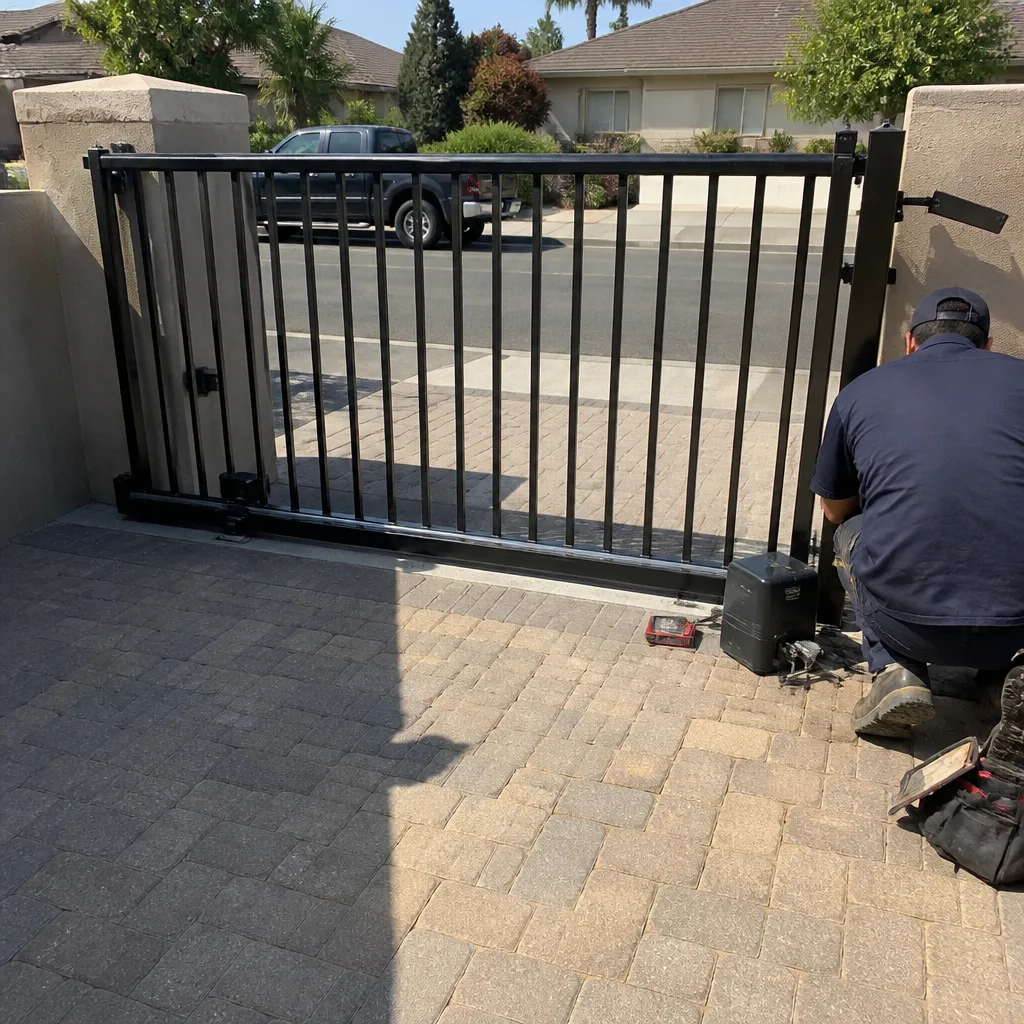 After
After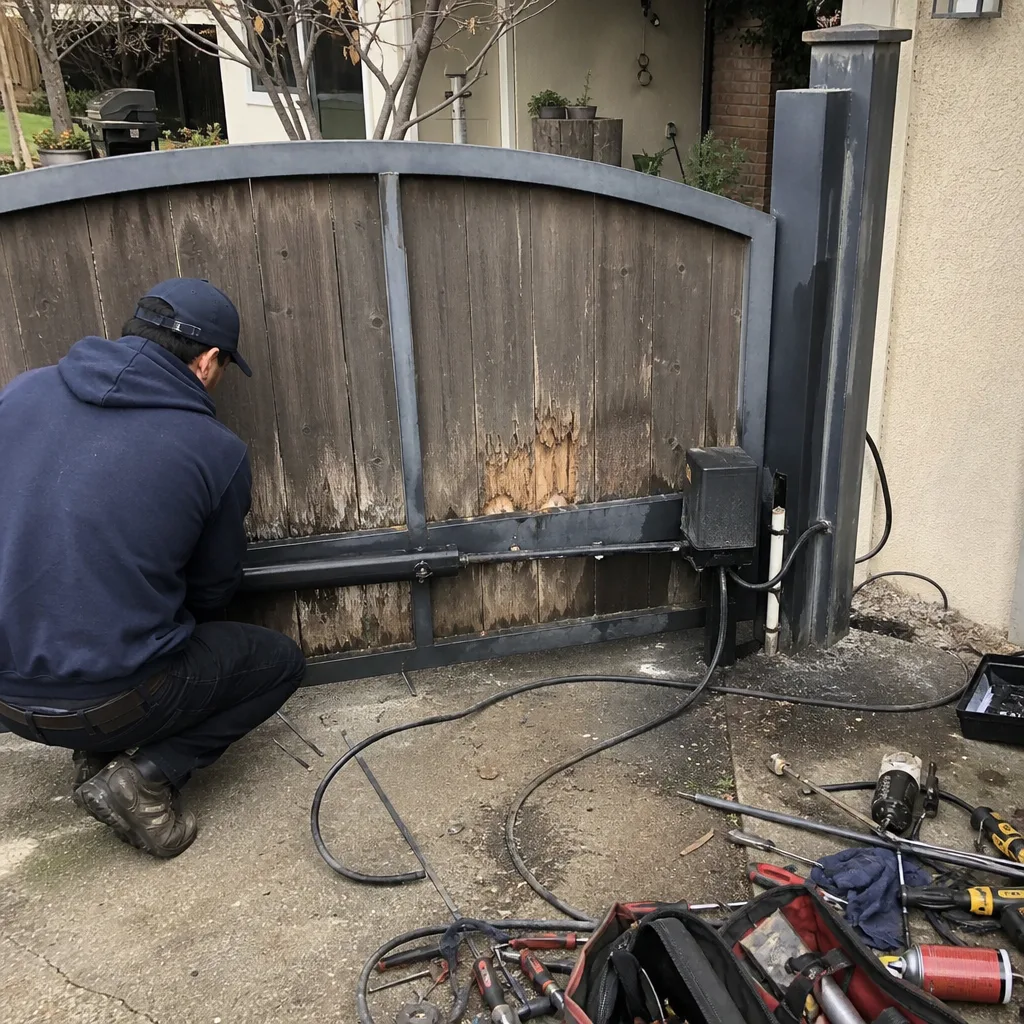 Before
 After
After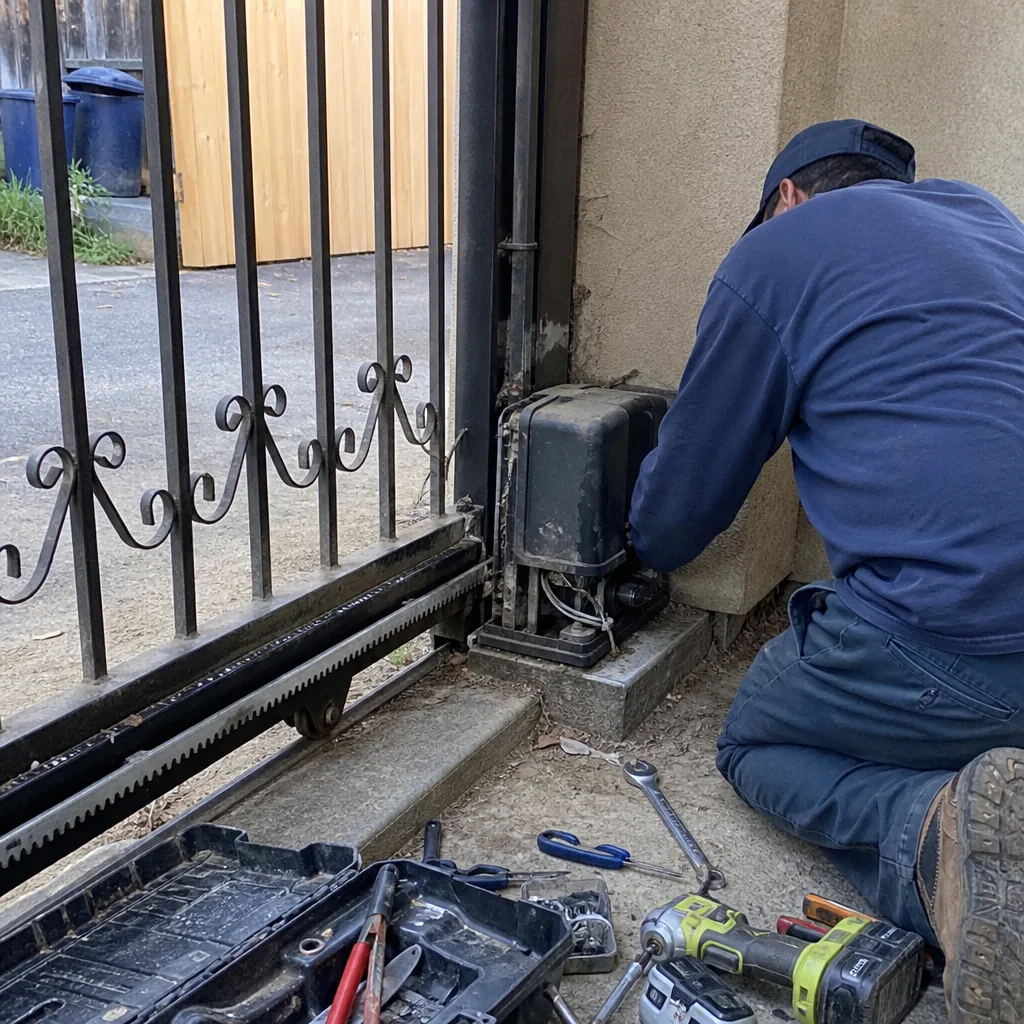 Before
 After
After