
Last updated October 16, 2026
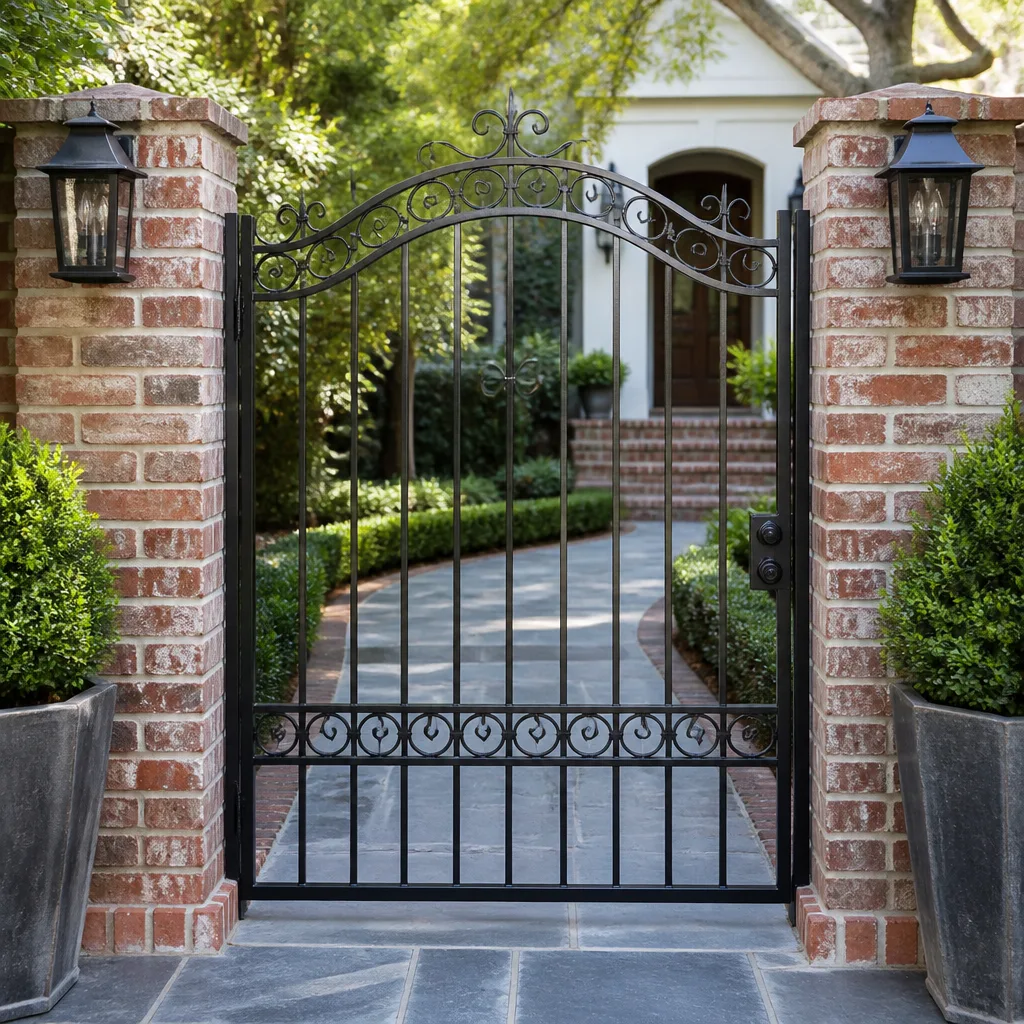 Wrought iron
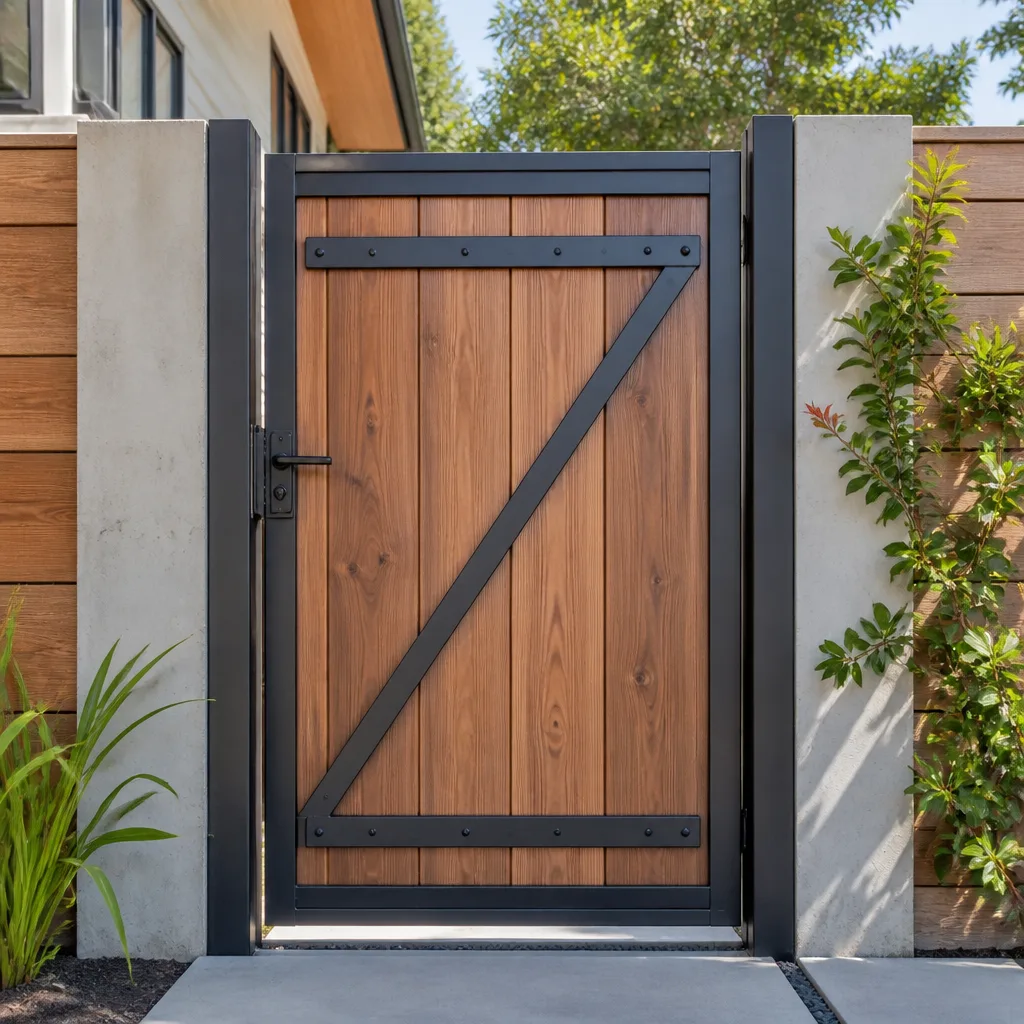 Wood & steel frame
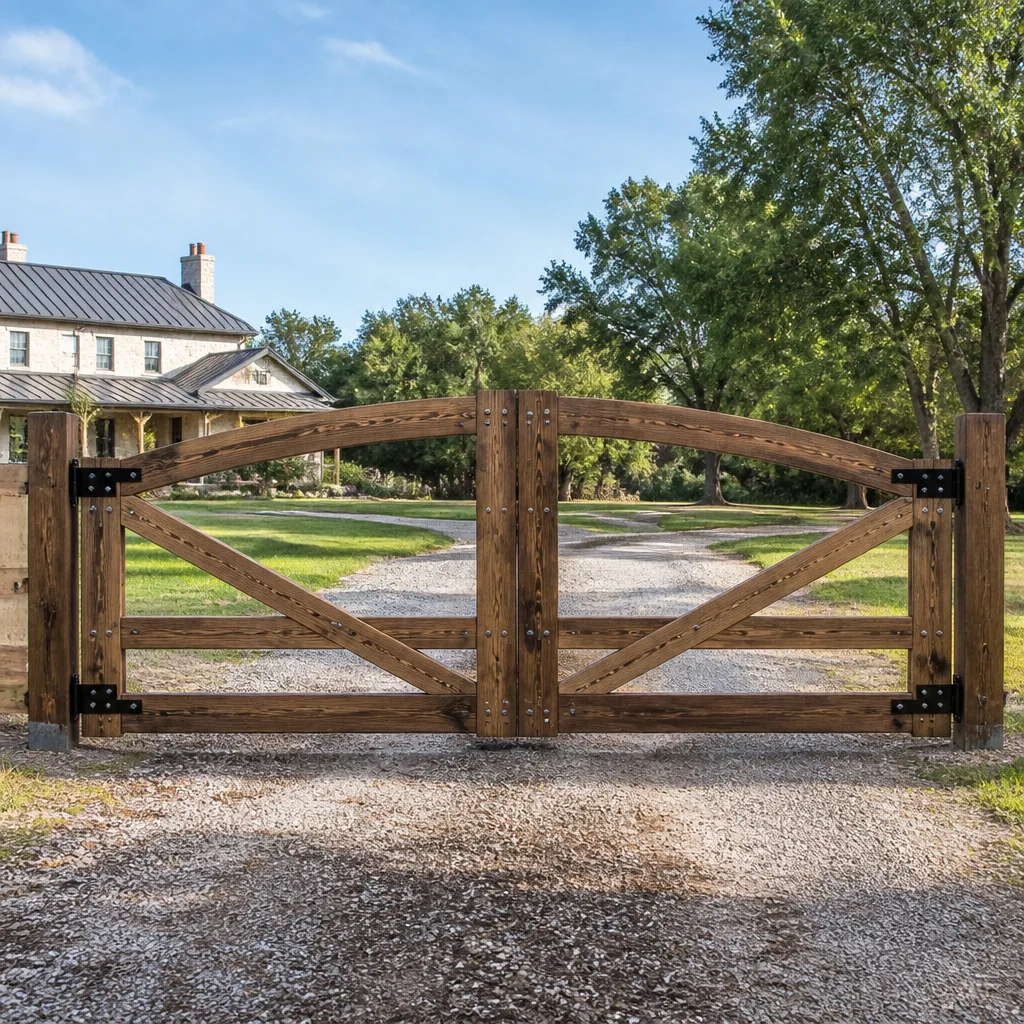 Farm & ranch
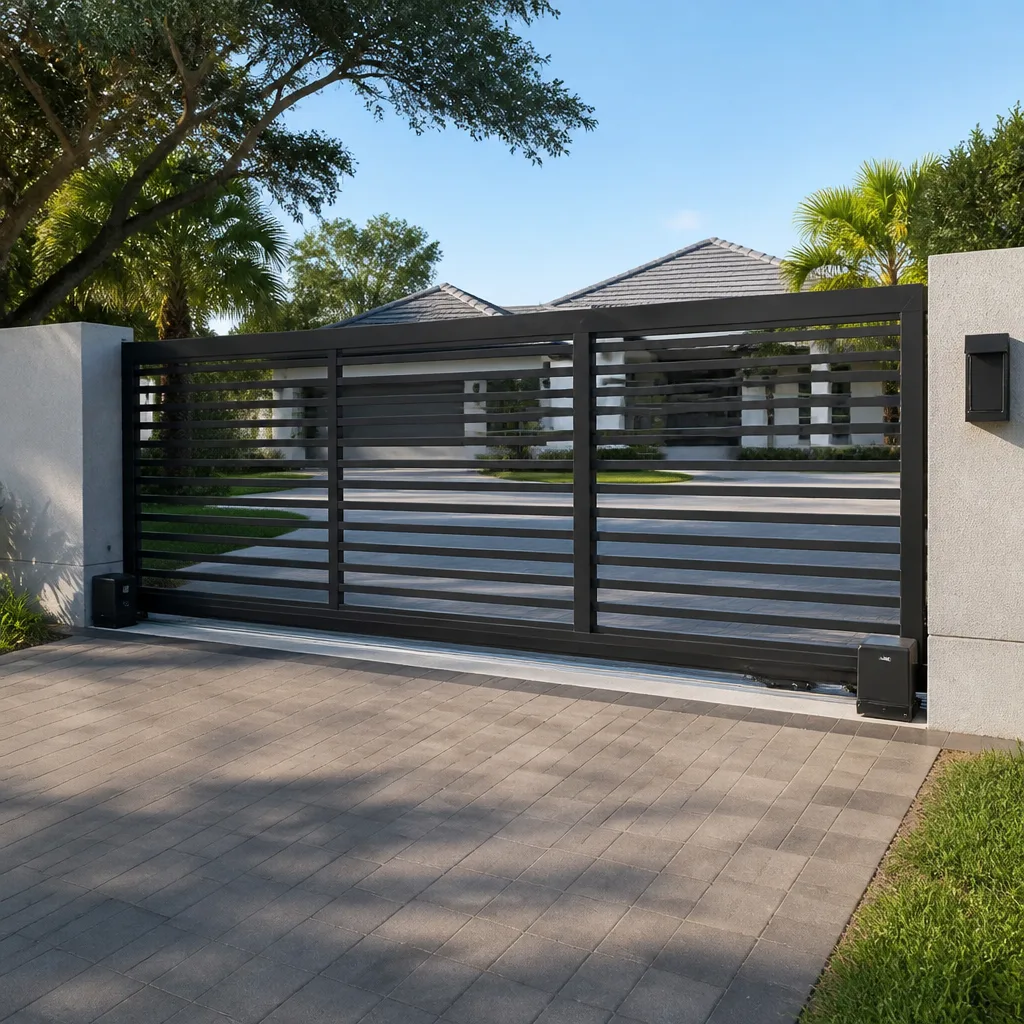 Sliding driveway gates
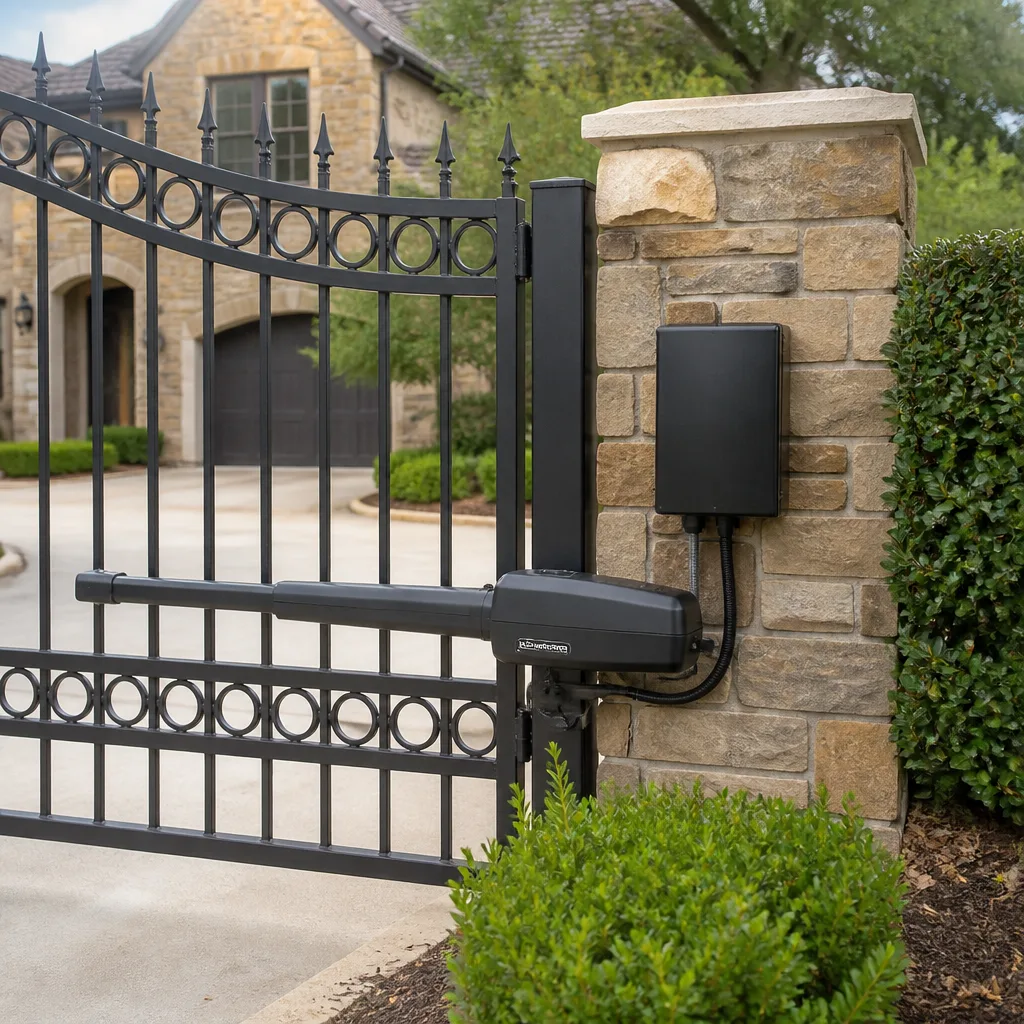 LiftMaster operators
Free on-site gate assessment - hinges, posts, and your LiftMaster or Nice gate operator checked before anything is quoted
The assessment is free and the quote is the invoice.
Get your free estimateGate Repair Permits, Codes & Inspections in CA: What You Need to Know
A San Jose homeowner decided to swap a tired swing gate for a modern slide gate. He hired a crew, paid cash, and enjoyed the new gate for two years. Then he sold his house in Willow Glen. Three days before closing, the buyer’s home inspector flagged the gate: no setback variance, no operator inspection record, no permit. The deal nearly fell apart over a gate that worked perfectly. The lesson: in California, the line between a repair and an alteration is thin, and it’s exactly where homeowners get burned. This guide maps that line so you know when to ask your contractor for documentation, and when a quiet fix is actually a legal problem waiting to surface.
Quick Answer
In California, like-for-like component repairs such as replacing a hinge, a wheel, a sensor, or an actuator on an existing permitted gate generally do not require a city permit. But changing the gate style, relocating a gate, adding automation to a manual gate, or installing a new operator on a slide gate can trigger San Jose permit and inspection requirements. If your HOA in communities like Silver Creek or Blossom Valley has CC&Rs governing gates, you may also need written HOA approval before any visible change. For a simple, documented repair, no permit is needed; for anything that changes the footprint, the height, the swing direction, or the power run, get it in writing first.
Styles & brands we work with
Table of Contents
- California’s Permit Landscape for Gate Work: Repairs vs. Alterations
- San Jose Municipal and California Building Code Sections That Apply
- The HOA Overlay: How CC&Rs Add a Second Approval Layer
- UL 325 and Gate Operator Safety: What It Requires
- How to Handle Unpermitted Gate Work From a Previous Owner
- The Paper Trail: What to Ask Your Gate Contractor For
- What Compliance Costs: Real Numbers for San Jose Gate Permits and Inspections
- Common Mistakes to Avoid
- When to Call a Professional
- Frequently Asked Questions
California’s Permit Landscape for Gate Work: Repairs vs. Alterations
California treats gate work under its general building code framework, but the real dividing line is between a repair and an alteration. A repair restores something to its original, approved condition. An alteration changes the structure, the footprint, the power load, or the safety profile of the gate system.
The California Building Code (CBC), Title 24, Part 2, requires permits for any work that involves structural changes, new electrical circuits, or changes to a building’s life-safety features. A gate that is part of a fence under 7 feet tall is usually exempt from height-based permits, but once you add a motor, the calculation changes. The operator’s power run, the gate’s mass, and the safety edge sensors become code-regulated items.
Here is the practical breakdown, based on what we see across San Jose every week:
- Hinge replacement on a swing gate: No permit. This is a like-for-like component swap.
- Wheel or track replacement on a slide gate: No permit, provided the track stays in the same location and the gate’s weight class does not change.
- Replacing an actuator on an existing operator: No permit. The actuator, the motorized arm that physically pushes the gate open, is a wear item.
- Replacing the operator itself with a newer model of the same type and power draw: Gray zone. Many San Jose inspectors consider this a repair if the mounting points and power circuit are unchanged. Some want it documented. When in doubt, call the city’s building division and ask in writing.
- Adding an operator to a manual gate: Permit required. You are adding a new electrical circuit and a regulated safety device.
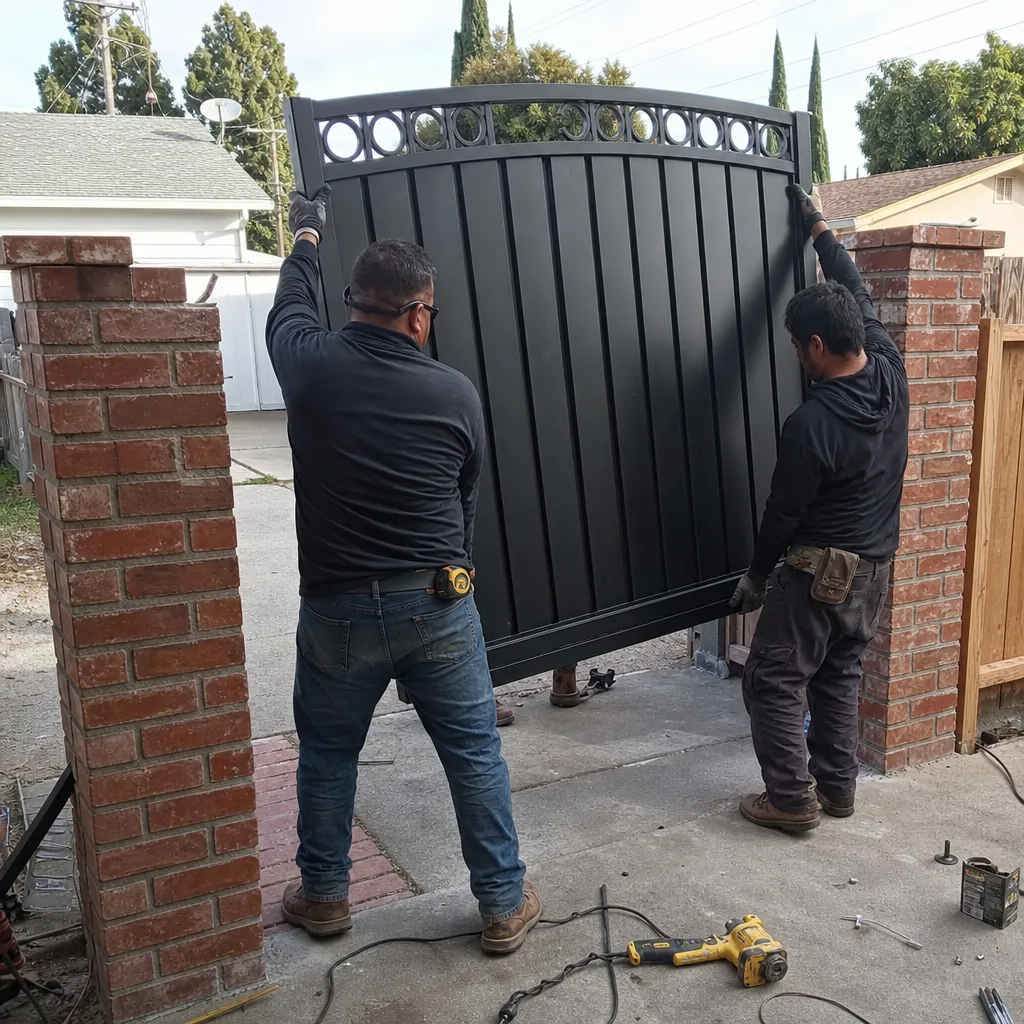
- Changing a swing gate to a slide gate: Permit required. The gate’s footprint, track, mounting posts, and setback all change.
- Raising a gate above 7 feet: Permit required in most San Jose zoning districts. Height over 7 feet triggers a different fence and gate review.
- Relocating a gate opening: Permit required. You are changing the site plan.
The homeowner in the Willow Glen example learned this the hard way. His slide gate conversion looked like a clean upgrade, but it changed the driveway setback, added a new power circuit, and removed the old swing gate’s hinge posts. All three of those are permit triggers.
One more California-specific note: if your gate is on a property line shared with a neighbor, the California Good Neighbor Fence Act and local setback rules may require written notice or agreement before you alter it. San Jose’s own municipal code also has provisions for sight triangles at driveways, which we address below.
San Jose Municipal and California Building Code Sections That Apply
San Jose operates under the California Building Code with local amendments in the San Jose Municipal Code, Title 24, and the city’s planning regulations. The sections that matter most for gates are:
- CBC Section 105.1: Requires a permit for any work that is not specifically exempted. Gate work becomes permit-eligible when it involves structural support, new electrical, or changes to life-safety components.
- CBC Section 3109: Governs pedestrian and vehicular gates around pools and other barriers. This is where the self-closing, self-latching hardware requirements come from for pool access gates.
- San Jose Municipal Code Section 24.xx (Fences and Walls): San Jose regulates fence and gate height by zoning district. In most residential zones, a gate up to 7 feet is permitted by right; over 7 feet requires planning review. We tell customers in Almaden Valley and Evergreen to check this before replacing a tall gate.
- Sight triangle rules: San Jose requires a clear sight triangle at driveway openings so drivers can see pedestrians and traffic. A solid slide gate set too close to the sidewalk can violate this, even if the gate height is fine. The city can require you to replace a solid gate with a partial open view design, or to setback the gate further.
- UL 325 compliance: As of 2016, the CBC references UL 325 for all new gate operator installations. San Jose inspectors verify this on any permitted operator install. More on UL 325 below.
Here is a step-by-step for determining whether your specific project needs a San Jose permit:
- Confirm the gate’s current height. Under 7 feet, mostly exempt from height review. Over 7 feet, assume planning review.
- Identify whether you are changing the gate style, the location, or the power. If any one of those three changes, it is not a like-for-like repair.
- Check your property’s zoning. San Jose’s online zoning map will tell you your district and any overlay rules. If you are in a historic district, such as portions of Naglee Park, additional design review can apply even to a gate visible from the street.
- Call the San Jose Building Division. Ask specifically: “Is what I am describing a repair or an alteration under San Jose code?” Get the answer by email so you have a record.
- For any operator work, ask the contractor to include a UL 325 certification sheet with the permit application. Inspectors look for it.
We have helped customers in the Rose Garden and Willow Glen neighborhoods sort through exactly this. In our experience, San Jose building inspectors are generally reasonable when the work is properly documented and the safety devices are in place. The problems arise when work is done without documentation and then discovered later.
For repair work that stays like-for-like, our Gate Repair in San Jose page explains the typical repair process and timelines.
The HOA Overlay: How CC&Rs Add a Second Approval Layer
City permits and HOA approval are two separate systems. A city permit says the gate is safe and code-compliant. HOA approval says the gate matches the community’s architectural standards. In San Jose, communities like Silver Creek, Blossom Valley, and parts of Almaden have CC&Rs that are often stricter than the city.
A common example: Silver Creek’s CC&Rs specify gate materials, colors, and even the direction of the pickets. You can have a fully permitted slide gate that the city approves, and the HOA can still require you to remove or modify it if the design was not pre-approved. We have seen this happen more than once.
HOA approval typically adds a few weeks to a project. Here is how it works:
- Submit the gate design and material specs to the HOA’s architectural review committee. Include the manufacturer’s cut sheet for the operator, not just a sketch of the gate.
- Wait for written approval. Many HOAs respond within 30 days, but some take up to 60. Do not order materials or schedule installation until you have the approval letter in hand.
- File for a city permit, if required. The HOA approval letter is not a substitute for a building permit, and vice versa.
- Keep both documents with your closing paperwork. When you sell, the buyer’s inspector will ask for them. Having the HOA letter and the city permit makes the sale cleaner.
- Class I: Residential vehicular gate operators. These are the most common for San Jose single-family homes.
- Class II: Commercial or general public access, like a parking garage gate.
- Class III: Industrial or limited access, like a warehouse yard.
- Class IV: Restricted access, like a prison or airport perimeter.
- Ask for the operator manufacturer’s spec sheet. LiftMaster, FAAC, and BFT all publish UL 325 compliance documentation.
- Ask what entrapment protection devices will be installed. If the answer is vague, that is a red flag.
- Ask whether the installation includes contact edges or photoelectric sensors. A residential slide gate needs both the operator’s built-in obstruction sensing and an external device like a photo eye pair.
- Ask for a signed UL 325 installation checklist. Reputable installers fill one out after every operator install.
- Pull the property’s permit history. San Jose’s online building permit portal lets you search by address. Look for any permit associated with a fence, gate, or electrical circuit. If you find none and the gate is clearly newer than the oldest house records, assume unpermitted.
- Determine what compliance the gate actually needs. If the gate is a manual gate under 7 feet with no electrical, it may need nothing beyond a visual check. If it has an operator, it needs UL 325 verification.
- Have a licensed professional inspect the gate and operator. This is not a handyman job. A gate operator that was wired incorrectly can be a shock hazard and a pinch hazard. A thorough inspection will document what exists, what is safe, and what is not.
- If the gate is safe but unpermitted, decide whether to voluntarily permit it. Some homeowners choose to leave it alone until they sell. Others prefer to clear the record now. The city’s after-the-fact permit process is less painful than most people assume, especially for gate work.
- Keep the inspection report with your home file. When you sell, you can show the buyer’s inspector a professional third-party assessment, which is far better than having no documentation at all.
- A written quote before any work starts. The price should be itemized: the gate component, the labor, the safety devices, and any permit fees. A company that will not commit to a written price before touching a bolt is not one you want on the property. At Portcullis Gate Repair San Jose, we write the price out first, always.
- A written description of the repair. This should list the specific parts replaced, the brand and model of the operator if one is installed, and the safety devices added. This document becomes part of your home’s maintenance record.
- A written guarantee. The guarantee should state what is covered, for how long, and what happens if the repair fails. Our 365-Day Done Right Promise is stamped on every repair invoice: if the repair fails inside one year, we come back and fix it at no charge.
- Any permit application or city inspection record, if applicable. If the job required a permit, the contractor should provide the permit number and the final inspection sign-off.
- Assuming all gate work is permit-exempt. We hear “it’s just a gate” every month. A new operator, a style change, or a relocated opening is an alteration, not a repair. When in doubt, ask the city in writing.
- Ignoring the HOA until the gate is installed. Silver Creek, Blossom Valley, and several other San Jose communities enforce design rules aggressively. A fully permitted gate can still violate HOA standards.
- Skipping UL 325 safety devices to save money. A residential operator without proper entrapment protection is a liability. If the gate closes on a child or a cyclist, the lack of documented safety devices becomes a central issue in any claim.
- Paying cash with no written scope and no written guarantee. If there is no paperwork, there is no proof the work was done, by whom, or to what standard. At resale, that missing paper trail can stall a closing.
- Reusing an old power circuit for a new, larger operator. A bigger operator on an undersized circuit will trip breakers and can overheat the wiring. This is a common cause of intermittent gate failures in older San Jose homes.
- Installing a solid gate that blocks the driveway sight triangle. San Jose enforces sight clearance at driveway approaches. A solid slide gate set too close to the sidewalk can be ordered removed or replaced.
- Accepting a verbal price and paying the final invoice without reading it. The price should be written, itemized, and agreed before any work begins. If the final number is higher than the written quote and no change order was signed, you should not pay the difference without an explanation.
The costly mistake is assuming that if the city does not require a permit, the HOA will not care. An unapproved gate in a community with active CC&R enforcement can become a fine, a lien, or a forced removal. If you live in Silver Creek or another deed-restricted community in San Jose, check the CC&Rs before you spend a dollar.
One more piece of practical advice: if your HOA has an online portal, submit the architectural application through the portal and save the confirmation. A written record of the request, the approval, and the installed product all become part of your home’s file. This is exactly the kind of documentation a buyer’s inspector wants to see during a resale in a market like San Jose’s, where most buyers are financing the purchase and the lender’s appraiser may flag non-conforming improvements.
UL 325 and Gate Operator Safety: What It Requires
UL 325 is the national safety standard for gate operators and vehicular barrier equipment. It governs how a gate operator detects obstructions, how much force it can apply, and what safety devices must be installed. California adopted it into the CBC, which means San Jose inspectors enforce it on permitted operator installations.
The core of UL 325 is simple: a moving gate should stop and reverse when it encounters a person, a pet, or a car. The standard defines four classes of operation:
For a Class I residential operator, UL 325 requires at least two independent means of entrapment protection. That usually means a primary device, like an encoder inside the operator that senses resistance and reverses, plus a secondary device, like photoelectric sensors or contact edges on the gate.
We see a lot of older San Jose homes where the operator was installed in the 1990s or early 2000s with a single safety device, or none at all. Those operators predate the current UL 325 requirements. If you replace that operator today, the new unit must be installed with the full safety package. That is not optional: the inspector will look for it.
How to verify your contractor follows UL 325:
One important liability note: if your gate is involved in a personal injury claim, the first thing an attorney will request is proof that the operator met UL 325 at the time of installation. If the operator was replaced without documentation, you are exposed. This is not a theoretical concern in California, where premises liability law is active and gates occasionally injure cyclists or pedestrians near the sight triangle.
For homeowners who need an operator replaced on an existing gate, our Electric Gate Repair in San Jose page covers the most common operator failures and how we handle them.
How to Handle Unpermitted Gate Work From a Previous Owner
You bought a house in San Jose, and a year later you notice the gate operator has no inspection sticker, no permit record, and the wiring looks aftermarket. Or your new neighbor tells you the previous owner installed the slide gate herself. Now what?
First, do not panic. Unpermitted gate work is common across the state, and the city is generally not going to show up on its own. The issue surfaces during a sale, an HOA dispute, or an insurance claim. Here is a step-by-step for getting it resolved:
One scenario we see in San Jose: the previous owner installed a gate operator that draws too much current for the existing circuit. The result is a tripped breaker every few weeks, a scorched outlet, or a gate that stops halfway. That is a code issue and a safety issue. The fix is usually a dedicated circuit and a permitted electrical sign-off, which is a straightforward job for a licensed electrician working alongside a gate service.
If you have a gate you think may be unpermitted, the honest advice is to get it inspected before you list the house. The cost of a professional inspection is far less than the cost of a delayed closing.
The Paper Trail: What to Ask Your Gate Contractor For
When you hire a gate company in San Jose, the paperwork matters as much as the work. We suggest you ask for four things on every job, regardless of whether a permit is required:
Here is the uncomfortable truth: many gate companies in California do excellent mechanical work but keep terrible records. When a homeowner in a transaction needs to show the buyer’s inspector a repair history, the house has none. We have helped customers in the Cambrian and Willow Glen areas reconstruct repair histories from receipts and equipment serial numbers, and it is always harder than keeping good records from day one.
For installations, a good contractor will also include a copy of the UL 325 compliance form and the operator manufacturer’s warranty registration. LiftMaster, FAAC, BFT, and Linear all register warranties by unit serial number, and the registration itself becomes proof of a professional installation.
What Compliance Costs: Real Numbers for San Jose Gate Permits and Inspections
Here are the line-item costs we tell customers to expect in San Jose, based on current permit fee schedules and typical contractor pricing. These are planning numbers, not quotes:
| Item | Typical Range in San Jose |
|---|---|
| Residential building permit for a gate alteration (no electrical) | $250 – $500 |
| Electrical permit for a new operator circuit | $150 – $400 |
| City inspection fee (first and second visit) | Included in most permit fees; reinspection $100 – $200 if needed |
| Contractor’s permit management time (filing, scheduling, meeting inspector) | $200 – $500 depending on complexity |
| UL 325 compliant operator package (operator, photo eyes, contact edge, warning signage) | $1,800 – $3,500 installed on an existing slide gate |
| HOA architectural review fee (if your community charges one) | $50 – $250 depending on the HOA |
| Professional inspection of an existing unpermitted gate (no repair work) | $150 – $350 |
The permit itself is the cheapest part. What adds cost is the professional time to prepare the drawings, file the paperwork, and meet the inspector. That is why some contractors quietly suggest skipping the permit. Do not accept that. The contractor who skips the permit to save you $400 is creating a $4,000 problem at resale.
A realistic budget for a permitted slide gate operator replacement in San Jose, including the operator, safety devices, permit, and inspection, is $3,000 to $5,500. A like-for-like actuator swap with no permit might run $1,800 to $2,800 parts and labor. The difference is the documentation and the safety package.
If you are considering a full gate installation, our Gate Installation in San Jose page walks through what a complete permitted install includes.
Common Mistakes to Avoid
When to Call a Professional
Most gate repairs are not a DIY weekend project. A swing gate can weigh 300 to 800 pounds, and the springs and hinges are under constant tension. A slide gate carries its weight on rollers that wear unevenly and can bind without warning. An operator involves line voltage, control boards, and safety sensors. If your gate is sagging, binding, making new noises, or closing too fast, call a professional before the component fails completely. For context on what these symptoms might indicate, see our Gate Repair Warning Signs: A San Jose Homeowner’s Reference Guide.
You should also call a professional if you have discovered unpermitted work, if your gate does not pass a visual safety check, or if you are selling your home and need a documented inspection on file. Portcullis Gate Repair San Jose offers our Gate Repair services with free estimates in San Jose. Call (669) 800-5686 and a live person will answer, day or night. We will give you a written price before any work starts, and every repair carries our 365-Day Done Right Promise.
Frequently Asked Questions
Like-for-like component repairs, such as replacing a hinge, wheel, sensor, or actuator on an existing gate, do not require a city permit in San Jose. Changing the gate style, adding a new operator, relocating a gate opening, or modifying the electrical circuit does require a permit. If you are unsure, call the San Jose Building Division and get the answer by email. For a documented repair that stays like-for-like, call (669) 800-5686 for a free written estimate.
Yes, in most deed-restricted San Jose communities, such as Silver Creek and Blossom Valley, you need written HOA architectural approval before changing a gate’s appearance, height, or style, even if the city does not require a permit. Submit the gate design and operator specs to the HOA before ordering materials. A city permit and an HOA approval are two separate requirements.
UL 325 is the national safety standard that requires gate operators to detect obstructions and reverse before causing entrapment or injury. California adopted it into the building code, so any new operator installed in San Jose must include compliant safety devices like photo eyes or contact edges. If your gate was installed before the current UL 325 rules, a new operator must meet today’s standard. Call (669) 800-5686 if you want a UL 325 check on your existing operator.
Start by pulling the property’s permit history from San Jose’s online portal. Then have a licensed professional inspect the gate and operator for safety and code issues. If the gate is safe but unpermitted, you can either leave it documented in your home file or file an after-the-fact permit. A professional inspection report is the single best document to show a buyer’s inspector during a sale. Estimates for gate inspections are free at (669) 800-5686.
Expect $250 to $500 for a residential building permit for a gate alteration, plus $150 to $400 for an electrical permit if a new operator circuit is added. Contractor permit management time adds $200 to $500. The permit fee itself is modest; the professional time to file, schedule, and meet the inspector is where most of the cost sits.
Yes. San Jose enforces sight triangle rules at driveway approaches, and a solid slide gate set too close to the sidewalk can be ordered removed or replaced with a more open view design. If you are planning a new solid gate, check the setback requirements before you build. For a free assessment of your existing gate’s position and compliance, call (669) 800-5686.
The Bottom Line
For more guides & resources, explore our blog. California gate permit rules are not a simple yes or no. A like-for-like repair is usually exempt. An alteration, a new operator, or a style change is not. The San Jose building code adds height, setback, and sight triangle requirements on top of the state rules. UL 325 governs operator safety, and HOAs in communities like Silver Creek add a second approval layer. The homeowner who gets burned is usually the one who did the work without a paper trail. The fix is simple: get it in writing, keep it in your home file, and ask your contractor for a written price and a written guarantee before any work begins. If you want a straight answer about your gate, call Portcullis Gate Repair San Jose at (669) 800-5686. We will tell you what you need, in writing, before you spend a dollar.
Written by Dean Prescott, Owner at Portcullis Gate Repair San Jose, serving San Jose since 2008.
See the difference
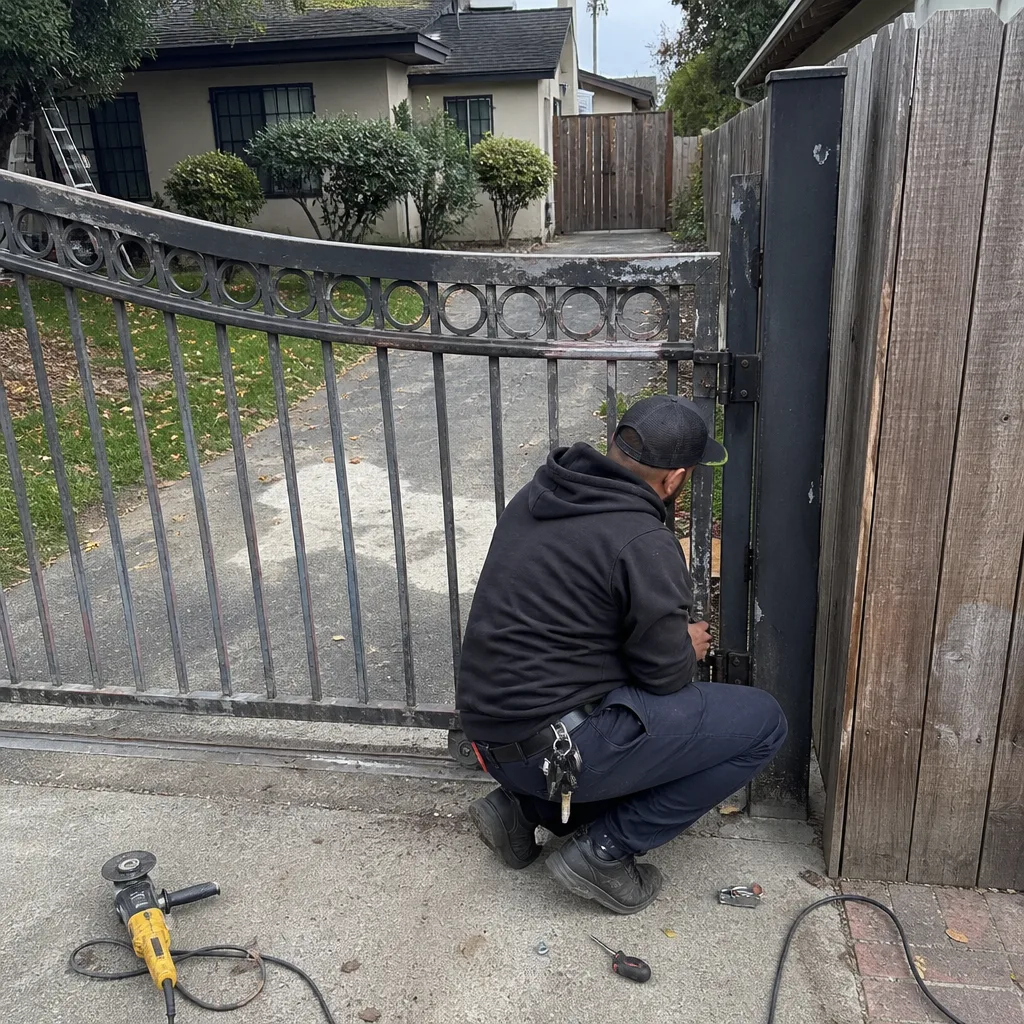 Before
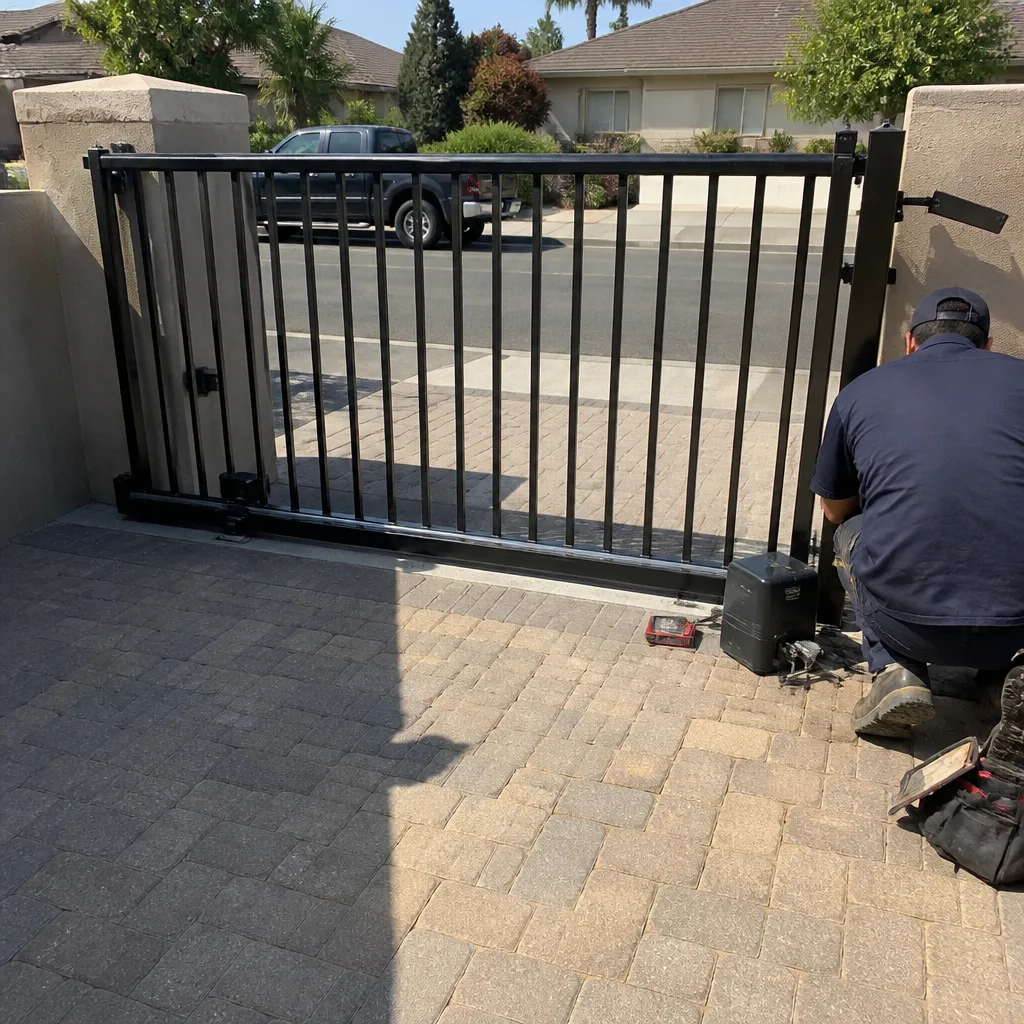 After
After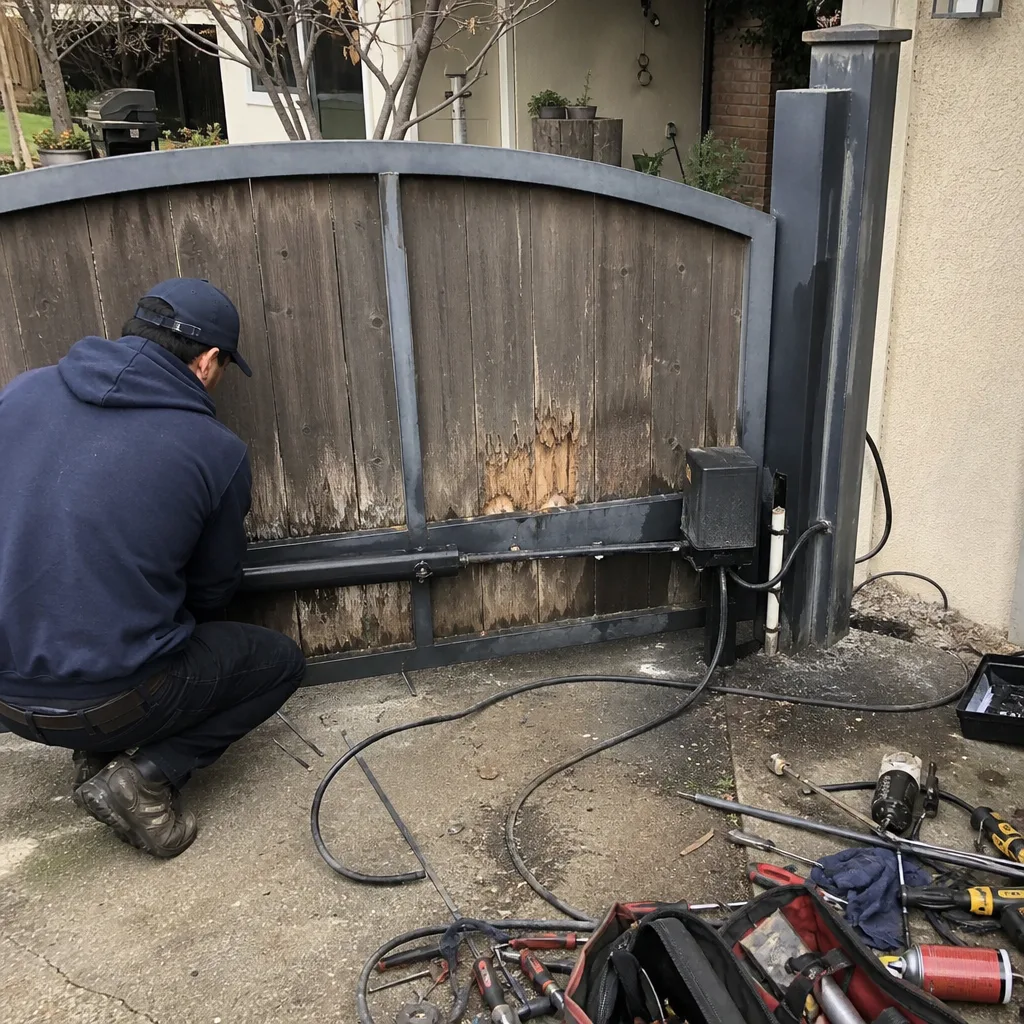 Before
 After
After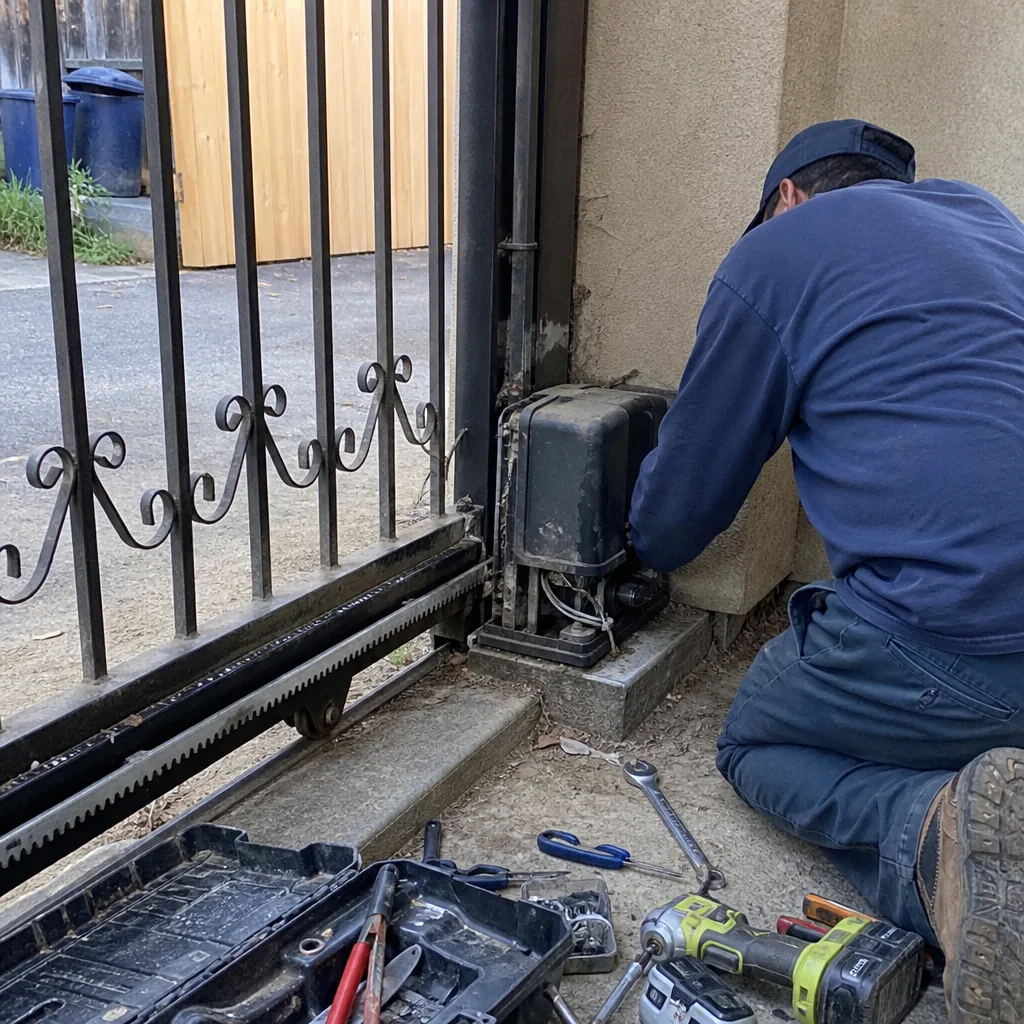 Before
 After
After