
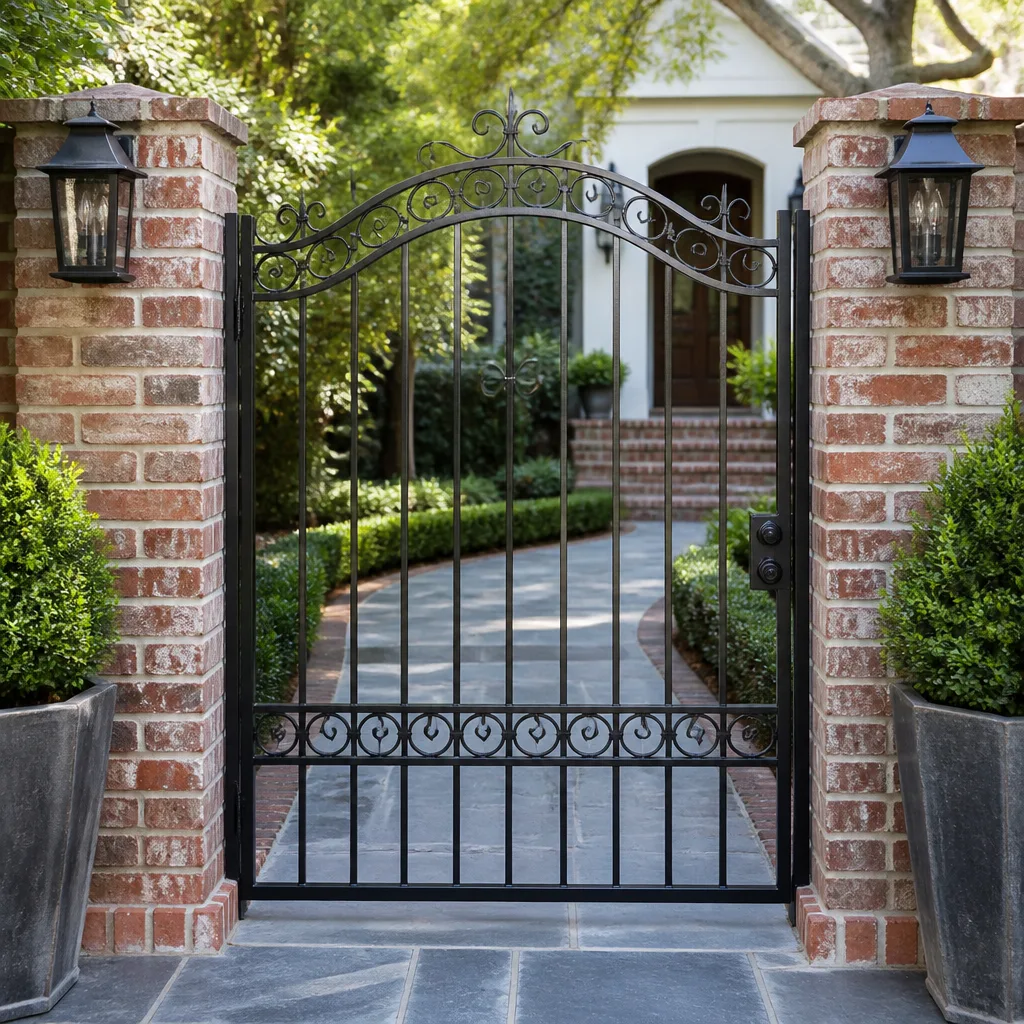
 Wrought iron
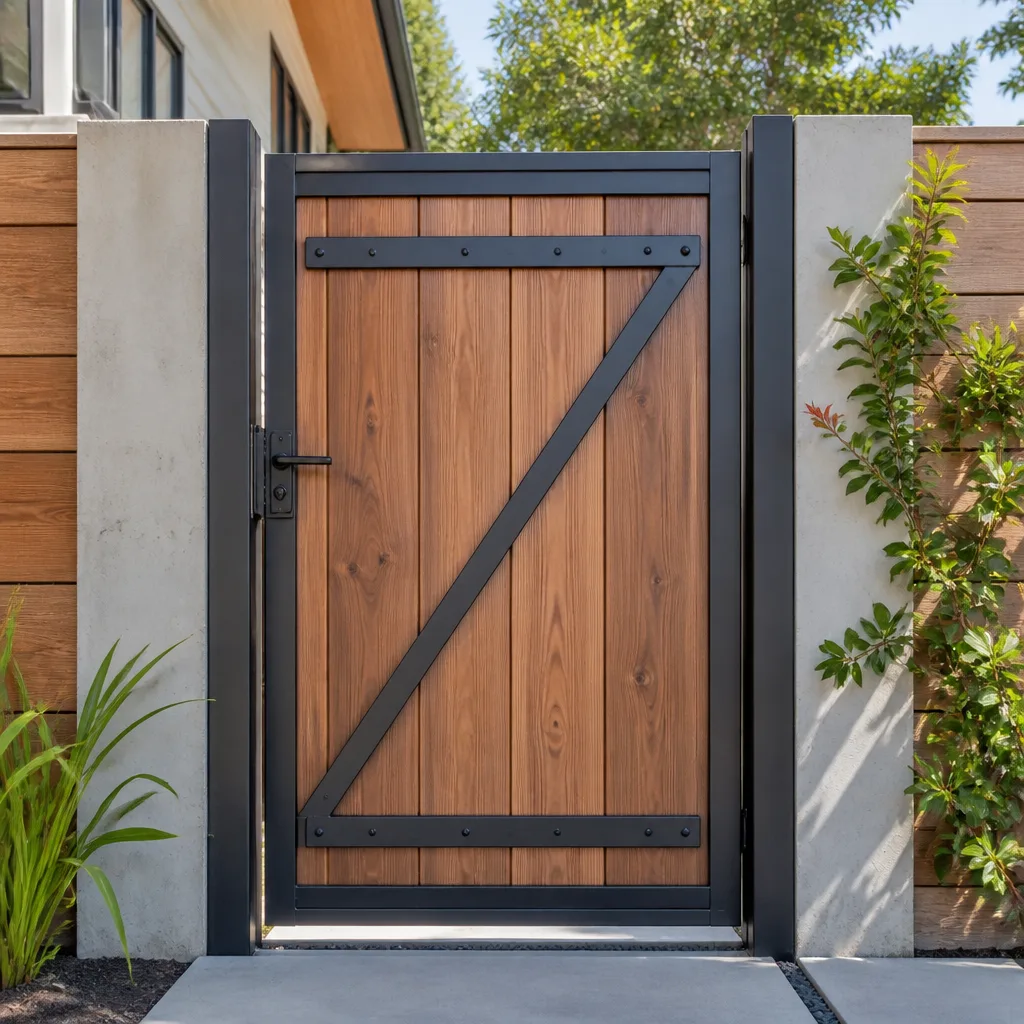 Wood & steel frame
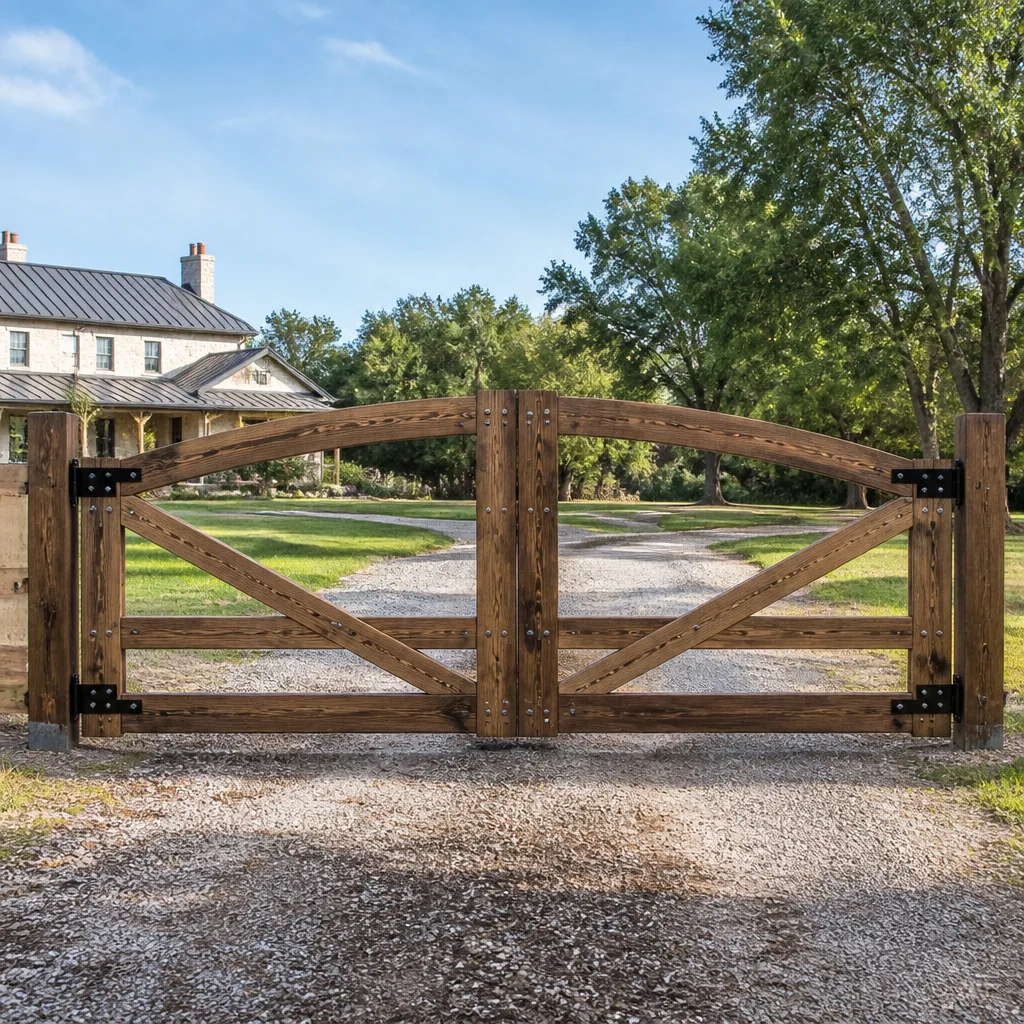 Farm & ranch
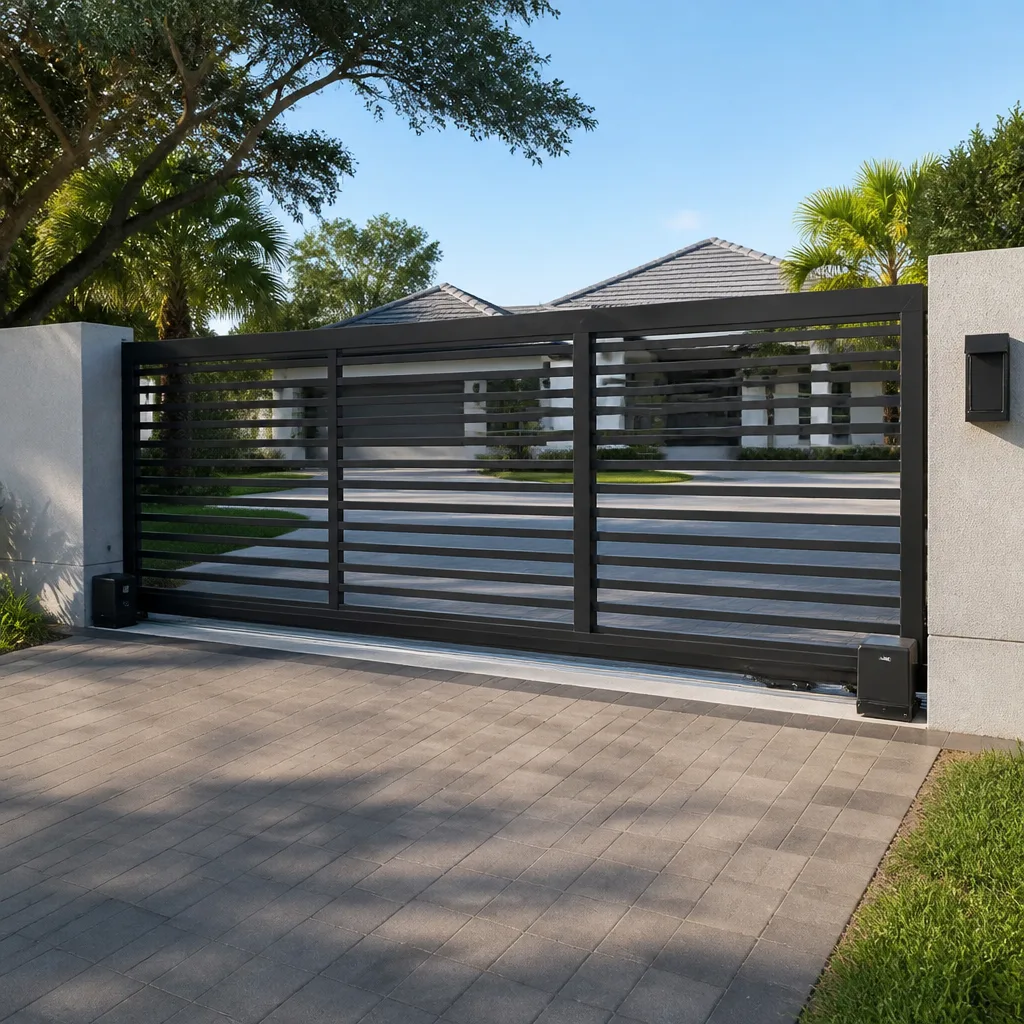 Sliding driveway gates
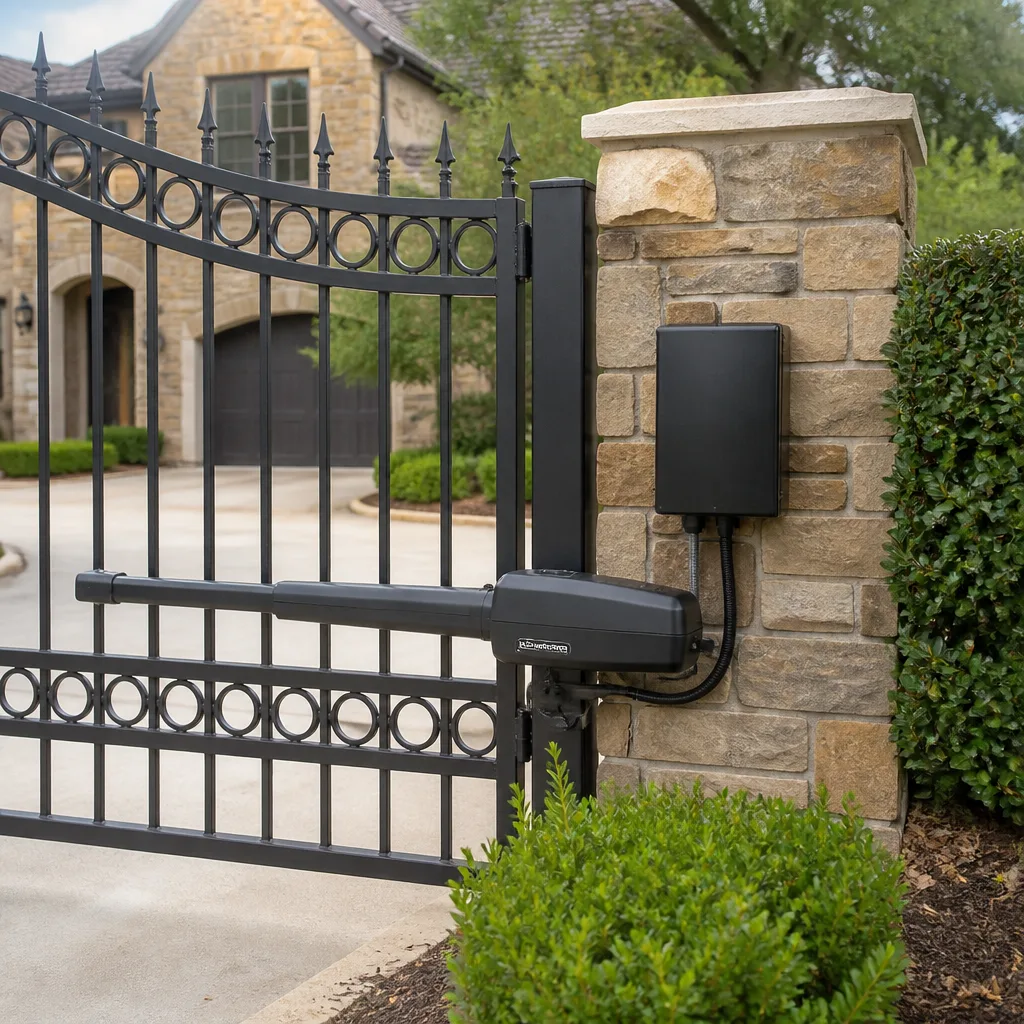 LiftMaster operators
Free on-site gate assessment - hinges, posts, and your LiftMaster or Nice gate operator checked before anything is quoted
The assessment is free and the quote is the invoice.
Get your free estimateBFT Access Control Installation: The San Jose Owner’s Guide
BFT access control installation in San Jose typically runs $380 – $850 installed, depending on which board, receiver, or keypad your system needs, and most swaps are completed in a single visit. We stock BFT-compatible receivers, plug-in radio cards, keypads, and control boards on the truck, so a failed access control component rarely means waiting on a parts order. The usual story we hear: the remote worked yesterday, the keypad has been flickering for a week, or the gate suddenly only opens from the button inside the house.
If you’re reading this, you probably already know something in the access control chain stopped talking to the operator. That’s the system that decides who gets in: the remote receiver, the keypad, the intercom, the loop detector, or the board that ties them all together. The good news is BFT runs a fairly modular setup, so you rarely replace the whole thing. The honest part: matching the right generation matters, and that’s where most San Jose owners get stuck.
Which BFT Models This Applies To
BFT has been building gate operators for decades, and their access control line spans several generations. The parts we install most in San Jose cover the Deimos, Phobos, Rigel, and Botticelli operator series, plus the older Aries and Eos boards still turning up on properties built in the 1990s and early 2000s. The keypad side usually involves the BFT Mitto or Tastiera lines, and receiver work often means the BFT Clonix or built-in radio cards that slide into the operator’s control housing.
Here’s the compatibility gotcha BFT owners learn the hard way: BFT changed receiver and photo-eye communication protocols around 2012, so a remote or card reader that worked on a 2008 Botticelli won’t necessarily talk to a newer Deimos board. The quick way to identify what you have is to open the operator cover and read the model label on the control board itself, not the sticker on the metal housing. Housing stickers get painted over, sun-faded, or swapped between systems. The board label tells us the generation and what access control components it will actually accept.
On the OEM versus aftermarket question: for BFT access control specifically, we lean OEM or direct-BFT-compatible parts rather than universal aftermarket boards. BFT’s wiring logic and antenna placement aren’t as forgiving as a LiftMaster or Mighty Mule when you drop in a generic receiver, and the last thing you want is a gate that opens for the neighbor’s garage remote. We do stock quality aftermarket Clonix-compatible remotes when the OEM version is backordered, but the receiver, keypad, and board itself stay brand-correct.
Styles & brands we work with
Signs Your BFT Access Control Installation Is Failing
- Remote works only from 10 feet away or less. This usually points to a failing receiver antenna or a radio card that’s lost its sensitivity over time. In San Jose, we also see interference from nearby solar inverters or newer smart-home mesh routers sitting too close to the operator housing.
- Keypad buttons need multiple presses, or the backlight stays off. The membrane on BFT Tastiera keypads wears unevenly, especially on the buttons used daily. Once the membrane starts cracking, moisture gets into the contacts and the board inside corrodes slowly.
- Gate opens randomly, or a remote from another house triggers your gate. This is a receiver programming issue or a Clonix card that’s drifted out of its code table. It’s not just annoying, it means your system is accepting a signal it shouldn’t.
- Entry system works from the street but not from the house button, or vice versa. This splits the problem cleanly: the access control input is fine, but the wired input path on the control board has failed. Often it’s a burned relay or a loose terminal strip after years of gate vibration.
- After a power outage, nothing responds except the manual release. BFT boards have a startup sequence, and a weak capacitor or failing memory chip on the board will drop programmed remotes and keypad codes when power cuts out. If you’re reprogramming remotes every few months, the board is telling you it’s on the way out.
See the difference
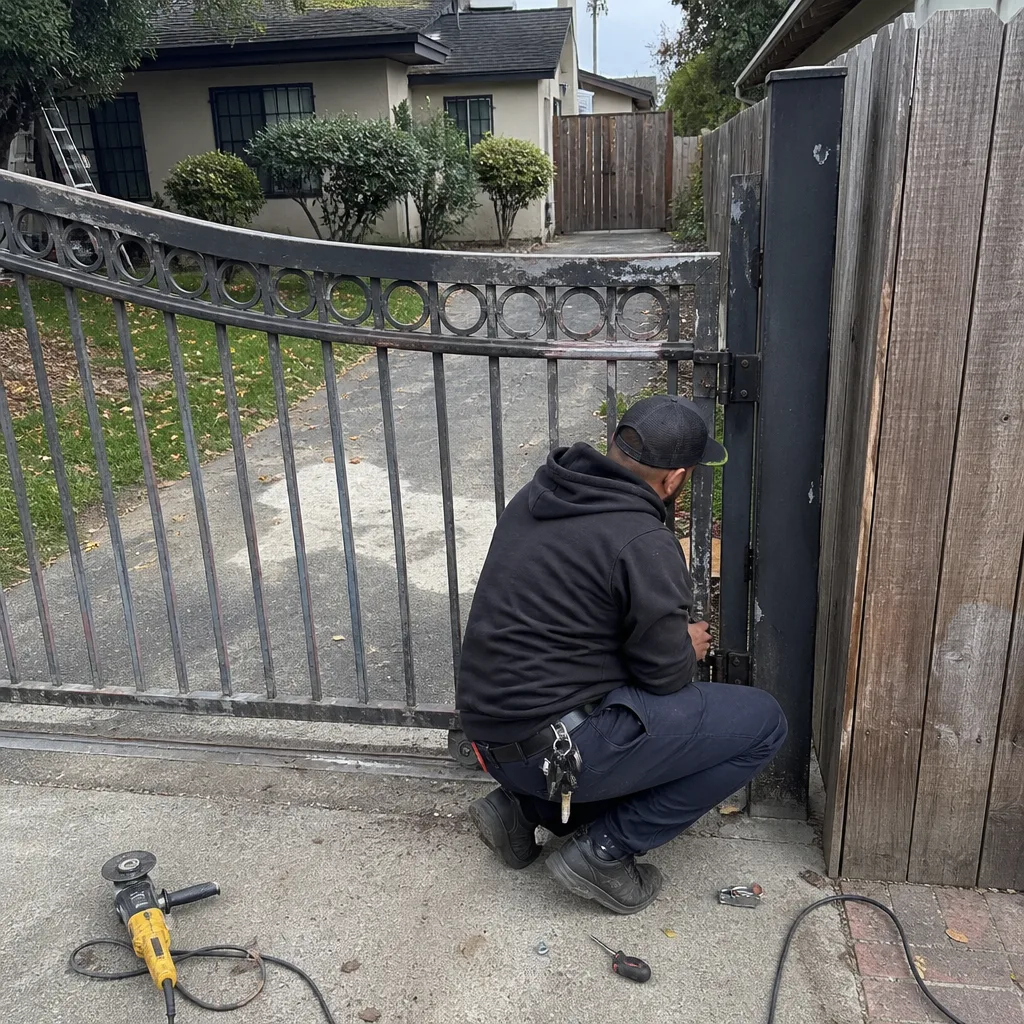 Before
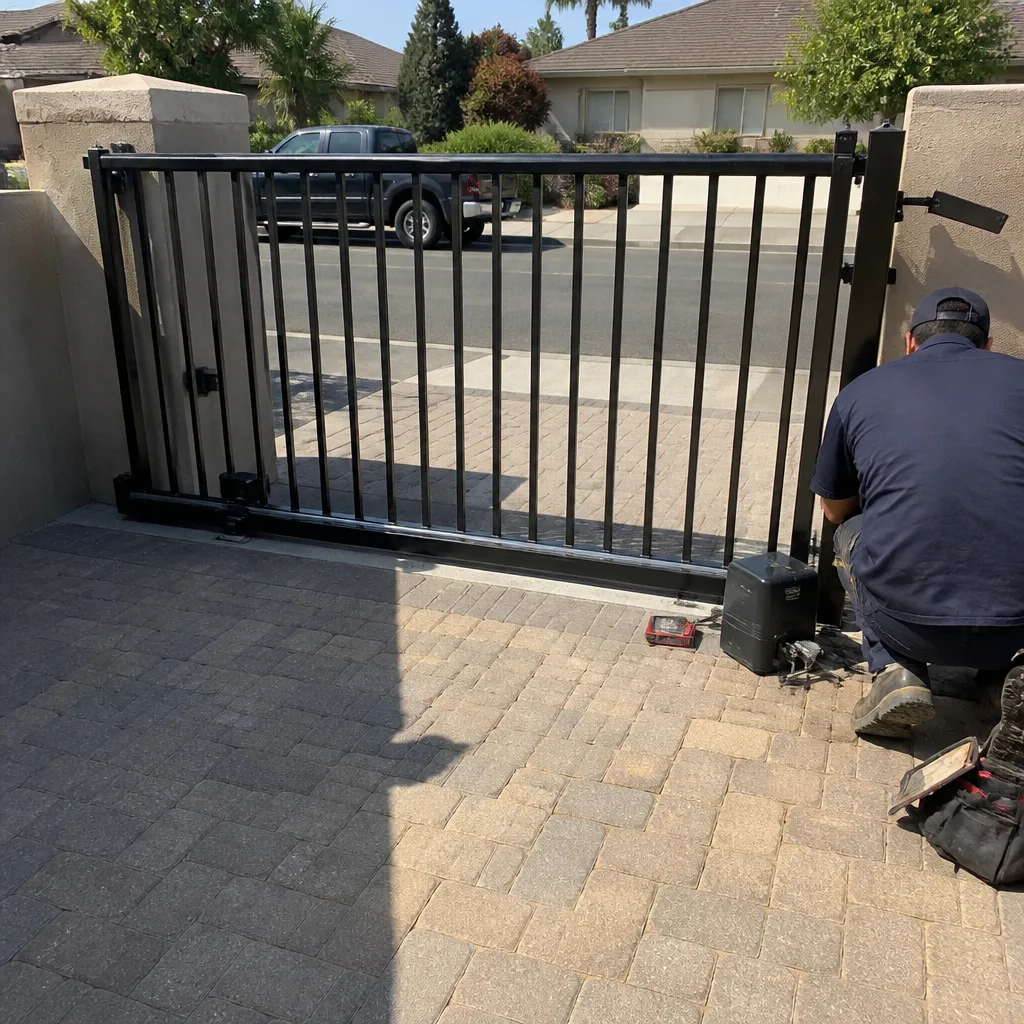 After
After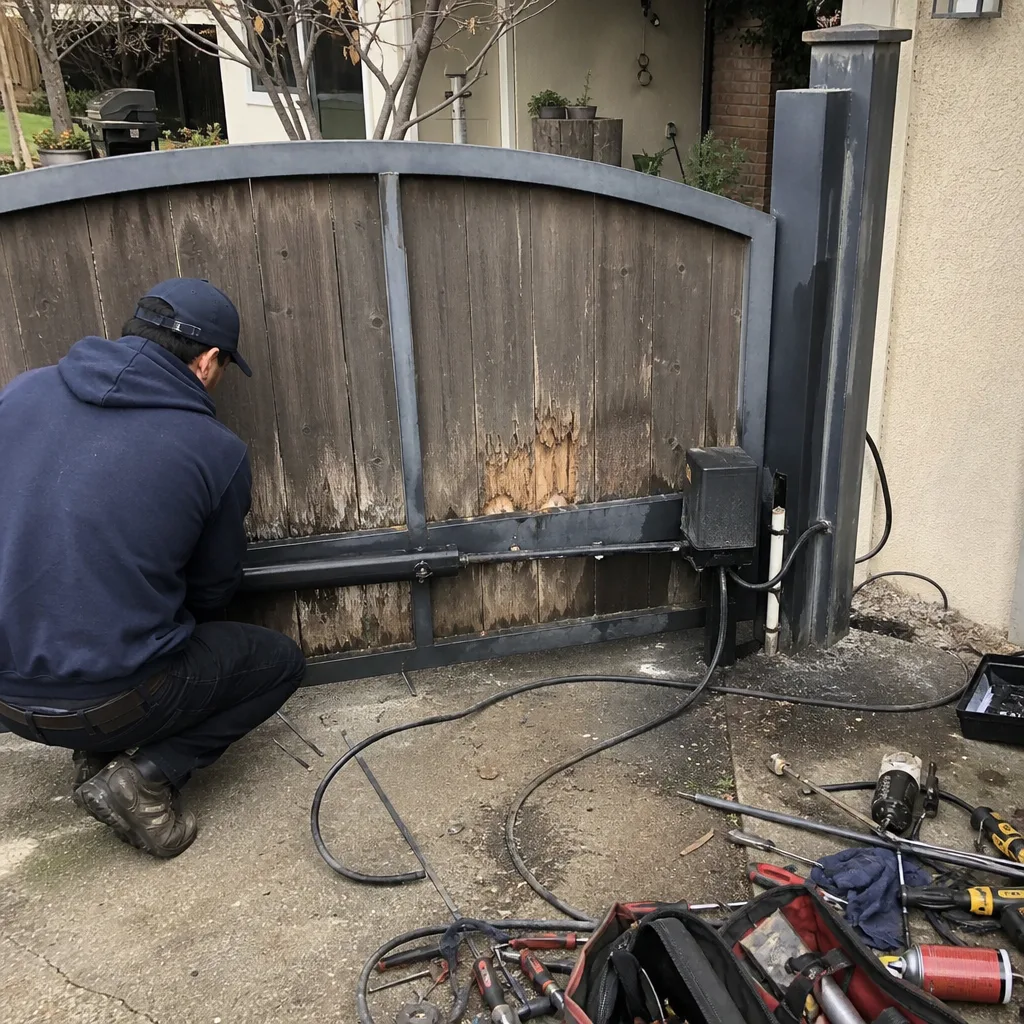 Before
 After
After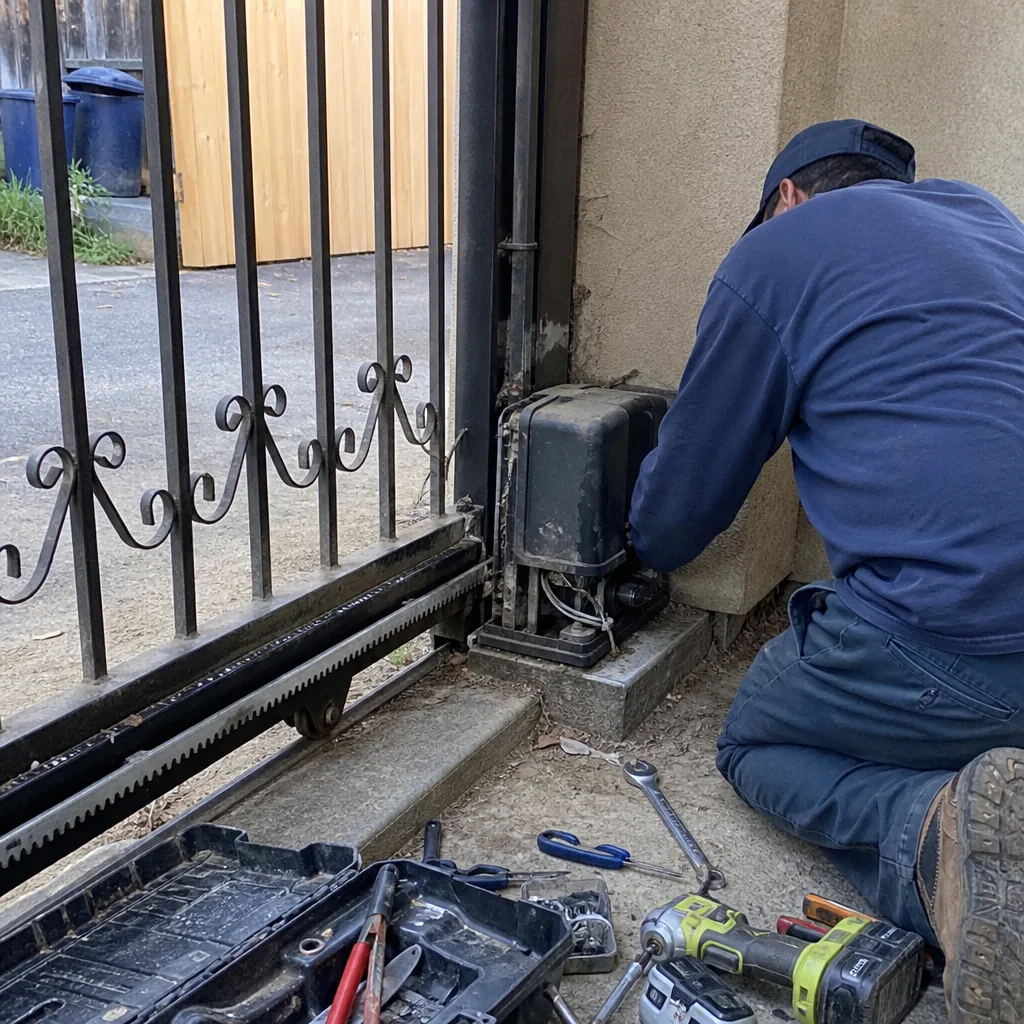 Before
 After
AfterReplacement Cost & What’s Included
For most BFT access control work in San Jose, here’s the real installed range based on what we see week to week:
- Replacement remote or Clonix-compatible transmitter: $45 – $90 programmed and tested on-site
- Radio receiver card swap (Clonix or newer generation): $190 – $320 parts and labor
- Keypad replacement (Tastiera series, wired or wireless): $250 – $430 installed
- Control board replacement (Deimos, Phobos, Rigel, or Botticelli): $420 – $850 parts and labor
- Full access control upgrade (keypad plus receiver plus new remotes): $550 – $1,100 depending on the operator series and how many remotes you need programmed
The range depends mostly on whether your operator is pre-2012 or post-2012. Older boards cost more to source and take longer to wire in, and sometimes the safest fix is a matched board-and-receiver kit rather than chasing a single failing component. Every quote is given in writing before we start, and the price you sign is the price you pay. The work is covered by the 365-Day Done Right Promise: if the access control repair fails inside a year, we come back and make it right at no charge.
One thing worth knowing up front: we don’t charge extra to program remotes or keypad codes while we’re already on site. That programming is part of the job, not an add-on line item.
DIY or Call Us?
Access control work on a BFT operator sits at the edge of DIY territory, and we’ll be straight with you. Replacing a battery in a remote is straightforward. Reprogramming a remote when you have the original instructions and the master code is doable. But once you’re inside the operator housing, you’re working near live 120-volt line power. The control board, transformer, and capacitor sit right next to the terminals you’d be testing. One wrong probe placement and you’ve shorted a board or shocked yourself.
What’s safe to check before calling: verify the operator has power, check that the breaker isn’t tripped, and test the remote from a few different angles to rule out a dead battery. Beyond that, the honest recommendation is to let a technician handle the board-level diagnosis. It takes us 20 to 40 minutes to identify the failed part, and the trip charge is credited toward the repair if you approve the work. Call (669) 800-5686 and we’ll get you on the schedule with a real arrival window.
FAQs
A BFT access control board or receiver usually lasts 8 to 14 years in San Jose’s climate, though unshaded south-facing operators trend toward the shorter end because heat accelerates capacitor aging inside the control housing. Keypads tend to go closer to 5 to 8 years and show their age through sticky or dead buttons. If your system is past the ten-year mark and developing multiple failures, a board-and-receiver replacement usually costs less than chasing one part at a time. Call (669) 800-5686 for an exact quote on your BFT model, and the estimate is free.
Sometimes, but not reliably. We can repair obvious issues like burned relay sockets, loose terminal connections, or water-damaged solder joints on older BFT boards. The catch is that a repaired board doesn’t carry the same 365-Day Done Right Promise as a replacement, because we can’t guarantee a component that’s already failed once won’t fail again six months later. We’ll give you an honest recommendation either way, with the price in writing before any work starts.
Most keypad, receiver, or remote programming jobs are done in under an hour on-site. A full control board swap typically runs 1.5 to 2.5 hours, including wiring verification, programming all existing remotes, and testing the full open-close-obstruction cycle before we leave. If your system has multiple keypads or a complex entry setup, we’ll tell you the time window up front.
We keep common BFT receivers, Clonix-compatible remotes, keypads, and Deimos and Phobos control boards on the truck in San Jose. Some older Aries or Eos boards need to be ordered, and that’s typically a 2 to 4 business day turnaround. We’ll tell you before scheduling whether the part is on-hand or needs to be ordered, so you’re never surprised with a second visit you didn’t expect. For a parts check on your specific model, give us a call at (669) 800-5686.
Portcullis Gate Repair San Jose is an independent gate service provider and is not affiliated with BFT. We’re also factory-trained on LiftMaster, Mighty Mule, and Ghost Controls systems for mixed-brand properties.
If your BFT access control is acting up, call (669) 800-5686. We’ll give you the price before we touch a single bolt, that’s just how it should work.
Written by Dean Prescott, Owner & Lead Technician, Portcullis Gate Repair San Jose at Portcullis Gate Repair San Jose, serving San Jose and nearby areas.