
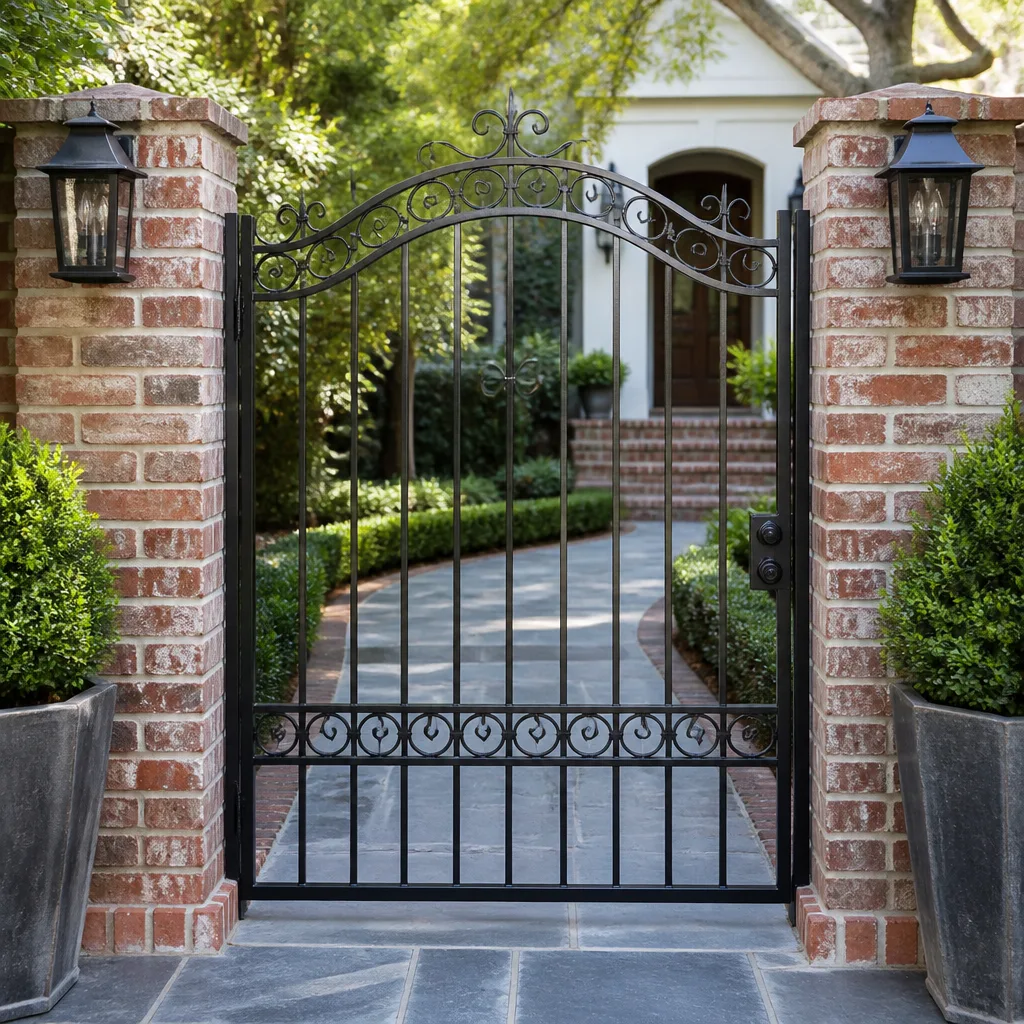
 Wrought iron
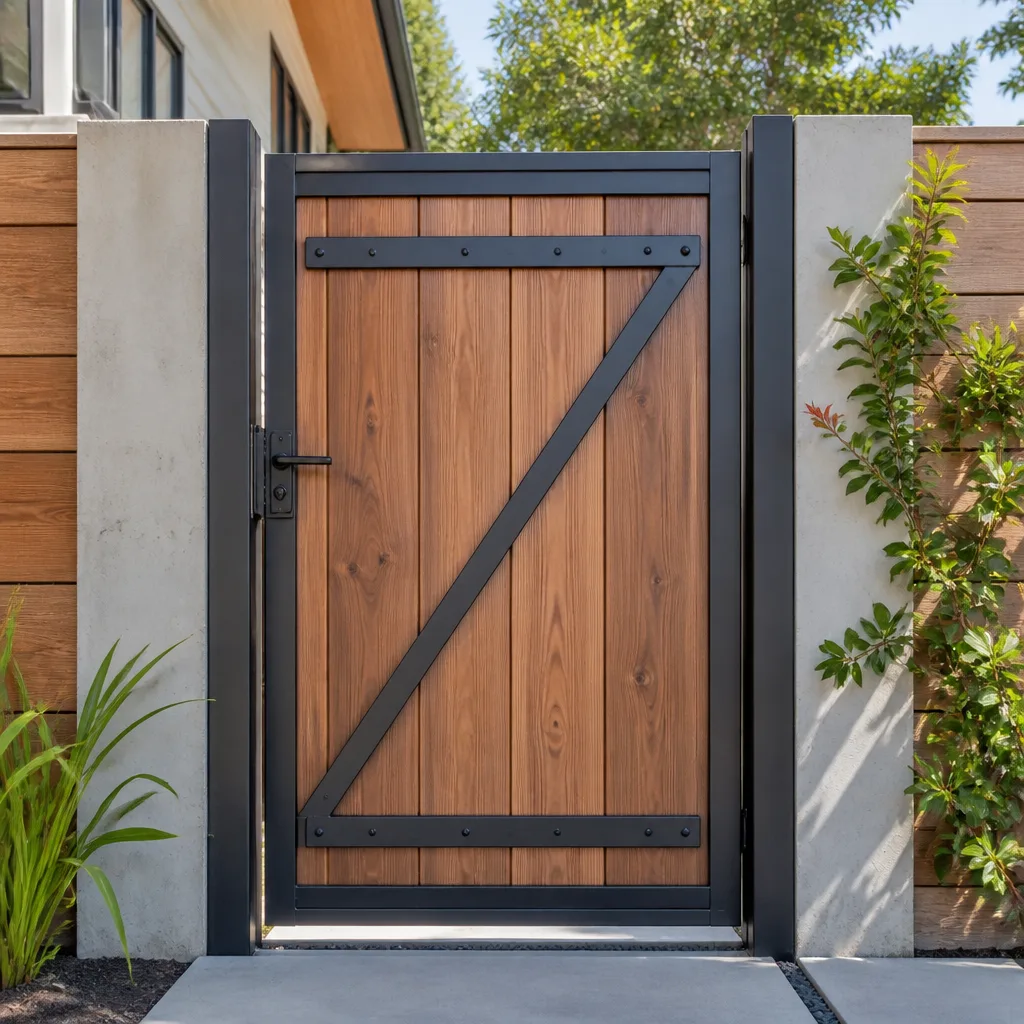 Wood & steel frame
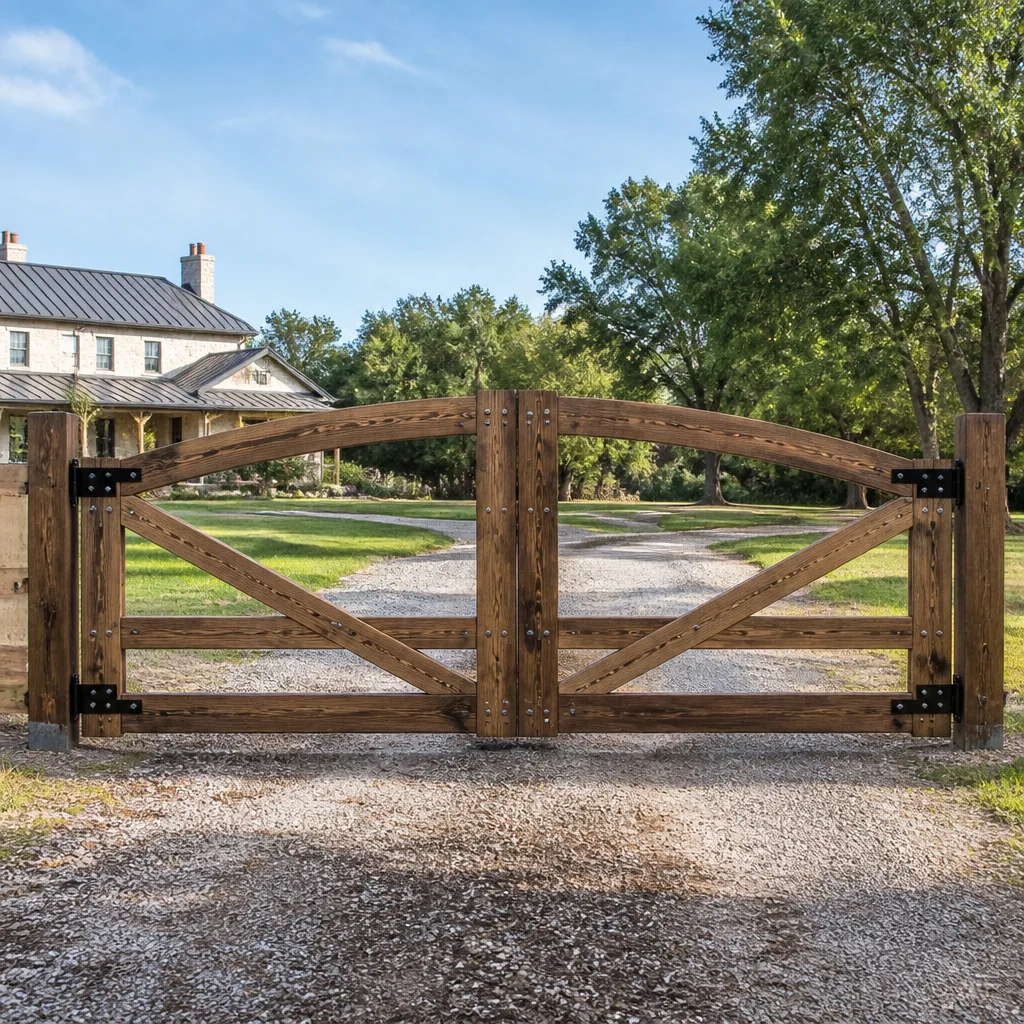 Farm & ranch
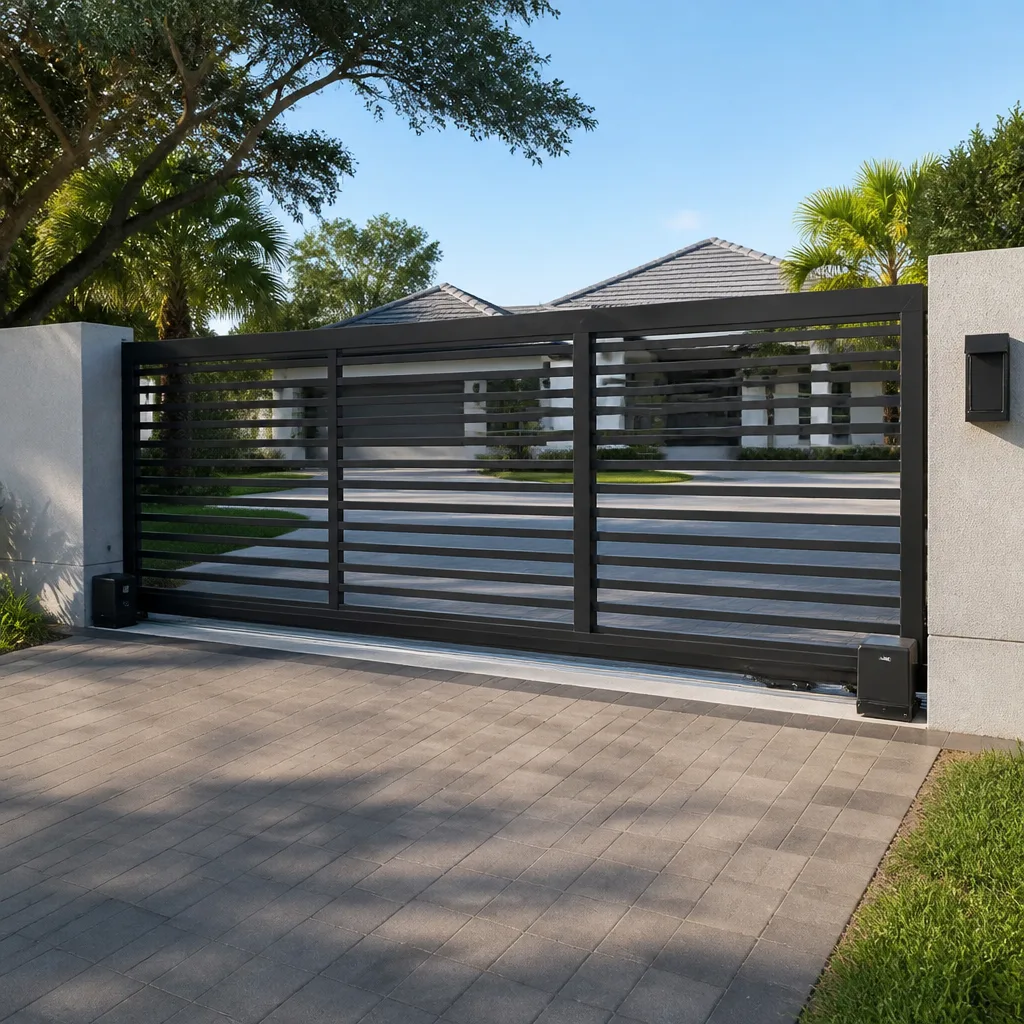 Sliding driveway gates
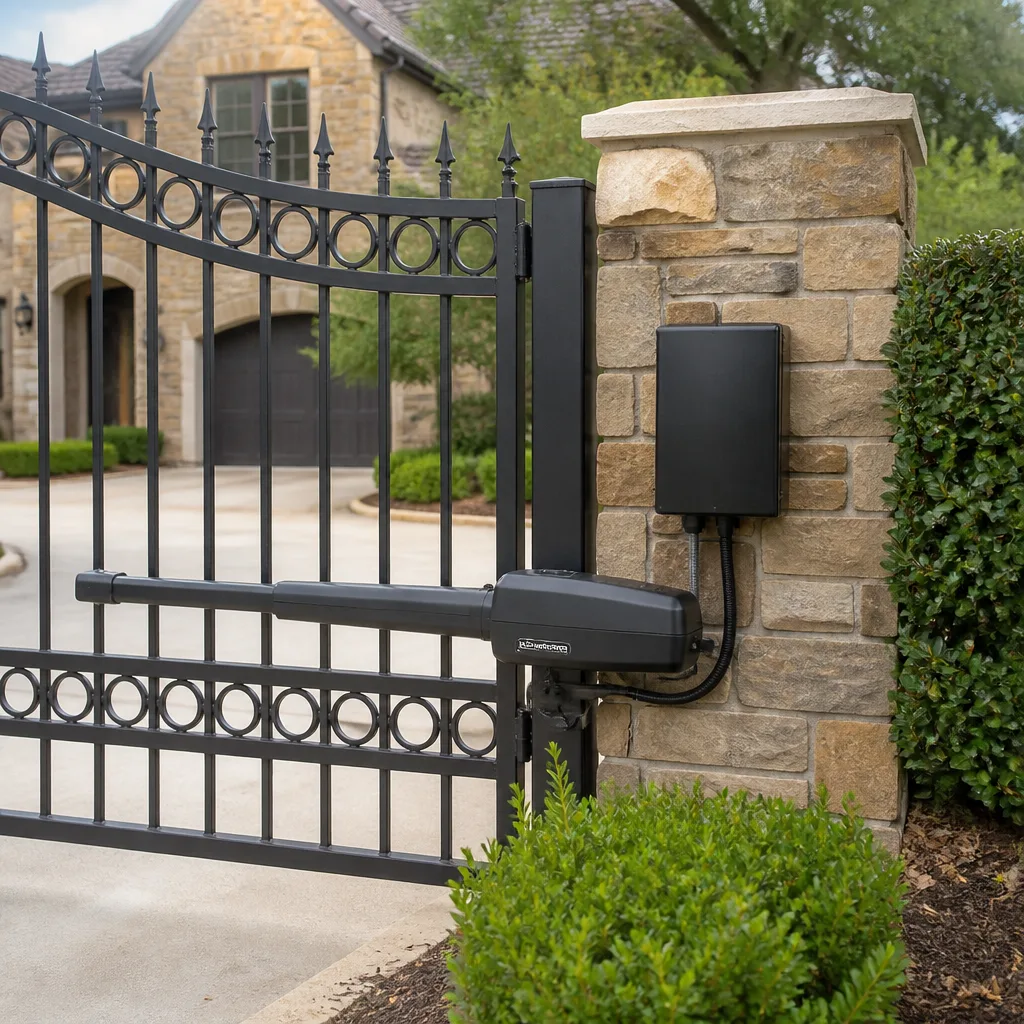 LiftMaster operators
Free on-site gate assessment - hinges, posts, and your LiftMaster or Nice gate operator checked before anything is quoted
The assessment is free and the quote is the invoice.
Get your free estimateWhy San Jose Homeowners Choose Ghost Controls Gate Repair
Ghost Controls repair in San Jose is what our crew handles weekly, from the classic TSS1 swing-arm opener on a detached Willow Glen shop gate to newer MY2Q smart systems mounted on setback walls. We’re an independent Ghost Controls service provider, not a factory-authorized dealer, which means we fix what’s actually broken instead of steering you toward a full system replacement. Most Ghost Controls failures we see come down to three things: water in the control board, worn pivot bushings in the actuator arm, or pinched low-voltage cable under a paver driveway. We diagnose it, quote a written price, and stand behind the repair for 365 days. Call (669) 800-5686 and a live person answers.
Why Trust Portcullis Gate Repair San Jose for Your Ghost Controls Gate Repair?
Dean Prescott, our owner and lead technician, cut his teeth on industrial electrical systems at Los Angeles Trade-Technical College before spending years working through every gate operator style the trade throws at you. That background matters when a Ghost Controls board has a dead relay or a limit switch drifts out of calibration. We’re a Kingswell company, bound to the same written standard on every job: price before work, real arrival window, clean job site, written guarantee. The 365-Day Done Right Promise means if the repair fails inside a year, we come back and make it right at no charge. That’s not a franchise slogan. It’s stamped on the invoice.
Our San Jose techs work on Ghost Controls systems often enough to know the quirks. The TSS1 arm wobble that starts as a faint rattle and ends as an incomplete close. The TDS2 that beeps and reverses because the force sensitivity drifted after a winter storm. The MY2Q that forgets its Wi-Fi credentials because the router moved across the house. We don’t guess. We pull the cover, test the board, check amp draw on the motor, and tell you the honest range before we touch a single bolt.
Styles & brands we work with
Common Ghost Controls Gate Repair Problems We Fix in San Jose
- TSS1 arm wobble and incomplete closure. The classic Ghost Controls TSS1 uses a motorized arm with pivot bushings at both ends. After a few San Jose summers of dry heat and winter moisture, those bushings wear egg-shaped. The arm develops play, the gate stops a few inches short of the latch, and the opener beeps an obstruction error that isn’t there. We replace the pivot bushings and recalibrate the travel limits, which usually beats replacing the whole arm assembly.
- Water intrusion in the control board after winter storms. San Jose’s wet winters hit Ghost Controls boards hard, especially on openers mounted low on a post or near a downspout. The factory enclosure is decent, but the gasket dries and shrinks over five or six years. Water creeps in, corrodes the relay contacts, and the board starts throwing random error codes. We swap in an OEM board when it’s salvageable, and we recommend a sealed aftermarket enclosure or a raised mount when the location itself is the problem.
- Ghost Controls remotes unlearning codes after power surges. PG&E outages and the surges that accompany them are rough on Ghost Controls receiver boards. The remote that worked yesterday suddenly does nothing. The fix is often a re-sync, but if the surge took out the receiver’s memory module, the board needs replacing. We test first, program second, and only recommend a part when the old one is genuinely dead.
- Pinched or rotted low-voltage cable runs under paver driveways. San Jose homeowners love paver driveways. Pavers shift, roots grow, and the low-voltage cable that runs from the Ghost Controls board to the actuator gets pinched or nicked. The symptom is intermittent operation: the gate works on Tuesday, dead on Wednesday, fine again Friday. We trace the run, find the break, and splice in marine-grade cable that holds up better underground than the OEM wire.
- MY2Q smart module losing Wi-Fi connection. The Ghost Controls MY2Q adds app control to a compatible opener, but it’s picky about signal strength. A router on the far side of a stucco house, a metal gate that blocks the path, or interference from a neighbor’s smart home gear can knock it offline. We reposition the antenna, add a repeater if needed, and test the connection with the same phone the homeowner actually uses. No point programming it on a tech phone and calling it done.
Ghost Controls Parts & Our Repair-vs-Replace Approach
We use OEM Ghost Controls boards, arm assemblies, and remotes when compatibility is at stake. A knockoff board might fit, but Ghost Controls openers are picky about voltage tolerances, and we’ve seen aftermarket boards that worked for three weeks and then fried. Where OEM fails early, we switch to better aftermarket parts. The sealed transformers and marine-grade wire we stock for underground runs are built for San Jose’s moist winter soil and last longer than the factory equivalents. The honest answer on repair versus replace: when the gearbox is scored or the motor pulls high amperage at no-load, we recommend a new actuator. Chasing a dying motor with a new board costs more than a single clean swap. We’ll show you the amp reading and explain what it means before you spend a dollar.
Our Ghost Controls Service Process – Step by Step
- 1
Diagnosis. We pull the cover, check the board for corrosion, test the motor’s amp draw, and verify the limit switches. On a TSS1, that means removing the arm housing. On an MY2Q, it means checking the Wi-Fi signal strength and the module’s status light. We tell you what we found in plain language.
- 2
Written price. Before any repair begins, you get the number in writing. Not a range after disassembly. A fixed price for the parts and labor we’re proposing. If we open something up and find a second problem, we stop and show you before adding a dime.
- 3
Repair and calibration. We install the OEM or better-aftermarket part, then recalibrate the open and close travel, force sensitivity, and auto-close timing to Ghost Controls spec. Every opener gets cycled a minimum of ten full opens and closes.
- 4
Test and warranty. We hand you the remote, watch you open and close the gate yourself, and then write the 365-Day Done Right Promise on the invoice. If it fails inside that year, we return and correct it at no charge. Free return visit. No fine print.
See the difference
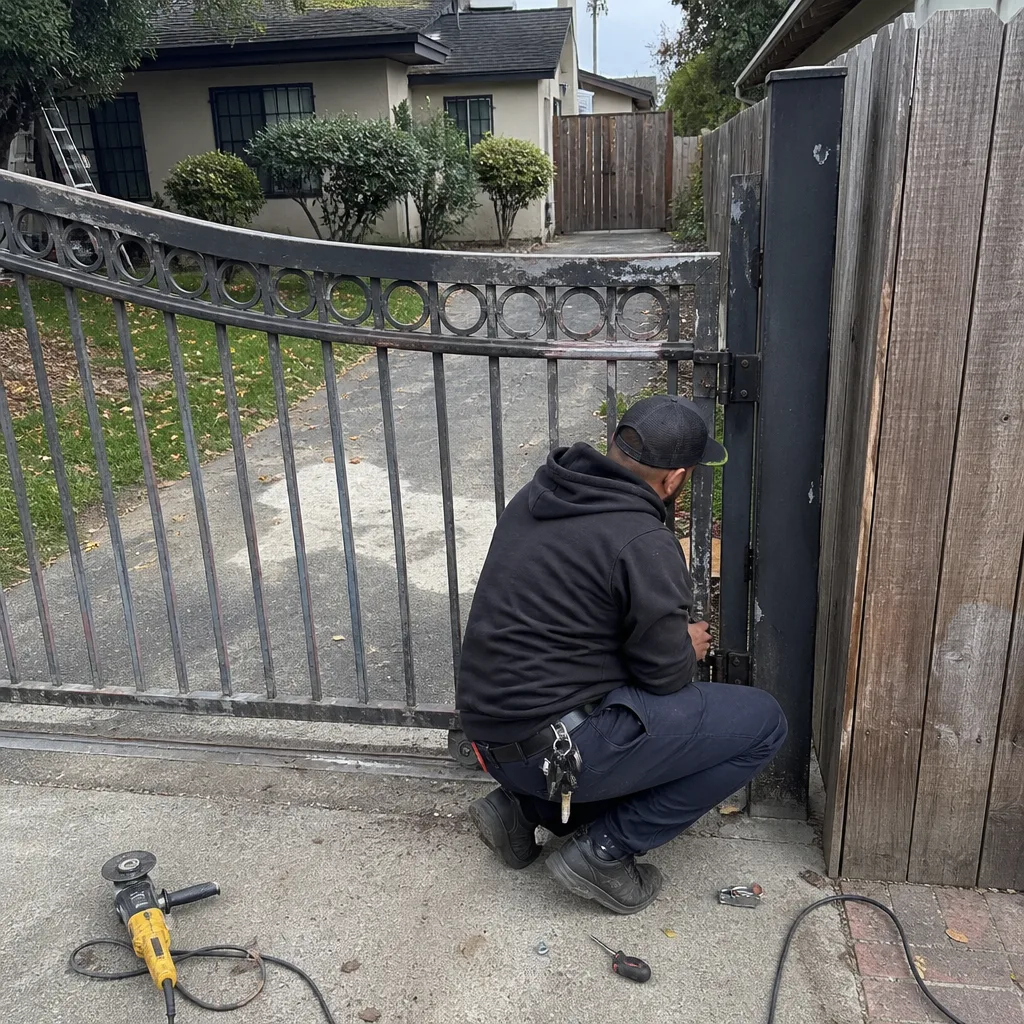 Before
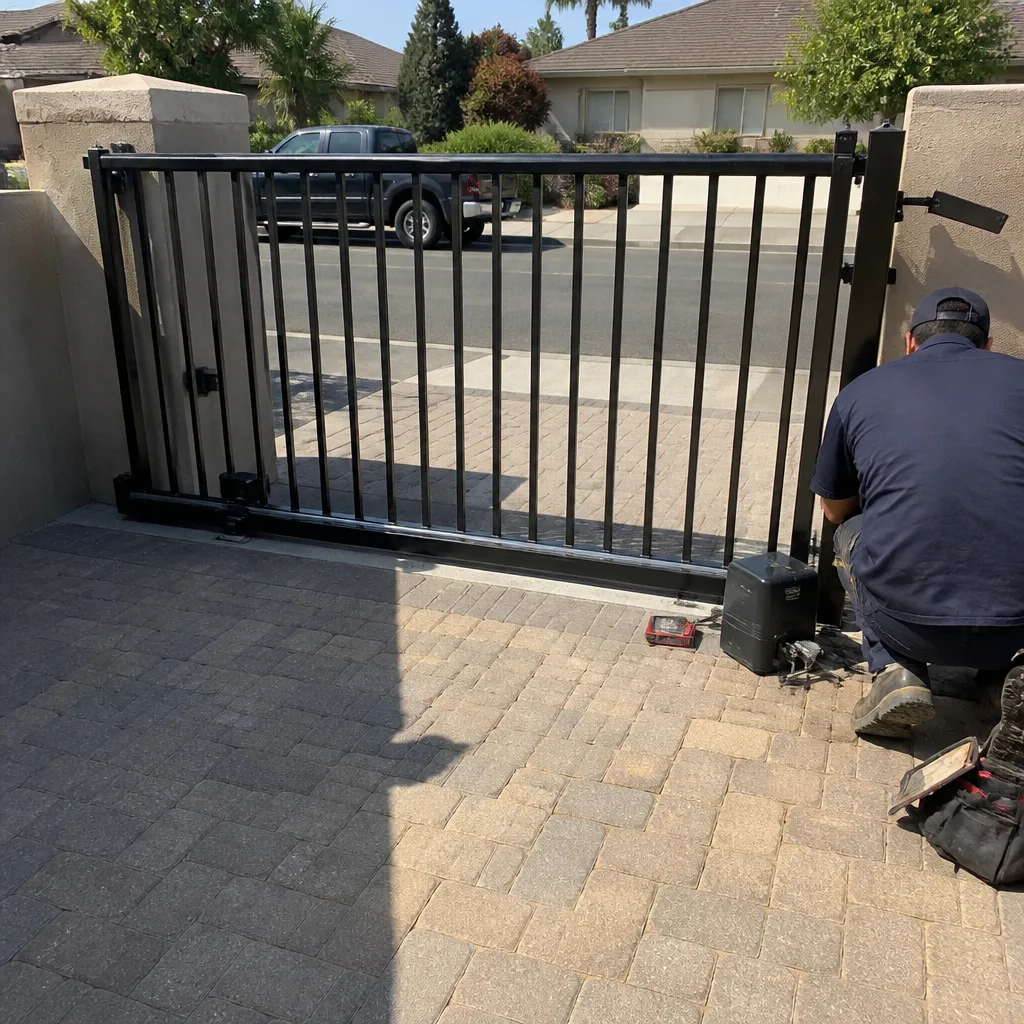 After
After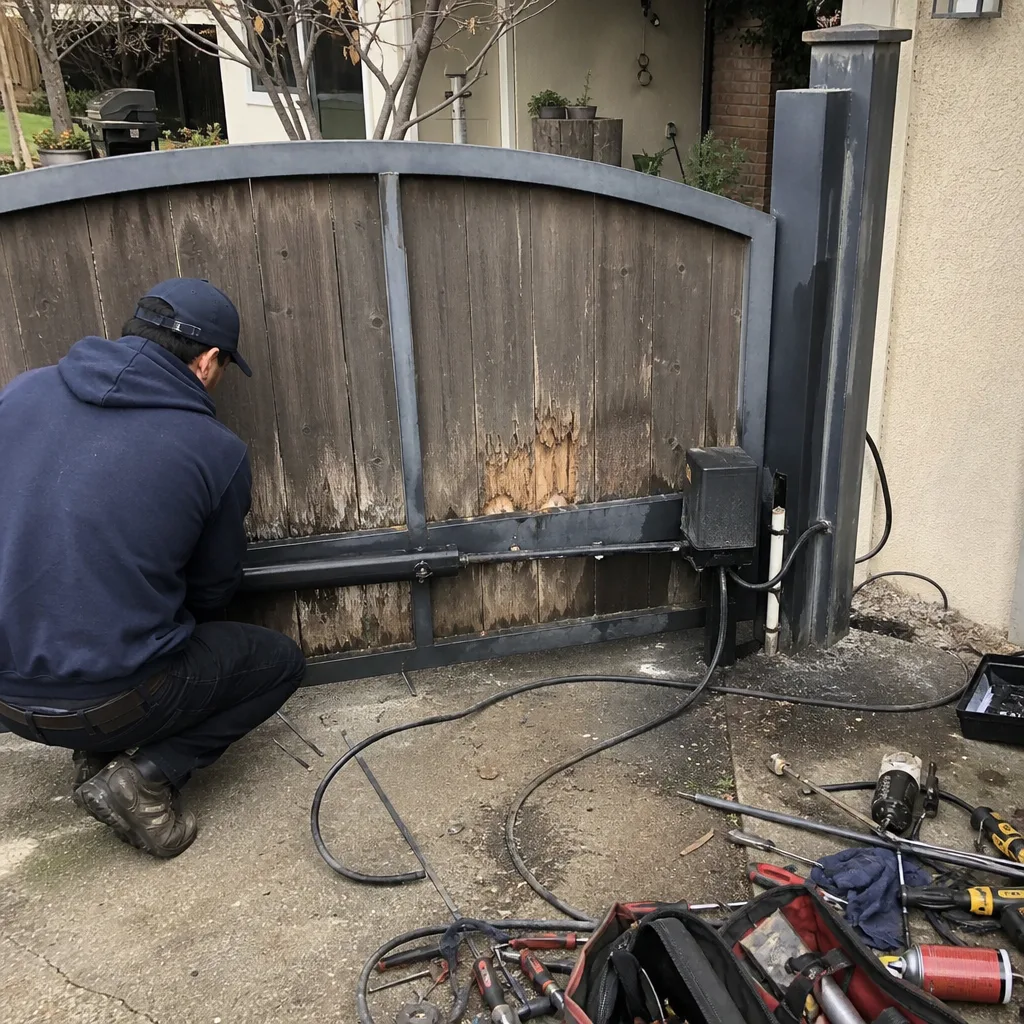 Before
 After
After Before
 After
AfterGhost Controls Products We Service & Install in San Jose
Our San Jose crew services and installs the full Ghost Controls lineup we actually see in the field. The TSS1 Automatic Gate Opener, a single swing-arm workhorse common on detached shops and side-yard gates. The TDS2 Standard Series, used on longer and heavier single gates where the extra torque matters. The MY2Q Smart Gate Opener for app control and Wi-Fi monitoring. And the AXDP Dual Gate Opener for paired gates on wider driveways. We stock common OEM parts locally for the TSS1 and TDS2, which keeps most repairs to a single visit. Less common parts ship in a few days, and we tell you the timeline before we order.
We Also Service These Brands
Ghost Controls is a regular part of our week, but it’s not the only brand our San Jose techs know for Gate Repair. We carry service experience across LiftMaster, Mighty Mule, and DoorKing systems, which means we can handle mixed-brand properties and advise you honestly when a different opener would serve your gate better.
FAQs – Ghost Controls Gate Repair Service in San Jose
No. We’re an independent Ghost Controls service provider, not a factory-authorized dealer. That means we’re free to tell you when a repair is the right call and when a replacement makes more sense, without any manufacturer quota pushing the decision. Our work is backed by our own written 365-Day Done Right Promise, not a factory program.
We use OEM Ghost Controls boards, arm assemblies, and remotes when the system’s compatibility depends on it. For parts where the OEM version has a known weak point, like underground low-voltage wire and transformers, we stock sealed aftermarket options that hold up better in San Jose’s wet winters. We’ll show you the part before we install it and explain why we chose it.
Most Ghost Controls repairs in San Jose finish the same visit. A TSS1 pivot bushing replacement runs about an hour and a half. A control board swap runs under two hours. If we need to order a less common part for a MY2Q or AXDP system, we’ll tell you the shipping timeline before we schedule the appointment, and you’ll have a real arrival window for the return visit.
We service and install the TSS1 Automatic Gate Opener, TDS2 Standard Series Opener, MY2Q Smart Gate Opener, and AXDP Dual Gate Opener. If you have an older or discontinued Ghost Controls model, call (669) 800-5686 and describe what it’s doing. Dean or one of our techs will know whether it’s worth repairing or whether a newer model would serve your gate better.
If your opener is still under the manufacturer’s warranty, work performed by an independent provider can sometimes affect the manufacturer’s coverage, depending on the terms. We use OEM parts and follow Ghost Controls calibration spec precisely, which keeps most repairs within warranty-safe practice. If you’re concerned, we’ll walk you through what the warranty covers before we begin.
Most Ghost Controls repairs in San Jose run between $180 and $520. A pivot bushing replacement on a TSS1 typically lands around $180 to $240. A control board replacement runs $280 to $520 depending on the model. A full actuator swap for a worn-out gearbox runs $420 to $780 parts and labor. We quote the exact price in writing before any work starts, so you’ll know the number before we turn a single bolt. Call (669) 800-5686 for a free estimate.
That beep-and-reverse is the opener’s force-sensitivity circuit reacting to resistance it thinks is an obstacle. On the TSS1, the usual culprit is a worn pivot bushing or a drift in the force adjustment after seasonal temperature swings. Sometimes it’s a low-voltage condition from a corroded wire connection. We diagnose it by testing the motor’s amp draw and the arm’s mechanical play. Call (669) 800-5686 and we’ll figure out which one it is.
It depends on the control board revision. Some older TSS1 boards lack the data port the MY2Q module needs to communicate. If your board has the right connection points, the module can be added and programmed. If it doesn’t, we’ll tell you honestly and price a board replacement if you want the smart features. Bring your gate model and serial number when you call and we can often tell you before we come out.
That’s almost always a programming issue, not a hardware failure. The keypad’s close command is mapped to a different button code than the open command, or the auto-close feature has been disabled on the board. We re-enter the keypad code into the board, verify the button mapping, and test the close function several times before we leave. It’s a quick fix on most Ghost Controls models, and the estimate is free.
Ghost Controls receiver boards use non-volatile memory, so a simple power outage shouldn’t wipe remote codes. When it happens, the board’s memory module is usually degrading, or a surge during the outage damaged the receiver circuit. We test the board’s voltage regulation, re-program the remotes, and if the codes fail again inside a week or two, we replace the board. It’s a known failure pattern on systems that have seen multiple PG&E outages.
No. A grinding noise at startup usually means the gearbox’s first-stage gears are scored or the motor’s start capacitor is failing. On a TSS1 or TDS2 that’s been in service for five-plus years, it’s often the beginning of the end for the actuator. We can measure the motor’s amperage draw and listen to the gearbox to tell you whether it’s repairable or whether a new actuator is the cheaper path over the next year. Call (669) 800-5686 and we’ll give you the honest read.
A few weeks back our tech arrived at a home near Alum Rock Park where a TSS1 opener on a 16-foot tube gate would start and then slam reversed. The arm’s internal limit switches had oxidized contacts, so the opener lost its end-of-travel reading. We pulled the motor head, replaced the limit assembly with an OEM part, recalibrated the open and close boundaries, and the gate has cycled clean for three months. That’s the kind of fix that separates a Ghost Controls specialist from a general handyman with a multimeter.
Book Your Ghost Controls Service in San Jose, CA
If your Ghost Controls opener is acting up anywhere in San Jose, call (669) 800-5686. A live person answers 24/7, we’ll schedule a real arrival window, and you’ll get a written price before any work starts. The 365-Day Done Right Promise backs every repair. Free estimates.
Written by Dean Prescott, Owner at Portcullis Gate Repair San Jose, serving San Jose since 2008.